avatar✒️Michael Puleo

Free AI web copilot to create summaries, insights and extended knowledge, download it at here

22895

Abstract

le of birth and rebirth?</h2><ul><li><a href="#9df2">Upholding the practice of non-violence, truth, and asceticism as key virtues. The soul’s purification from karmic influences is a personal responsibility, not reliant on the divine →</a></li><li><a href="#0af5">There are a variety of paths, which may include devotion, moral living, meditation, or the pursuit of knowledge. Divine reality plays a critical role in achieving liberation →</a></li></ul><figure id="e01f"><img src="https://cdn-images-1.readmedium.com/v2/resize:fit:800/1*HBY7alM0NFb9gl8PPyWPKA.png"><figcaption></figcaption></figure><h2 id="8dda"></h2><h1 id="b644">→ Your Journey Continues.</h1><figure id="4ff6"><img src="https://cdn-images-1.readmedium.com/v2/resize:fit:800/1*D7fbAw9T7rgRlm64KwcEXg.png"><figcaption>Picture by author. Images from <a href="http://canva.com">Canva</a></figcaption></figure><p id="38d4">In the 7th century AD, a pivotal figure named Muhammad emerged in the Arabian Peninsula. Born in Mecca, he received a series of revelations from what he believed to be the one true God, Allah. These revelations were compiled into the holy book of Islam, the Quran.</p><p id="4dec">Muhammad’s teachings emphasized monotheism, social justice, compassion, and the importance of submitting to the will of God. He called for the worship of the one true God, denounced idolatry and the prevailing polytheistic beliefs of the time, and advocated for ethical conduct and moral responsibility.</p><p id="3af1">According to Islamic belief, Muhammad is considered the final and most significant messenger of God, following in the footsteps of earlier prophets such as Abraham, Moses, and Jesus. Muslims regard Muhammad as the seal of the prophets, tasked with delivering the final divine message and guiding humanity toward righteousness and submission to God’s will.</p><h2 id="31a9">8a. Muhammed was…</h2><ul><li><a href="#7b40">A messenger of God →</a></li><li><a href="#ca64">Just a man →</a></li></ul><figure id="ef88"><img src="https://cdn-images-1.readmedium.com/v2/resize:fit:800/1*HBY7alM0NFb9gl8PPyWPKA.png"><figcaption></figcaption></figure><h2 id="1741"></h2><h1 id="cc4e">→ Your Journey Continues. You accept Jesus Christ as your savior. You Honor God both through scripture and sacred tradition.</h1><figure id="a753"><img src="https://cdn-images-1.readmedium.com/v2/resize:fit:800/1*1n7AxojGSpq5OBVuvp9mGg.png"><figcaption>Picture by author. Images from <a href="http://canva.com">Canva</a></figcaption></figure><h2 id="f848">9a. How Should the Authority of the Church be Approached?</h2><ul><li><a href="#d359">The “real” Church is determined by apostolic succession starting with Saint Peter, who was entrusted by Jesus with the keys to the kingdom of heaven →</a></li><li><a href="#b29c">The “real” Church has focused on preserving apostolic tradition and maintaining the original practices and doctrines of the early Church free from the influence of a centralized authority →</a></li></ul><figure id="f0e6"><img src="https://cdn-images-1.readmedium.com/v2/resize:fit:800/1*HBY7alM0NFb9gl8PPyWPKA.png"><figcaption></figcaption></figure><h1 id="eb31"></h1><h1 id="0e24">~~ Endings ~~</h1><p id="b894"><a href="#ebb2">Ending 1: You Do Not Exist →</a></p><p id="ca10"><a href="#4787">Ending 2: Solipsism -></a></p><p id="0e30"><a href="#1c77">Ending 3: Simulation Theory →</a></p><p id="1cdb"><a href="http://a46c">Ending 4: Sikhism →</a></p><p id="c7cd"><a href="#b5f9">Ending 5: Pantheism / Pandeism →</a></p><p id="22c8"><a href="#21cf">Ending 6: Materialism & Naturalism →</a></p><p id="3f5c"><a href="#eaac">Ending 7: Deism →</a></p><p id="8aa3"><a href="#c54a">Ending 8: Protestantism →</a></p><p id="e2f0"><a href="#db70">Ending 9: Zoroastrianism →</a></p><p id="c6dc"><a href="#e864">Ending 10: Taoism →</a></p><p id="ba04"><a href="#d703">Ending 11: Shintoism →</a></p><p id="751d"><a href="#522a">Ending 12: Greco-Roman Polytheism →</a></p><p id="683f"><a href="#55b0">Ending 13: Egyptian Polytheism →</a></p><p id="cf11"><a href="#64d1">Ending 14: Norse Polytheism →</a></p><p id="6274"><a href="#7b40">Ending 15: Islam →</a></p><p id="7c56"><a href="#ca64">Ending 16: Judaism →</a></p><p id="8c06"><a href="#d359">Ending 17: Catholicism →</a></p><p id="0929"><a href="#b29c">Ending 18: Orthodox Christianity →</a></p><p id="a132"><a href="#937b">Ending 19: Buddhism →</a></p><p id="d83e"><a href="#9df2">Ending 20: Jainism →</a></p><p id="0eac"><a href="#0af5">Ending 21: Hinduism →</a></p><figure id="54b6"><img src="https://cdn-images-1.readmedium.com/v2/resize:fit:800/1*HBY7alM0NFb9gl8PPyWPKA.png"><figcaption></figcaption></figure><h2 id="ebb2"></h2><p id="75eb" type="7">→ Your Journey Concludes.</p><figure id="291f"><img src="https://cdn-images-1.readmedium.com/v2/resize:fit:800/1*oJ4G3JuaarvLqu2djLpD9A.png"><figcaption>Picture by author. Images from <a href="http://canva.com">Canva</a></figcaption></figure><h2 id="b736">Ending 1: Smartass</h2><p id="ac29">You do not exist. You cannot read this ending, and it was written for no one.</p><h2 id="9330">Play Again?</h2><figure id="340a"><img src="https://cdn-images-1.readmedium.com/v2/resize:fit:800/1*HBY7alM0NFb9gl8PPyWPKA.png"><figcaption></figcaption></figure><p id="4787"></p><p id="a196" type="7">→ Your Journey Concludes.</p><figure id="ed92"><img src="https://cdn-images-1.readmedium.com/v2/resize:fit:800/1*A1e-Pa0vJBe1WEC5_t7Rmg.png"><figcaption>Picture by author. Images from <a href="http://canva.com">Canva</a></figcaption></figure><h2 id="6dee">Ending 2: Solipsism</h2><p id="b184">The fundamental belief that resonates most deeply with you is the idea that only one’s own mind is sure to exist. This is the essence of solipsism, a philosophy that only one’s own consciousness, sensations, emotions, and thoughts can be known to exist.</p><p id="83d6">There are a variety of forms of solipsism, including metaphysical solipsism, which is the variety that states that the self is all that exists; and epistemological solipsism, which suggests that we can’t know anything beyond our own experiences.</p><figure id="14ca"><img src="https://cdn-images-1.readmedium.com/v2/resize:fit:800/1*_bgZe3WFEXb64dJDlFvOyA.png"><figcaption>Picture by author.</figcaption></figure><p id="c07e">You are left with the idea that your consciousness is the only verifiable reality and the external world, and other minds cannot be known and might not exist outside of your perception. The beauty and the challenge of this position lie in the philosophical introspection it demands, leaving you with the task to construct your understanding of existence based solely on your individual consciousness.</p><ul><li><a href="https://csli-cec.stanford.edu/assets/flyers/SNS.pdf">How Do I Know I Exist? →</a></li><li><a href="https://en.wikipedia.org/wiki/Boltzmann_brain">The Boltzmann Brain Problem →</a></li></ul><h2 id="f36d">Play Again?</h2><figure id="bb90"><img src="https://cdn-images-1.readmedium.com/v2/resize:fit:800/0*pxOCXpxaMB-qHAZh.png"><figcaption></figcaption></figure><figure id="ba27"><img src="https://cdn-images-1.readmedium.com/v2/resize:fit:800/0*r4BHfHPc9f5ZYLdR.png"><figcaption></figcaption></figure><figure id="864b"><img src="https://cdn-images-1.readmedium.com/v2/resize:fit:800/1*HBY7alM0NFb9gl8PPyWPKA.png"><figcaption></figcaption></figure><p id="1c77"></p><p id="fb12" type="7">→ Your Journey Concludes.</p><h2 id="802c">Ending 3: Simulation Theory</h2><figure id="c363"><img src="https://cdn-images-1.readmedium.com/v2/resize:fit:800/1*gdIgsB4W30Ps9fvMdYmEZw.gif"><figcaption>Picture by author. Images from <a href="http://canva.com">Canva</a></figcaption></figure><p id="4b5a">Simulation Theory posits that reality, as we understand and perceive it, is not an objective existence but rather a sophisticated simulation, akin to a virtual reality. The creators of this simulation could be humans of the future or an advanced extraterrestrial civilization, depending on the interpretation of the theory.</p><p id="7fda">From here, you are faced with the task of navigating existence with the understanding that your surroundings, your experiences, and perhaps even your own consciousness, are products of an incredibly complex, yet ultimately artificial, construct. Your reality, then, becomes a question of code, computations, and carefully crafted virtual environments. The challenge now is determining what, if any, deeper meaning or purpose lies behind the simulation and your place within it.</p><ul><li><a href="https://www.nssmag.com/en/lifestyle/31823/elon-musk-simulation">Elon Musk thinks we live in a simulation →</a></li><li><a href="https://www.scientificamerican.com/article/do-we-live-in-a-simulation-chances-are-about-50-50/">Do We Live in a Simulation? Chances Are about 50–50 →</a></li></ul><p id="353a">To decide the nature of your simulation or of base reality you can:</p><h2 id="25fc">Play Again?</h2><figure id="0bdb"><img src="https://cdn-images-1.readmedium.com/v2/resize:fit:800/0*pxOCXpxaMB-qHAZh.png"><figcaption></figcaption></figure><figure id="94ba"><img src="https://cdn-images-1.readmedium.com/v2/resize:fit:800/0*r4BHfHPc9f5ZYLdR.png"><figcaption></figcaption></figure><figure id="49c7"><img src="https://cdn-images-1.readmedium.com/v2/resize:fit:800/1*HBY7alM0NFb9gl8PPyWPKA.png"><figcaption></figcaption></figure><h2 id="a46c"></h2><p id="003b" type="7">→ Your Journey Concludes.</p><h2 id="1c88">Ending 4: Sikhism</h2><figure id="676b"><img src="https://cdn-images-1.readmedium.com/v2/resize:fit:800/1*gxMby5Im6rut20WVmBgRlg.png"><figcaption>Picture by author. Images from <a href="http://canva.com">Canva</a></figcaption></figure><p id="53f6">Sikhism, a monotheistic religion that originated in the Punjab region of India in the 15th century, emphasizes the belief in a single, formless God, the ultimate Truth. This God permeates the universe, yet also transcends it. As a Sikh, you perceive God as both immanent and transcendent, fostering a deeply personal relationship with the divine.</p><p id="b5bb">As you embrace Sikhism, you strive to live a truthful life, with a focus on selfless service (Seva) and social justice, while always remembering God in your heart. The divine is present everywhere, in every action you take and in every moment of your existence. Now, your challenge is to align your will with the divine will, living out your faith in every aspect of your daily life.</p><ul><li><a href="https://www.britannica.com/topic/Sikhism">Sikhism | History, Doctrines, Practice, & Literature →</a></li></ul><h2 id="1fb4">Play Again?</h2><figure id="747b"><img src="https://cdn-images-1.readmedium.com/v2/resize:fit:800/0*pxOCXpxaMB-qHAZh.png"><figcaption></figcaption></figure><figure id="b811"><img src="https://cdn-images-1.readmedium.com/v2/resize:fit:800/0*r4BHfHPc9f5ZYLdR.png"><figcaption></figcaption></figure><figure id="f5cf"><img src="https://cdn-images-1.readmedium.com/v2/resize:fit:800/1*HBY7alM0NFb9gl8PPyWPKA.png"><figcaption></figcaption></figure><h2 id="b5f9"></h2><p id="5800" type="7">→ Your Journey Concludes</p><h2 id="0c74">Ending 5: Pantheism / Pandeism</h2><figure id="3c16"><img src="https://cdn-images-1.readmedium.com/v2/resize:fit:800/1*0uFtuUkeKXsdyC_4dl2LxA.png"><figcaption>Picture by author. Images from <a href="http://canva.com">Canva</a></figcaption></figure><p id="84c5">Pantheism posits that divinity is not a personal god, but is instead identical to the universe itself. Everything, from the cosmos at large down to the tiniest organism, forms an interconnected and divine whole. You perceive the universe as sacred, as you consider everything to be part of the divine.</p><p id="42fa">Pandeism combines elements of Deism and Pantheism, proposing that the universe is a manifestation of a creator who became the universe and is no longer a distinct entity.</p><figure id="bcc7"><img src="https://cdn-images-1.readmedium.com/v2/resize:fit:800/1*NylbgdjgwprC4sVsKRGt7Q.png"><figcaption>Picture by author.</figcaption></figure><p id="9db1">In your new understanding of reality, every aspect of the universe becomes a subject of reverence. The divine is not an external entity to worship, but rather the very fabric of existence. You see divinity in all aspects of the cosmos, from the grandeur of galaxies to the intricacy of a single leaf. As such, every moment of your existence becomes a sacred encounter with the divine.</p><ul><li><a href="https://www.britannica.com/topic/pantheism">Pantheism | Definition, Beliefs, History, & Facts</a></li></ul><h2 id="3d45">Play Again?</h2><figure id="8e6a"><img src="https://cdn-images-1.readmedium.com/v2/resize:fit:800/0*pxOCXpxaMB-qHAZh.png"><figcaption></figcaption></figure><figure id="c216"><img src="https://cdn-images-1.readmedium.com/v2/resize:fit:800/0*r4BHfHPc9f5ZYLdR.png"><figcaption></figcaption></figure><figure id="6813"><img src="https://cdn-images-1.readmedium.com/v2/resize:fit:800/1*HBY7alM0NFb9gl8PPyWPKA.png"><figcaption></figcaption></figure><h2 id="21cf"></h2><p id="e762" type="7">→ Your Journey Concludes.</p><h2 id="36e4">Ending 6: Materialism & Naturalism</h2><figure id="2c2c"><img src="https://cdn-images-1.readmedium.com/v2/resize:fit:800/1*9eLwmDUZDigkS7A1CaDL9A.png"><figcaption>Picture by author. Images from <a href="http://canva.com">Canva</a></figcaption></figure><p id="8276">Materialism posits that physical matter is the fundamental substance in nature, and all things, including consciousness and mental phenomena, are result of material interactions. In other words, everything that exists is physical.</p><p id="8965">As a materialist, you perceive the universe as a vast array of physical phenomena, intricately connected by the laws of physics. This perspective gives you an understanding of the world that can be explored and understood through empirical observation and scientific inquiry. You find beauty, complexity, and intrigue in the grand structures of galaxies and the minute workings of atoms alike, knowing that the same basic building blocks compose them all. The challenge now lies in deciphering the complexities of the universe and finding your purpose within the vast cosmic dance of matter and energy.</p><p id="037c">While both Materialism and Naturalism prioritize the natural world and scientific understanding, Naturalism is slightly more flexible in its viewpoint. Unlike Materialism, which definitively asserts that everything, including consciousness, is reducible to matter, Naturalism is open to the possibility of phenomena that may not currently be explainable by our understanding of the physical world. As long as these phenomena can be studied and tested through empirical means, they remain within the scope of Naturalistic inquiry.</p><h2 id="afdd">Play Again?</h2><figure id="cb4d"><img src="https://cdn-images-1.readmedium.com/v2/resize:fit:800/0*pxOCXpxaMB-qHAZh.png"><figcaption></figcaption></figure><figure id="8a76"><img src="https://cdn-images-1.readmedium.com/v2/resize:fit:800/0*r4BHfHPc9f5ZYLdR.png"><figcaption></figcaption></figure><figure id="1228"><img src="https://cdn-images-1.readmedium.com/v2/resize:fit:800/1*HBY7alM0NFb9gl8PPyWPKA.png"><figcaption></figcaption></figure><h2 id="eaac"></h2><p id="03a8" type="7">→ Your Journey Concludes.</p><h2 id="3ad5">Ending 7: Deism</h2><figure id="6a38"><img src="https://cdn-images-1.readmedium.com/v2/resize:fit:800/1*WbJo7u4YCAfbJ2e-9iPJLg.png"><figcaption>Picture by author. Images from <a href="http://canva.com">Canva</a></figcaption></figure><p id="3d2d">Deism posits the existence of a supreme being, a creator who does not intervene in the universe after its creation. This Creator is responsible for the laws of nature and the grand design of the universe but does not interfere with the workings of the world or the lives of individuals.</p><p id="da74">As a Deist, you acknowledge a Creator who can be known through reason and observation of the natural world, rather than through revelation or religious texts. This viewpoint harmonizes belief in a higher power with respect for empirical science and intellectual inquiry. The universe, with its laws, patterns, and intricate designs, is viewed as a testament to the Creator’s ingenuity. Your journey forward is one of constant exploration, seeking to understand the universe as a manifestation of the Creator’s grand design.</p><ul><li><a href="https://www.britannica.com/topic/Deism">Deism | Definition, History, Beliefs, Significance, & Facts →</a></li></ul><h2 id="7c88">Play Again?</h2><figure id="d610"><img src="https://cdn-images-1.readmedium.com/v2/resize:fit:800/0*pxOCXpxaMB-qHAZh.png"><figcaption></figcaption></figure><figure id="65f2"><img src="https://cdn-images-1.readmedium.com/v2/resize:fit:800/0*r4BHfHPc9f5ZYLdR.png"><figcaption></figcaption></figure><figure id="4ff5"><img src="https://cdn-images-1.readmedium.com/v2/resize:fit:800/1*HBY7alM0NFb9gl8PPyWPKA.png"><figcaption></figcaption></figure><h2 id="c54a"></h2><p id="2f86" type="7">→ Your Journey Concludes.</p><h2 id="2276">Ending 8: Protestantism</h2><figure id="61ea"><img src="https://cdn-images-1.readmedium.com/v2/resize:fit:800/1*7pQy783I3VXiFbIfVXaong.png"><figcaption>Picture by author. Images from <a href="http://canva.com">Canva</a></figcaption></figure><p id="bec6">Protestantism arose during the 16th-century Reformation, breaking away from the Catholic Church. It emphasizes the Bible as the ultimate authority (sola scriptura) and salvation through faith alone (sola fide).</p><p id="9318">As a Protestant, your faith is centered around a personal relationship with Jesus Christ, guided by your interpretation of the Bible. You believe in the grace of God as the sole means of salvation, and you strive to live a life of faith that reflects the teachings of Jesus Christ. In this tradition, your journey is one of continuous spiritual growth, seeking to understand God’s will through prayer and the study of scripture. Protestantism is not a single monolithic tradition but a broad family of denominations, each with its unique understandings and practices. The challenge is to find the path within Protestantism that resonates most deeply with your personal beliefs and spiritual needs.</p><ul><li><a href="https://www.britannica.com/topic/Protestantism">Protestantism | Definition, Beliefs, History, & Facts →</a></li></ul><h2 id="ea64">Play Again?</h2><figure id="4ef3"><img src="https://cdn-images-1.readmedium.com/v2/resize:fit:800/0*pxOCXpxaMB-qHAZh.png"><figcaption></figcaption></figure><figure id="88fa"><img src="https://cdn-images-1.readmedium.com/v2/resize:fit:800/0*r4BHfHPc9f5ZYLdR.png"><figcaption></figcaption></figure><figure id="f011"><img src="https://cdn-images-1.readmedium.com/v2/resize:fit:800/1*HBY7alM0NFb9gl8PPyWPKA.png"><figcaption></figcaption></figure><h2 id="db70"></h2><p id="f380" type="7">→ Your Journey Concludes.</p><h2 id="2ec0">Ending 9: Zoroastrianism</h2><figure id="b1f6"><img src="https://cdn-images-1.readmedium.com/v2/resize:fit:800/1*SDaOu9CzqUOfiO9P7ofHCA.png"><figcaption>Picture by author. Images from <a href="http://canva.com">Canva</a></figcaption></figure><p id="c086">Zoroastrianism, a dualistic religion was founded by the prophet Zoroaster (or Zarathustra) in ancient Persia (modern-day Iran). Zoroastrianism posits a world under the watch of a deity, Ahura Mazda, the Wise Lord. Ahura Mazda is the epitome of goodness and is in constant conflict with Angra Mainyu, the destructive spirit. These entities exist in an eternal conflict between good and evil.</p><p id="6fc1">As a follower of Zoroastrianism, you are guided by the threefold path of “Good Thoughts, Good Words, Good Deeds.” You view life as a battleground between good and evil and believe that humans are capable of choosing the side of goodness through their actions. The teachings encourage individual responsibility and righteousness, and your challenge is to live these principles in your daily life. The ultimate goal is to contribute to the triumph of good over evil in the world.</p><ul><li><a href="https://www.bl.uk/sacred-texts/articles/an-introduction-to-zoroastrianism">An introduction to Zoroastrianism →</a></li></ul><h2 id="e669">Play Again?</h2><figure id="1547"><img src="https://cdn-images-1.readmedium.com/v2/resize:fit:800/0*pxOCXpxaMB-qHAZh.png"><figcaption></figcaption></figure><figure id="230a"><img src="https://cdn-images-1.readmedium.com/v2/resize:fit:800/0*r4BHfHPc9f5ZYLdR.png"><figcaption></figcaption></figure><figure id="1a3d"><img src="https://cdn-images-1.readmedium.com/v2/resize:fit:800/1*HBY7alM0NFb9gl8PPyWPKA.png"><figcaption></figcaption></figure><h2 id="e864"></h2><p id="d871" type="7">→ Your Journey Concludes.</p><h2 id="d97c">Ending 10: Taoism</h2><figure id="c10e"><img src="https://cdn-images-1.readmedium.com/v2/resize:fit:800/1*2fePJ6RUU8anTHRknye8bw.png"><figcaption>Picture by author. Images from <a href="http://canva.com">Canva</a></figcaption></figure><p id="b791">Taoism, originating in ancient China, is both a philosophical and religious tradition that emphasizes living in harmony with the Tao, often translated as ‘the Way’. The Tao is the natural order of the universe, an inherent flow that guides all existence.</p><p id="acc7">As a follower of Taoism, you seek to align yourself with the Tao, appreciating the natural world and its cycles. The focus lies on achieving balance in all aspects of life, with the complementary forces of Yin and Yang serving as key concepts in understanding the world. Taoism values simplicity, humility, and compassion.</p><p id="fe60">The challenge now is to let go of striving and to live spontaneously in response to the ebb and flow of the natural world. Taoism suggests that by doing so, you will find peace and harmony within the rhythm of the cosmos, embodying the wisdom of ‘wu wei’, or ‘effortless action’. This journey is one of profound introspection, harmonious living, and a deep appreciation for the natural world.</p><ul><li><a href="https://www.britannica.com/topic/Daoism">Daoism | Definition, Origin, Philosophy, Beliefs, & Facts →</a></li></ul><h2 id="49c5">Play Again?</h2><figure id="c5eb"><img src="https://cdn-images-1.readmedium.com/v2/resize:fit:800/0*pxOCXpxaMB-qHAZh.png"><figcaption></figcaption></figure><figure id="57bb"><img src="https://cdn-images-1.readmedium.com/v2/resize:fit:800/0*r4BHfHPc9f5ZYLdR.png"><figcaption></figcaption></figure><figure id="5289"><img src="https://cdn-images-1.readmedium.com/v2/resize:fit:800/1*HBY7alM0NFb9gl8PPyWPKA.png"><figcaption></figcaption></figure><h2 id="d703"></h2><p id="3dd9" type="7">→ Your Journey Concludes.</p><h2 id="fb79">Ending 11: Shintoism</h2><figure id="9d0b"><img src="https://cdn-images-1.readmedium.com/v2/resize:fit:800/1*O_vEubbLjg_XTMVq2UGW6A.png"><figcaption>Picture by author. Images from <a href="http://canva.com">C

Options

anva</a></figcaption></figure><p id="d0c2">Shinto, or “the way of the gods,” is the indigenous faith of Japan. It emphasizes harmony with nature and virtues such as sincerity, cleanliness, and reverence for the kami. The kami are sacred spirits, gods, or ancestors that exist in the natural world, embodying elements of life and the universe.</p><p id="faad">As a follower of Shinto, you experience a spiritual connection to the natural world and respect the kami that dwell within it. These kami can be found in all things, from rocks and trees to rivers and mountains. Ritual purification, offerings, and prayers are integral parts of Shinto worship, aiming to maintain harmony and balance with the spirits.</p><p id="b5a9">Your journey now is one of attuning yourself to the sacred in everyday life, recognizing the kami in the world around you, and living in a way that respects and harmonizes with the natural world. You’ll find beauty in simplicity and gain an appreciation for the transient nature of life through the concepts such as “Mono no Aware,” the empathy towards things, or the awareness of impermanence.</p><ul><li><a href="https://www.britannica.com/topic/Shinto">Shinto | Beliefs, Gods, Origins, Symbols, Rituals, & Facts →</a></li></ul><h2 id="5d78">Play Again?</h2><figure id="a878"><img src="https://cdn-images-1.readmedium.com/v2/resize:fit:800/0*pxOCXpxaMB-qHAZh.png"><figcaption></figcaption></figure><figure id="d8ae"><img src="https://cdn-images-1.readmedium.com/v2/resize:fit:800/0*r4BHfHPc9f5ZYLdR.png"><figcaption></figcaption></figure><figure id="ebf3"><img src="https://cdn-images-1.readmedium.com/v2/resize:fit:800/1*HBY7alM0NFb9gl8PPyWPKA.png"><figcaption></figcaption></figure><h2 id="522a"></h2><p id="c797" type="7">→ Your Journey Concludes.</p><h2 id="1158">Ending 12: Greco-Roman Polytheism</h2><figure id="3e3d"><img src="https://cdn-images-1.readmedium.com/v2/resize:fit:800/1*Ezr6fvmqbS0s7kf2ixuwAw.png"><figcaption>Picture by author. Images from <a href="http://canva.com">Canva</a></figcaption></figure><p id="94a7">Greco-Roman Polytheism refers to the religious traditions of ancient Greece and Rome. The Greeks and Romans worshipped a pantheon of gods and goddesses, each overseeing different aspects of the natural world and human life.</p><p id="6c09">Key figures include:</p><p id="a859"><a href="https://en.wikipedia.org/wiki/Zeus">Zeus/Jupiter, king of the gods</a></p><p id="770c"><a href="https://en.wikipedia.org/wiki/Hera">Hera/Juno, goddess of marriage</a></p><p id="c855"><a href="https://en.wikipedia.org/wiki/Poseidon">Poseidon/Neptune, god of the sea</a></p><p id="b2fa"><a href="https://en.wikipedia.org/wiki/Athena">Athena/Minerva, goddess of wisdom and warfare</a></p><p id="b863">As a follower of Greco-Roman Polytheism, you acknowledge and offer reverence to this diverse pantheon of deities, appreciating the different domains and aspects of life that they represent. You understand that different gods might assist you in different areas of life, and it’s your role to respect them and their domains. Your journey now is one of learning the stories and myths of these deities, understanding their symbolism, and incorporating their teachings into your life. This path offers a rich tapestry of myth, lore, and wisdom, providing a multi-faceted understanding of the world around you.</p><ul><li><a href="https://en.wikipedia.org/wiki/Graeco-Roman_paganism">Graeco-Roman paganism →</a></li></ul><h2 id="d98f">Play Again?</h2><figure id="0d89"><img src="https://cdn-images-1.readmedium.com/v2/resize:fit:800/0*pxOCXpxaMB-qHAZh.png"><figcaption></figcaption></figure><figure id="6b07"><img src="https://cdn-images-1.readmedium.com/v2/resize:fit:800/0*r4BHfHPc9f5ZYLdR.png"><figcaption></figcaption></figure><figure id="f1fa"><img src="https://cdn-images-1.readmedium.com/v2/resize:fit:800/1*HBY7alM0NFb9gl8PPyWPKA.png"><figcaption></figcaption></figure><h2 id="55b0"></h2><p id="3ee2" type="7">→ Your Journey Concludes.</p><h2 id="7961">Ending 13: Egyptian Polytheism</h2><figure id="6104"><img src="https://cdn-images-1.readmedium.com/v2/resize:fit:800/1*zH0jf0qd11iIGw8hjgld8w.png"><figcaption>Picture by author. Images from <a href="http://canva.com">Canva</a></figcaption></figure><p id="dbdb">Egyptian Polytheism refers to the religious beliefs of ancient Egypt, the very foundation of Western civilization and one marked by its reverence for the divine. This faith involves the worship of a complex pantheon of gods and goddesses, each overseeing different aspects of existence, from the natural world to human affairs.</p><p id="2137">Major deities include:</p><p id="6d1f"><a href="https://en.wikipedia.org/wiki/Ra">Ra, the sun god</a></p><p id="3ad4"><a href="https://en.wikipedia.org/wiki/Isis">Isis, the goddess of magic and healing</a></p><p id="aa87"><a href="https://en.wikipedia.org/wiki/Osiris">Osiris, the god of the underworld</a></p><p id="eccb"><a href="https://en.wikipedia.org/wiki/Horus">Horus, the god of the sky</a></p><p id="fd9c">As a follower of Egyptian Polytheism, you recognize and pay tribute to a wide array of deities, each representing different facets of life and the universe. The gods and goddesses of Egypt embody the mysteries of existence, from the cycle of the sun to the journey of the soul after death.</p><p id="f964">Your journey now is one of deep understanding and connection with these ancient deities, exploring their myths, rituals, and symbolism. You begin to see the world through the lens of ancient Egyptian wisdom, recognizing the divine in the natural world and the cycles of life. This path holds a rich tapestry of mythology, ritual, and mystical understanding, providing a profound connection with the spiritual dimensions of existence.</p><ul><li><a href="https://www.historymuseum.ca/cmc/exhibitions/civil/egypt/egcr01e.html#:~:text=Today%2C%20the%20majority%20of%20the,minority%20of%20Jews%20and%20Christians.">Egyptian civilization — Religion — Canadian Museum of History →</a></li></ul><h2 id="037b">Play Again?</h2><figure id="7064"><img src="https://cdn-images-1.readmedium.com/v2/resize:fit:800/0*pxOCXpxaMB-qHAZh.png"><figcaption></figcaption></figure><figure id="4145"><img src="https://cdn-images-1.readmedium.com/v2/resize:fit:800/0*r4BHfHPc9f5ZYLdR.png"><figcaption></figcaption></figure><figure id="776e"><img src="https://cdn-images-1.readmedium.com/v2/resize:fit:800/1*HBY7alM0NFb9gl8PPyWPKA.png"><figcaption></figcaption></figure><h2 id="64d1"></h2><p id="217d" type="7">→ Your Journey Concludes.</p><h2 id="4579">Ending 14: Norse Polytheism</h2><figure id="2e64"><img src="https://cdn-images-1.readmedium.com/v2/resize:fit:800/1*s6ONAW1z0hOUZ2_nG5lqNA.png"><figcaption>Picture by author. Images from <a href="http://canva.com">Canva</a></figcaption></figure><p id="ace2">Norse religion is a polytheistic tradition that was practiced by the Scandinavian peoples during the Viking Age. It is centered on a pantheon of gods and goddesses, including:</p><p id="c094"><a href="https://en.wikipedia.org/wiki/Odin">Odin, the allfather</a></p><p id="7f9d"><a href="https://en.wikipedia.org/wiki/Thor">Thor, the god of thunder</a></p><p id="6f2d"><a href="https://en.wikipedia.org/wiki/Freyja">Freyja, the goddess of love and fertility</a></p><p id="d827">These deities, along with a myriad of other gods, goddesses, and spirits, encompass different aspects of life, death, and the natural world.</p><p id="0a32">As a follower of the Norse religion, you recognize and pay respect to a diverse pantheon of gods and goddesses. Each deity in this tradition symbolizes different aspects of life, and it’s your role to honor them and their spheres of influence. Your journey now is one of connection to these ancient gods, understanding their stories and symbolism, and integrating their wisdom into your life.</p><p id="f272">Norse religion also emphasizes the value of courage, honor, self-reliance, and loyalty to one’s community. You recognize the importance of these values and strive to embody them in your actions. By honoring the Norse gods and living according to their virtues, you become a part of the ongoing story of Norse tradition. Those who draw the favor of the allfather and die an honorable death on the battlefield you may be granted passaged to Valhalla, where they will feast in wait for the final battle: Ragnarök.</p><ul><li><a href="https://www-worldhistory-org.webpkgcache.com/doc/-/s/www.worldhistory.org/Norse_Mythology/">Norse Mythology →</a></li></ul><h2 id="932e">Play Again?</h2><figure id="0438"><img src="https://cdn-images-1.readmedium.com/v2/resize:fit:800/0*pxOCXpxaMB-qHAZh.png"><figcaption></figcaption></figure><figure id="d2c5"><img src="https://cdn-images-1.readmedium.com/v2/resize:fit:800/0*r4BHfHPc9f5ZYLdR.png"><figcaption></figcaption></figure><figure id="f002"><img src="https://cdn-images-1.readmedium.com/v2/resize:fit:800/1*HBY7alM0NFb9gl8PPyWPKA.png"><figcaption></figcaption></figure><h2 id="7b40"></h2><p id="8af5" type="7">→ Your Journey Concludes.</p><h2 id="e384">Ending 15: Islam</h2><figure id="2beb"><img src="https://cdn-images-1.readmedium.com/v2/resize:fit:800/1*KaXMTQgRVOGuQ1sMnFv5_g.png"><figcaption>Picture by author. Images from <a href="http://canva.com">Canva</a></figcaption></figure><p id="c89a">Islam, a monotheistic religion, was founded in the 7th century AD in the Arabian Peninsula by the Prophet Muhammad, who Muslims believe was the final prophet sent by God. The religion is based on the teachings of the Quran, the holy book of Islam, which Muslims believe to be the word of God as revealed to Muhammad.</p><p id="df5b">As a Muslim, your faith is centered on the Five Pillars of Islam: Shahada (faith), Salat (prayer), Zakat (charity), Sawm (fasting during Ramadan), and Hajj (pilgrimage to Mecca). You believe in Allah as the one true God and Muhammad as his prophet.</p><p id="6660">Your journey now is one of submission to the will of Allah, striving to live a righteous life according to the teachings of the Quran and the Hadiths (the sayings and actions of the Prophet Muhammad). Your faith encourages a life of prayer, charity, and community, as well as personal growth and spiritual purification. This path offers a deep well of spiritual wisdom, ethical guidance, and a strong sense of communal identity and purpose.</p><ul><li><a href="https://www.britannica.com/topic/Islam">Islam | Religion, Beliefs, Practices, & Facts | Britannica →</a></li></ul><h2 id="461c">Play Again?</h2><figure id="a1e3"><img src="https://cdn-images-1.readmedium.com/v2/resize:fit:800/0*pxOCXpxaMB-qHAZh.png"><figcaption></figcaption></figure><figure id="1dd9"><img src="https://cdn-images-1.readmedium.com/v2/resize:fit:800/0*r4BHfHPc9f5ZYLdR.png"><figcaption></figcaption></figure><figure id="903a"><img src="https://cdn-images-1.readmedium.com/v2/resize:fit:800/1*HBY7alM0NFb9gl8PPyWPKA.png"><figcaption></figcaption></figure><h2 id="ca64"></h2><p id="bc03" type="7">→ Your Journey Concludes.</p><h2 id="4727">Ending 16: Judaism</h2><figure id="e805"><img src="https://cdn-images-1.readmedium.com/v2/resize:fit:800/1*JJDmC3zzXmdcY6RhM9Iuow.png"><figcaption>Picture by author. Images from <a href="http://canva.com">Canva</a></figcaption></figure><p id="43c6">Judaism is a monotheistic religion based on the Torah, the first five books of the Hebrew Bible, and encompasses the cultural, social, and religious beliefs and practices of the Jewish people.</p><p id="a2f4">As a follower of Judaism, your faith is rooted in the teachings of the Torah. Jews believe in one God who revealed his laws and commandments to Moses on Mount Sinai. Jewish life is structured around these commandments, or mitzvot, which guide ethical behavior, religious practice, and communal life.</p><p id="a772">Your journey now is one of deepening understanding and observance of these commandments. Judaism encourages a life of prayer, study, and mitzvot, which includes both religious rituals and ethical actions. Through studying the Torah and the Talmud (rabbinical interpretations and commentary on the Torah), you engage in an ongoing conversation with Jewish wisdom and law. This path offers a rich tradition of intellectual inquiry, ethical responsibility, and spiritual depth.</p><ul><li><a href="https://www.britannica.com/topic/Judaism">Judaism | Definition, Origin, History, Beliefs, & Facts →</a></li></ul><h2 id="81b4">Play Again?</h2><figure id="475c"><img src="https://cdn-images-1.readmedium.com/v2/resize:fit:800/0*pxOCXpxaMB-qHAZh.png"><figcaption></figcaption></figure><figure id="fade"><img src="https://cdn-images-1.readmedium.com/v2/resize:fit:800/0*r4BHfHPc9f5ZYLdR.png"><figcaption></figcaption></figure><figure id="3401"><img src="https://cdn-images-1.readmedium.com/v2/resize:fit:800/1*HBY7alM0NFb9gl8PPyWPKA.png"><figcaption></figcaption></figure><h2 id="d359"></h2><p id="ab6d" type="7">→ Your Journey Concludes.</p><h2 id="7d7a">Ending 17: Catholicism</h2><figure id="4bdd"><img src="https://cdn-images-1.readmedium.com/v2/resize:fit:800/1*f8sQjSncvaWj6TKQxLm4iw.png"><figcaption>Picture by author. Images from <a href="http://canva.com">Canva</a></figcaption></figure><p id="fe2a">Catholicism is a branch of Christianity, with roots dating back to the time of Jesus Christ and the apostles. It is centered around the Holy Trinity, the belief in one God in three persons: God the Father, Jesus Christ the Son, and the Holy Spirit. The Catholic Church, led by the Pope, serves as the primary spiritual authority for Catholics worldwide.</p><p id="8f64">As a Catholic, you participate in the seven sacraments, which are important religious rites that mark key stages in a person’s spiritual life, such as Baptism, Communion, and Confirmation. Your faith also involves the veneration of saints, prayer (particularly the Rosary), and regular attendance at Mass.</p><p id="57cc">Your journey now is one of deepening your understanding of Catholic tradition and living out your faith through participation in the sacraments and service to others. You also find spiritual guidance in the teachings of the Church, as interpreted through sacred scripture. It is a journey of lifelong learning, faith development, and spiritual growth.</p><ul><li><a href="https://www.britannica.com/topic/Roman-Catholicism">Roman Catholicism | Definition, Beliefs, History, & Facts →</a></li></ul><h2 id="40ae">Play Again?</h2><figure id="3ef5"><img src="https://cdn-images-1.readmedium.com/v2/resize:fit:800/0*pxOCXpxaMB-qHAZh.png"><figcaption></figcaption></figure><figure id="fb17"><img src="https://cdn-images-1.readmedium.com/v2/resize:fit:800/0*r4BHfHPc9f5ZYLdR.png"><figcaption></figcaption></figure><figure id="c81f"><img src="https://cdn-images-1.readmedium.com/v2/resize:fit:800/1*HBY7alM0NFb9gl8PPyWPKA.png"><figcaption></figcaption></figure><h2 id="b29c"></h2><p id="1a43" type="7">→ Your Journey Concludes.</p><h2 id="02cd">Ending 18: Orthodox Christianity</h2><figure id="7f69"><img src="https://cdn-images-1.readmedium.com/v2/resize:fit:800/1*KBFQHx4a9mrVtr0p_4vwNQ.png"><figcaption>Picture by author. Images from <a href="http://canva.com">Canva</a></figcaption></figure><p id="fcae">Orthodox Christianity maintains a strong link to the faith and practices of the early Christian Church. The Orthodox Church is known for its rich liturgical life and the centrality of the Holy Trinity and the Incarnation of Jesus Christ in its teachings.</p><p id="a2e8">As an Orthodox Christian, you participate in the Holy Mysteries, including Baptism, Communion, Confession, and others. Your faith involves a deep reverence for the Holy Tradition, which encompasses the faith and practices handed down from the Apostles and Church Fathers.</p><p id="2c68">Your journey now is one of growing in the knowledge and practice of the Orthodox faith, participating fully in the life of the Church, and seeking to cultivate the virtues it teaches. The Orthodox faith offers a path of deep spirituality and a journey that invites continual growth in the love and knowledge of God.</p><ul><li><a href="https://www.goarch.org/introduction">What is Orthodox Christianity? →</a></li></ul><h2 id="24c7">Play Again?</h2><figure id="5e0d"><img src="https://cdn-images-1.readmedium.com/v2/resize:fit:800/0*pxOCXpxaMB-qHAZh.png"><figcaption></figcaption></figure><figure id="6a27"><img src="https://cdn-images-1.readmedium.com/v2/resize:fit:800/0*r4BHfHPc9f5ZYLdR.png"><figcaption></figcaption></figure><figure id="9276"><img src="https://cdn-images-1.readmedium.com/v2/resize:fit:800/1*HBY7alM0NFb9gl8PPyWPKA.png"><figcaption></figcaption></figure><h2 id="937b"></h2><p id="ed0b" type="7">→ Your Journey Concludes.</p><h2 id="c2e6">Ending 19: Buddhism</h2><figure id="8d57"><img src="https://cdn-images-1.readmedium.com/v2/resize:fit:800/1*iDOx5NSFrZrGA8tXqUYfrQ.png"><figcaption>Picture by author. Images from <a href="http://canva.com">Canva</a></figcaption></figure><p id="8ce7">Buddhism, a religion that originated in ancient India, is based on the teachings of Siddhartha Gautama, known as the Buddha or “Enlightened One”. Buddhism revolves around the Four Noble Truths, which primarily deal with suffering and the means to eliminate it through the Eightfold Path.</p><figure id="a14d"><img src="https://cdn-images-1.readmedium.com/v2/resize:fit:800/1*V_-yBsYWuuD5DtgZhRKRHA.png"><figcaption><a href="https://commons.wikimedia.org/wiki/File:Dharmachakra,_withprint_%28en%29.svg">Wikimedia Commons</a></figcaption></figure><p id="1587">As a Buddhist, your practice focuses on the Four Noble Truths and the Eightfold Path, which include principles of right understanding, right intention, right speech, right action, right livelihood, right effort, right mindfulness, and right concentration. Buddhism encourages you to seek your own path to enlightenment (nirvana) through self-discipline, moral conduct, and meditation.</p><p id="cf53">Your journey now is one of deepening your understanding and practice of these teachings. The goal is to gain insight into the true nature of reality, overcoming suffering and the cycle of death and rebirth, ultimately achieving nirvana. This path offers a profound exploration of the mind and reality, leading to wisdom, compassion, and inner peace.</p><ul><li><a href="https://spice.fsi.stanford.edu/docs/introduction_to_buddhism">Introduction to Buddhism | — Stanford →</a></li></ul><h2 id="9fef">Play Again?</h2><figure id="94d3"><img src="https://cdn-images-1.readmedium.com/v2/resize:fit:800/0*pxOCXpxaMB-qHAZh.png"><figcaption></figcaption></figure><figure id="8931"><img src="https://cdn-images-1.readmedium.com/v2/resize:fit:800/0*r4BHfHPc9f5ZYLdR.png"><figcaption></figcaption></figure><figure id="5cb4"><img src="https://cdn-images-1.readmedium.com/v2/resize:fit:800/1*HBY7alM0NFb9gl8PPyWPKA.png"><figcaption></figcaption></figure><h2 id="9df2"></h2><p id="a3f1" type="7">→ Your Journey Concludes.</p><h2 id="1053">Ending 20: Jainism</h2><figure id="000c"><img src="https://cdn-images-1.readmedium.com/v2/resize:fit:800/1*irGEsp4SRH-MEY_pT_-MHQ.png"><figcaption>Picture by author. Images from <a href="http://canva.com">Canva</a></figcaption></figure><p id="2489">Jainism is an ancient religion originating in India. It emphasizes a path of non-violence towards all living beings. Its philosophy and practice rely mainly on self-effort to progress the soul on the spiritual ladder to divine consciousness.</p><p id="cb66">As a Jain, you believe in the three guiding principles, also known as the ‘Three Jewels’: right belief, right knowledge, and right conduct. The goal of Jain life is to achieve liberation of the soul, or moksha, through ethical living and ascetic practices.</p><p id="38ee">Your journey now is one of observing the Five Great Vows (Mahavratas): non-violence (Ahimsa), truthfulness (Satya), not stealing (Asteya), chastity (Brahmacharya), and non-attachment (Aparigraha). This path leads to a life of peace, respect, and harmony with all living beings, a practice of meditation and self-discipline, contributing to the spiritual progress and liberation of your soul.</p><p id="c9f1">This path offers an exploration of the interconnectedness of life, ethical living, and spirituality, leading to a deep respect and love for all forms of life.</p><ul><li><a href="https://www.jaina.org/page/JainFundamentals">Fundamentals of Jainism →</a></li></ul><h2 id="9921">Play Again?</h2><figure id="8626"><img src="https://cdn-images-1.readmedium.com/v2/resize:fit:800/0*pxOCXpxaMB-qHAZh.png"><figcaption></figcaption></figure><figure id="3fc2"><img src="https://cdn-images-1.readmedium.com/v2/resize:fit:800/0*r4BHfHPc9f5ZYLdR.png"><figcaption></figcaption></figure><figure id="e830"><img src="https://cdn-images-1.readmedium.com/v2/resize:fit:800/1*HBY7alM0NFb9gl8PPyWPKA.png"><figcaption></figcaption></figure><h2 id="0af5"></h2><p id="14c8" type="7">→ Your Journey Concludes.</p><h2 id="66b5">Ending 21: Hinduism</h2><figure id="bb37"><img src="https://cdn-images-1.readmedium.com/v2/resize:fit:800/1*lFj0wXvcS9vdVSQuGSV9FQ.png"><figcaption>Picture by author. Images from <a href="http://canva.com">Canva</a></figcaption></figure><p id="994c">Hinduism is a complex and diverse religion that originated in the Indian subcontinent. It’s a faith of vast deities, philosophical ideas, and traditions. Key concepts in Hinduism include dharma (duty/ethics), samsara (the cycle of death and rebirth), karma (action and subsequent reaction), and moksha (liberation from samsara).</p><p id="0535">As a follower of Hinduism, your spiritual practice could take many forms depending on your interpretation of the faith. You might follow the path of devotion (Bhakti Yoga), the path of knowledge (Jnana Yoga), the path of selfless action (Karma Yoga), or the path of meditation (Raja Yoga), or a mix of these. Your faith may involve the worship of one or many of the gods and goddesses in the Hindu pantheon.</p><p id="cc61">Your journey now is one of understanding and living out your dharma, striving for moksha, and deepening your spiritual knowledge. This path offers an exploration of a rich tapestry of philosophical insights, spiritual practices, and a vibrant, deeply symbolic mythology.</p><ul><li><a href="https://www.hinduamerican.org/hinduism-basics">Hindu Basics →</a></li><li><a href="https://en.wikipedia.org/wiki/Hindu_deities#Number_of_deities">Hindu Deities →</a></li><li><a href="https://www.hinduismtoday.com/hindu-basics/karma-and-reincarnation/">Karma & Reincarnation →</a></li></ul><h2 id="4416">Play Again?</h2><figure id="e9e1"><img src="https://cdn-images-1.readmedium.com/v2/resize:fit:800/0*pxOCXpxaMB-qHAZh.png"><figcaption></figcaption></figure><figure id="bf20"><img src="https://cdn-images-1.readmedium.com/v2/resize:fit:800/0*r4BHfHPc9f5ZYLdR.png"><figcaption></figcaption></figure></article></body>

Choose Your Own Religion: An Interactive Adventure

Which Worldview Suits You?
Picture by author. Images from Canva

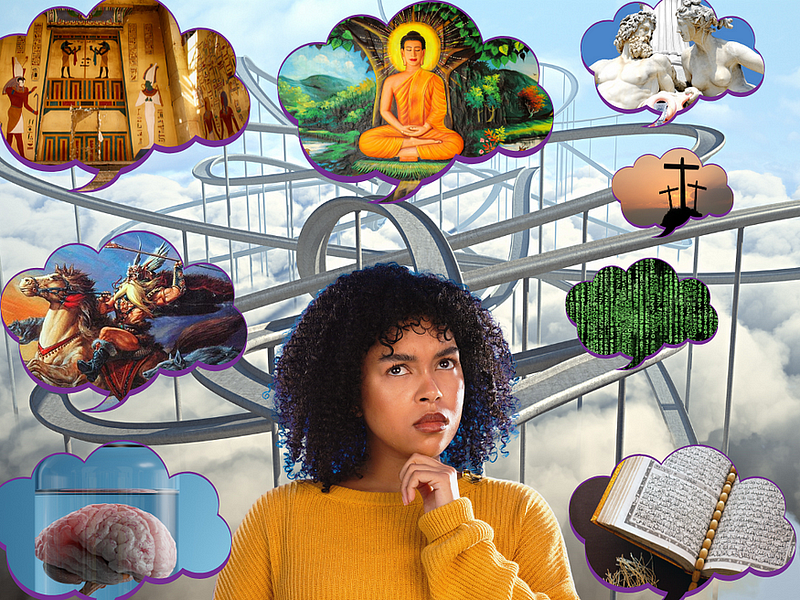
Welcome to Choose Your Own Worldview. You will take an oversimplified journey through the most fundamental questions of philosophy, existence, and religion to arrive at one of 21 unique endings.

Rather than rack your brain for each answer, I suggest you take a lax approach and do several different play-throughs to help understand the reasons behind (and the implications of) your ending.

How to Play:

Answer the questions until you arrive at your ending. To progress, click directly on the underlined answer → of your choice. To return to a previous question use your web browser’s back button or the return button on your smart device.

~~ Begin Your Journey→

— or —

Skip to Branch One →

Skip to Endings →

1. Do You Exist?

→ Your Journey Begins… You Are.

Picture by author. Images from Canva

2. Does Anything Else Exist?

→ Your Journey Continues. You are a being in time and you exist in some reality.
Picture by author. Images from Canva

You now ponder what is next for your journey.

3. Which Inquiry Will Lead You to the Truth?

→ Your Journey Continues.

Picture by author. Images from Canva

4. What is The Nature of Existence? (ie. What is Everything Made of?)

→ Your Journey Continues: You are a dualist.

Picture by author. Images from Canva

Both material and immaterial things exist but why or how does any-thing exist at all?

5. Why is There Something Rather than Nothing?

  1. A supreme being caused existence →
  2. Existence was preceded by a fundamental force or chaos and resulting supernatural beings →
  3. The universe is eternal, infinite, or necessary →

→ Your Journey Continues. Some God Exists.

Picture by author. Images from Canva

God’s existence is known to you. Can anything further be known of this being’s attributes, nature, or desires? Either through discovery or revelation?

6. Can This Being Be Known?

→ Your Journey Continues. You are a theist. You believe in one true personal God.
Picture by author. Images from Canva

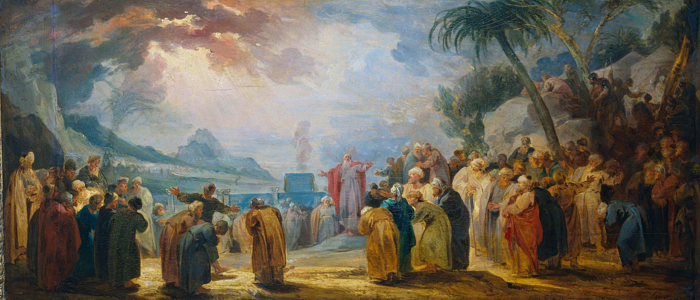
Around 1300 BCE, a monumental event occurred at Mount Sinai. Moses, a humble shepherd and adopted member of the Egyptian royal family, is said to have found himself in the presence of the supreme being. Atop this mountain, Moses heard the voice of the one true God, the same God who had made a covenant with Abraham, the patriarch of the Jewish people.

7. Was the One True God revealed to Moses at Mount Sinai?

→ Your Journey Continues. You accept the Revealed God of Abraham.

Picture by author. Images from Canva

In the 1st century CE, a figure named Jesus of Nazareth emerged in the region of Judea. Jesus was believed to be the fulfillment of the Jewish prophecies and the long-awaited Messiah (savior).

His teachings focused on love, compassion, forgiveness, and the importance of inner transformation. Many people were drawn to Jesus’ message and witnessed his miracles, which included healing the sick, raising the dead, and feeding the masses. As his following grew, he became a controversial figure, challenging the religious and political establishment.

He identified himself as the Son of God and the fulfillment of the Messianic prophecies found in the Hebrew Scriptures. Jesus’ followers believed that he came to save humanity from sin and to reconcile humanity with God.

His death, followed by his resurrection, became the central event in Christian theology, representing victory over sin and death.

8. Who Was Jesus of Nazareth?

→ Your Journey Continues. You Accept Jesus as the Son of God.
Picture by author. Images from Canva

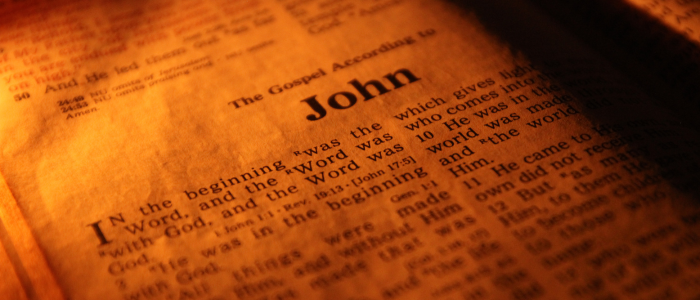
Scripture holds a central place in Christian life and serves as the foundation for beliefs, teachings, and guidance. The Bible, consisting of the Old Testament (Hebrew Scriptures including the Books of Moses) and the New Testament, is regarded as the direct and inspired word of God.

9. How Should Scripture Be Interpreted?

→ Your Journey Continues. You exist in some capacity but are sure only of your own mind.

Picture by author. Images from Canva

2c. What Do You Experience?

→ Your Journey Continues. You are a Monist.

Picture by author. Images from Canva

You believe in one ultimate and fundamental substance of which reality and the self consists. What is the nature of Divinity in relation to this one substance?

2cc. How Do You Perceive the Divine?

→ Your Journey Continues.

3b. How Do You Perceive Divinity?

Picture by author. Images from Canva

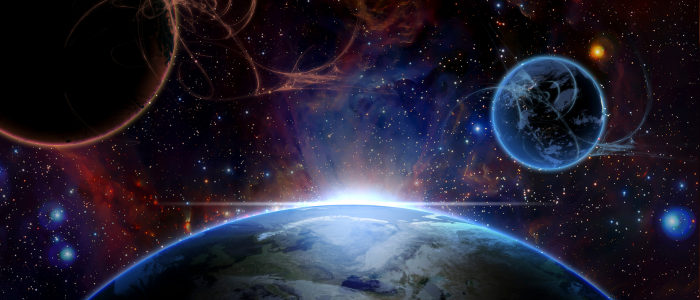
→ You Journey Continues. You believe in an uncreated or otherwise eternal universe with divine implications.
Picture by author. Images from Canva

3bd. What is your Purpose in Relation to Divinity?

→ Your Journey Continues.

Picture by author. Images from Canva

3bdb. How Do You Achieve Liberation?

→ Your Journey Continues.

Picture by author. Images from Canva

3c. After Death I Will…

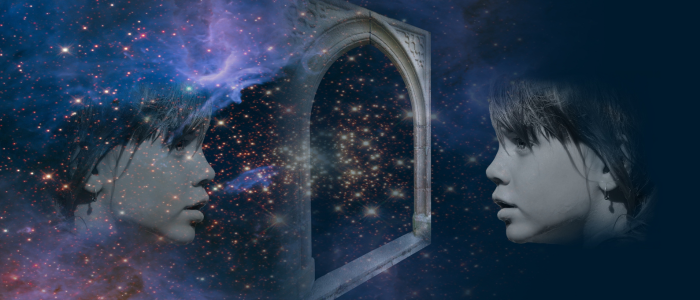
→ Your Journey Continues. You are a dualist. You will persist after your earthly demise.
Picture by author. Images from Canva

3ca. What do you believe determines the quality of your life after death?

→ Your Journey Continues. After death, you will live again renewed.

Picture by author. Images from Canva

3cc. What is the role of god or divine beings in relation to this process of liberation or enlightenment?

→ Your Journey Continues. Some god Exists.

Picture by author. Images from Canva

3cca. What is The Nature of God?

→ Your Journey Continues.

Picture by author. Images from Canva

Throughout history, there will be many prophets, texts, and stories which claim to share revealed knowledge of divine, spiritual, or supernatural beings. Can these gods be known either through revelation or the personal mind?

5b. Are These Beings Revealed?

→ Your Journey Continues. You are a Polytheist.

Picture by author. Images from Canva

You believe in the existence of multiple gods or entities of which you can have knowledge. However, how did these beings (or anything for that matter) come to exist?

5ba. Existence is preceded/caused by…

→ Your Journey Continues. You are a Polytheist.
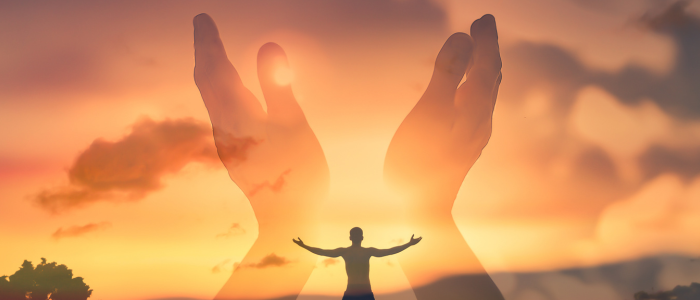
Picture by author. Images from Canva

You believe in a pantheon of gods of which you can have true knowledge. What role do these deities serve in relation to the nature of existence?

5baa. How do you conceive of the fundamental principles governing the universe?

→ Your Journey Continues. You are a Polytheist.
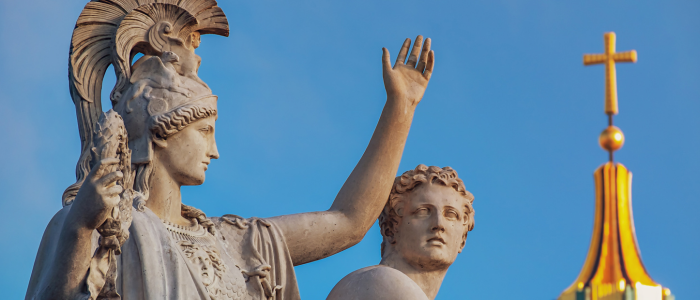
Picture by author. Images from Canva

5babc. How do you perceive the nature and behavior of deities?

→ Your Journey Continues.

Picture by author. Images from Canva

5babcb. How do you view the afterlife and the role of deities in it?

→ Your Journey Continues.

Picture by author. Images from Canva

5c. The Universe…

→ Your Journey Continues.

Picture by author. Images from Canva

5cb. How do you perceive the nature of the self and reality?

→ Your Journey Continues.

Picture by author. Images from Canva

5cba. How do you perceive the path to liberation from the cycle of birth and rebirth?

→ Your Journey Continues.

Picture by author. Images from Canva

In the 7th century AD, a pivotal figure named Muhammad emerged in the Arabian Peninsula. Born in Mecca, he received a series of revelations from what he believed to be the one true God, Allah. These revelations were compiled into the holy book of Islam, the Quran.

Muhammad’s teachings emphasized monotheism, social justice, compassion, and the importance of submitting to the will of God. He called for the worship of the one true God, denounced idolatry and the prevailing polytheistic beliefs of the time, and advocated for ethical conduct and moral responsibility.

According to Islamic belief, Muhammad is considered the final and most significant messenger of God, following in the footsteps of earlier prophets such as Abraham, Moses, and Jesus. Muslims regard Muhammad as the seal of the prophets, tasked with delivering the final divine message and guiding humanity toward righteousness and submission to God’s will.

8a. Muhammed was…

→ Your Journey Continues. You accept Jesus Christ as your savior. You Honor God both through scripture and sacred tradition.
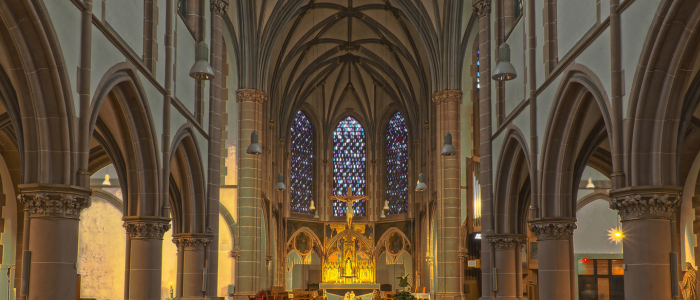
Picture by author. Images from Canva

9a. How Should the Authority of the Church be Approached?

~~ Endings ~~

Ending 1: You Do Not Exist →

Ending 2: Solipsism ->

Ending 3: Simulation Theory →

Ending 4: Sikhism →

Ending 5: Pantheism / Pandeism →

Ending 6: Materialism & Naturalism →

Ending 7: Deism →

Ending 8: Protestantism →

Ending 9: Zoroastrianism →

Ending 10: Taoism →

Ending 11: Shintoism →

Ending 12: Greco-Roman Polytheism →

Ending 13: Egyptian Polytheism →

Ending 14: Norse Polytheism →

Ending 15: Islam →

Ending 16: Judaism →

Ending 17: Catholicism →

Ending 18: Orthodox Christianity →

Ending 19: Buddhism →

Ending 20: Jainism →

Ending 21: Hinduism →

→ Your Journey Concludes.

Picture by author. Images from Canva

Ending 1: Smartass

You do not exist. You cannot read this ending, and it was written for no one.

~Play Again?~

→ Your Journey Concludes.

Picture by author. Images from Canva

Ending 2: Solipsism

The fundamental belief that resonates most deeply with you is the idea that only one’s own mind is sure to exist. This is the essence of solipsism, a philosophy that only one’s own consciousness, sensations, emotions, and thoughts can be known to exist.

There are a variety of forms of solipsism, including metaphysical solipsism, which is the variety that states that the self is all that exists; and epistemological solipsism, which suggests that we can’t know anything beyond our own experiences.
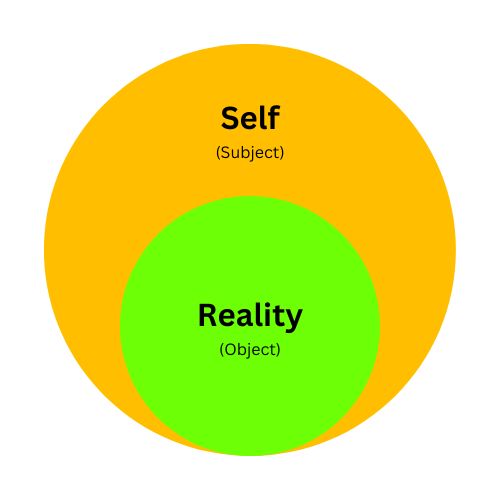
Picture by author.

You are left with the idea that your consciousness is the only verifiable reality and the external world, and other minds cannot be known and might not exist outside of your perception. The beauty and the challenge of this position lie in the philosophical introspection it demands, leaving you with the task to construct your understanding of existence based solely on your individual consciousness.

~Play Again?~

→ Your Journey Concludes.

Ending 3: Simulation Theory

Picture by author. Images from Canva

Simulation Theory posits that reality, as we understand and perceive it, is not an objective existence but rather a sophisticated simulation, akin to a virtual reality. The creators of this simulation could be humans of the future or an advanced extraterrestrial civilization, depending on the interpretation of the theory.

From here, you are faced with the task of navigating existence with the understanding that your surroundings, your experiences, and perhaps even your own consciousness, are products of an incredibly complex, yet ultimately artificial, construct. Your reality, then, becomes a question of code, computations, and carefully crafted virtual environments. The challenge now is determining what, if any, deeper meaning or purpose lies behind the simulation and your place within it.

To decide the nature of your simulation or of base reality you can:

~Play Again?~

→ Your Journey Concludes.

Ending 4: Sikhism

Picture by author. Images from Canva

Sikhism, a monotheistic religion that originated in the Punjab region of India in the 15th century, emphasizes the belief in a single, formless God, the ultimate Truth. This God permeates the universe, yet also transcends it. As a Sikh, you perceive God as both immanent and transcendent, fostering a deeply personal relationship with the divine.

As you embrace Sikhism, you strive to live a truthful life, with a focus on selfless service (Seva) and social justice, while always remembering God in your heart. The divine is present everywhere, in every action you take and in every moment of your existence. Now, your challenge is to align your will with the divine will, living out your faith in every aspect of your daily life.

~Play Again?~

→ Your Journey Concludes

Ending 5: Pantheism / Pandeism

Picture by author. Images from Canva

Pantheism posits that divinity is not a personal god, but is instead identical to the universe itself. Everything, from the cosmos at large down to the tiniest organism, forms an interconnected and divine whole. You perceive the universe as sacred, as you consider everything to be part of the divine.

Pandeism combines elements of Deism and Pantheism, proposing that the universe is a manifestation of a creator who became the universe and is no longer a distinct entity.
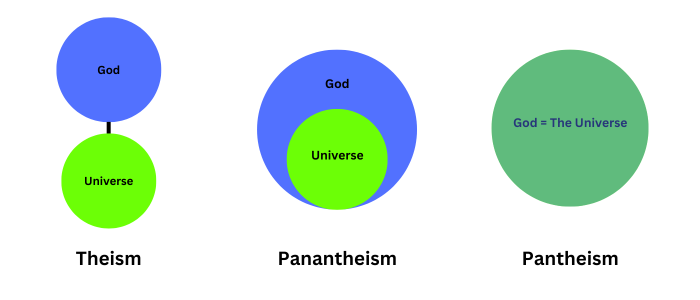
Picture by author.

In your new understanding of reality, every aspect of the universe becomes a subject of reverence. The divine is not an external entity to worship, but rather the very fabric of existence. You see divinity in all aspects of the cosmos, from the grandeur of galaxies to the intricacy of a single leaf. As such, every moment of your existence becomes a sacred encounter with the divine.

~Play Again?~

→ Your Journey Concludes.

Ending 6: Materialism & Naturalism

Picture by author. Images from Canva

Materialism posits that physical matter is the fundamental substance in nature, and all things, including consciousness and mental phenomena, are result of material interactions. In other words, everything that exists is physical.

As a materialist, you perceive the universe as a vast array of physical phenomena, intricately connected by the laws of physics. This perspective gives you an understanding of the world that can be explored and understood through empirical observation and scientific inquiry. You find beauty, complexity, and intrigue in the grand structures of galaxies and the minute workings of atoms alike, knowing that the same basic building blocks compose them all. The challenge now lies in deciphering the complexities of the universe and finding your purpose within the vast cosmic dance of matter and energy.

While both Materialism and Naturalism prioritize the natural world and scientific understanding, Naturalism is slightly more flexible in its viewpoint. Unlike Materialism, which definitively asserts that everything, including consciousness, is reducible to matter, Naturalism is open to the possibility of phenomena that may not currently be explainable by our understanding of the physical world. As long as these phenomena can be studied and tested through empirical means, they remain within the scope of Naturalistic inquiry.

~Play Again?~

→ Your Journey Concludes.

Ending 7: Deism

Picture by author. Images from Canva

Deism posits the existence of a supreme being, a creator who does not intervene in the universe after its creation. This Creator is responsible for the laws of nature and the grand design of the universe but does not interfere with the workings of the world or the lives of individuals.

As a Deist, you acknowledge a Creator who can be known through reason and observation of the natural world, rather than through revelation or religious texts. This viewpoint harmonizes belief in a higher power with respect for empirical science and intellectual inquiry. The universe, with its laws, patterns, and intricate designs, is viewed as a testament to the Creator’s ingenuity. Your journey forward is one of constant exploration, seeking to understand the universe as a manifestation of the Creator’s grand design.

~Play Again?~

→ Your Journey Concludes.

Ending 8: Protestantism

Picture by author. Images from Canva

Protestantism arose during the 16th-century Reformation, breaking away from the Catholic Church. It emphasizes the Bible as the ultimate authority (sola scriptura) and salvation through faith alone (sola fide).

As a Protestant, your faith is centered around a personal relationship with Jesus Christ, guided by your interpretation of the Bible. You believe in the grace of God as the sole means of salvation, and you strive to live a life of faith that reflects the teachings of Jesus Christ. In this tradition, your journey is one of continuous spiritual growth, seeking to understand God’s will through prayer and the study of scripture. Protestantism is not a single monolithic tradition but a broad family of denominations, each with its unique understandings and practices. The challenge is to find the path within Protestantism that resonates most deeply with your personal beliefs and spiritual needs.

~Play Again?~

→ Your Journey Concludes.

Ending 9: Zoroastrianism
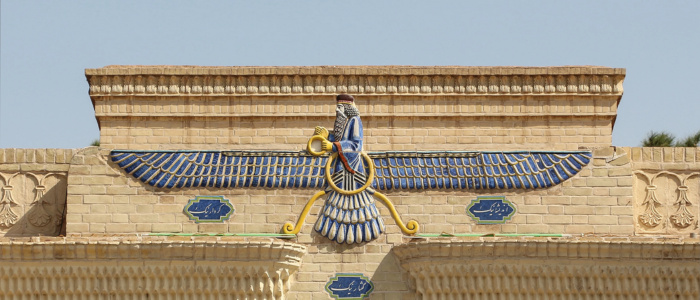
Picture by author. Images from Canva

Zoroastrianism, a dualistic religion was founded by the prophet Zoroaster (or Zarathustra) in ancient Persia (modern-day Iran). Zoroastrianism posits a world under the watch of a deity, Ahura Mazda, the Wise Lord. Ahura Mazda is the epitome of goodness and is in constant conflict with Angra Mainyu, the destructive spirit. These entities exist in an eternal conflict between good and evil.

As a follower of Zoroastrianism, you are guided by the threefold path of “Good Thoughts, Good Words, Good Deeds.” You view life as a battleground between good and evil and believe that humans are capable of choosing the side of goodness through their actions. The teachings encourage individual responsibility and righteousness, and your challenge is to live these principles in your daily life. The ultimate goal is to contribute to the triumph of good over evil in the world.

~Play Again?~

→ Your Journey Concludes.

Ending 10: Taoism
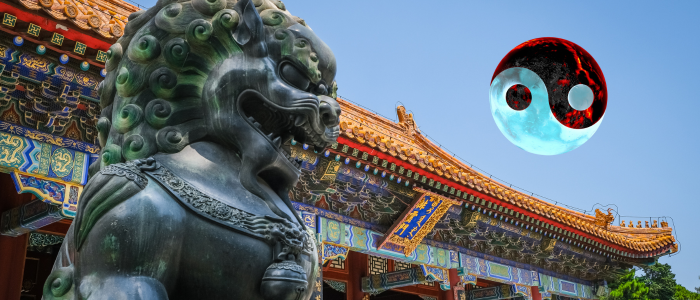
Picture by author. Images from Canva

Taoism, originating in ancient China, is both a philosophical and religious tradition that emphasizes living in harmony with the Tao, often translated as ‘the Way’. The Tao is the natural order of the universe, an inherent flow that guides all existence.

As a follower of Taoism, you seek to align yourself with the Tao, appreciating the natural world and its cycles. The focus lies on achieving balance in all aspects of life, with the complementary forces of Yin and Yang serving as key concepts in understanding the world. Taoism values simplicity, humility, and compassion.

The challenge now is to let go of striving and to live spontaneously in response to the ebb and flow of the natural world. Taoism suggests that by doing so, you will find peace and harmony within the rhythm of the cosmos, embodying the wisdom of ‘wu wei’, or ‘effortless action’. This journey is one of profound introspection, harmonious living, and a deep appreciation for the natural world.

~Play Again?~

→ Your Journey Concludes.

Ending 11: Shintoism

Picture by author. Images from Canva

Shinto, or “the way of the gods,” is the indigenous faith of Japan. It emphasizes harmony with nature and virtues such as sincerity, cleanliness, and reverence for the kami. The kami are sacred spirits, gods, or ancestors that exist in the natural world, embodying elements of life and the universe.

As a follower of Shinto, you experience a spiritual connection to the natural world and respect the kami that dwell within it. These kami can be found in all things, from rocks and trees to rivers and mountains. Ritual purification, offerings, and prayers are integral parts of Shinto worship, aiming to maintain harmony and balance with the spirits.

Your journey now is one of attuning yourself to the sacred in everyday life, recognizing the kami in the world around you, and living in a way that respects and harmonizes with the natural world. You’ll find beauty in simplicity and gain an appreciation for the transient nature of life through the concepts such as “Mono no Aware,” the empathy towards things, or the awareness of impermanence.

~Play Again?~

→ Your Journey Concludes.

Ending 12: Greco-Roman Polytheism
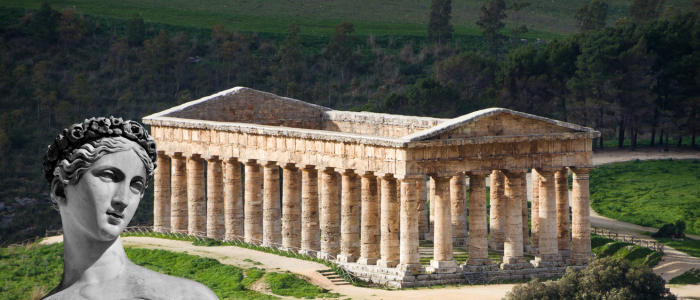
Picture by author. Images from Canva

Greco-Roman Polytheism refers to the religious traditions of ancient Greece and Rome. The Greeks and Romans worshipped a pantheon of gods and goddesses, each overseeing different aspects of the natural world and human life.

Key figures include:

Zeus/Jupiter, king of the gods

Hera/Juno, goddess of marriage

Poseidon/Neptune, god of the sea

Athena/Minerva, goddess of wisdom and warfare

As a follower of Greco-Roman Polytheism, you acknowledge and offer reverence to this diverse pantheon of deities, appreciating the different domains and aspects of life that they represent. You understand that different gods might assist you in different areas of life, and it’s your role to respect them and their domains. Your journey now is one of learning the stories and myths of these deities, understanding their symbolism, and incorporating their teachings into your life. This path offers a rich tapestry of myth, lore, and wisdom, providing a multi-faceted understanding of the world around you.

~Play Again?~

→ Your Journey Concludes.

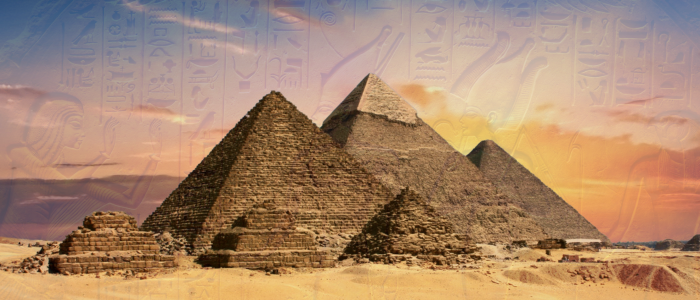
Ending 13: Egyptian Polytheism
Picture by author. Images from Canva

Egyptian Polytheism refers to the religious beliefs of ancient Egypt, the very foundation of Western civilization and one marked by its reverence for the divine. This faith involves the worship of a complex pantheon of gods and goddesses, each overseeing different aspects of existence, from the natural world to human affairs.

Major deities include:

Ra, the sun god

Isis, the goddess of magic and healing

Osiris, the god of the underworld

Horus, the god of the sky

As a follower of Egyptian Polytheism, you recognize and pay tribute to a wide array of deities, each representing different facets of life and the universe. The gods and goddesses of Egypt embody the mysteries of existence, from the cycle of the sun to the journey of the soul after death.

Your journey now is one of deep understanding and connection with these ancient deities, exploring their myths, rituals, and symbolism. You begin to see the world through the lens of ancient Egyptian wisdom, recognizing the divine in the natural world and the cycles of life. This path holds a rich tapestry of mythology, ritual, and mystical understanding, providing a profound connection with the spiritual dimensions of existence.

~Play Again?~

→ Your Journey Concludes.

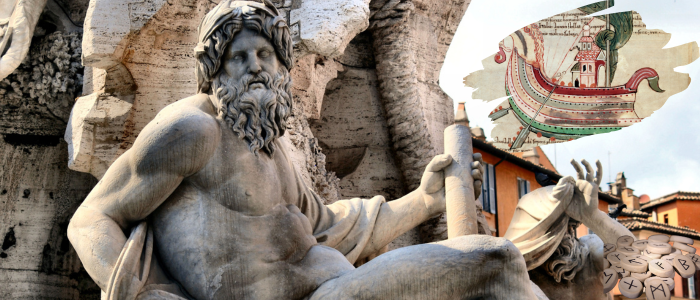
Ending 14: Norse Polytheism
Picture by author. Images from Canva

Norse religion is a polytheistic tradition that was practiced by the Scandinavian peoples during the Viking Age. It is centered on a pantheon of gods and goddesses, including:

Odin, the allfather

Thor, the god of thunder

Freyja, the goddess of love and fertility

These deities, along with a myriad of other gods, goddesses, and spirits, encompass different aspects of life, death, and the natural world.

As a follower of the Norse religion, you recognize and pay respect to a diverse pantheon of gods and goddesses. Each deity in this tradition symbolizes different aspects of life, and it’s your role to honor them and their spheres of influence. Your journey now is one of connection to these ancient gods, understanding their stories and symbolism, and integrating their wisdom into your life.

Norse religion also emphasizes the value of courage, honor, self-reliance, and loyalty to one’s community. You recognize the importance of these values and strive to embody them in your actions. By honoring the Norse gods and living according to their virtues, you become a part of the ongoing story of Norse tradition. Those who draw the favor of the allfather and die an honorable death on the battlefield you may be granted passaged to Valhalla, where they will feast in wait for the final battle: Ragnarök.

~Play Again?~

→ Your Journey Concludes.

Ending 15: Islam

Picture by author. Images from Canva

Islam, a monotheistic religion, was founded in the 7th century AD in the Arabian Peninsula by the Prophet Muhammad, who Muslims believe was the final prophet sent by God. The religion is based on the teachings of the Quran, the holy book of Islam, which Muslims believe to be the word of God as revealed to Muhammad.

As a Muslim, your faith is centered on the Five Pillars of Islam: Shahada (faith), Salat (prayer), Zakat (charity), Sawm (fasting during Ramadan), and Hajj (pilgrimage to Mecca). You believe in Allah as the one true God and Muhammad as his prophet.

Your journey now is one of submission to the will of Allah, striving to live a righteous life according to the teachings of the Quran and the Hadiths (the sayings and actions of the Prophet Muhammad). Your faith encourages a life of prayer, charity, and community, as well as personal growth and spiritual purification. This path offers a deep well of spiritual wisdom, ethical guidance, and a strong sense of communal identity and purpose.

~Play Again?~

→ Your Journey Concludes.

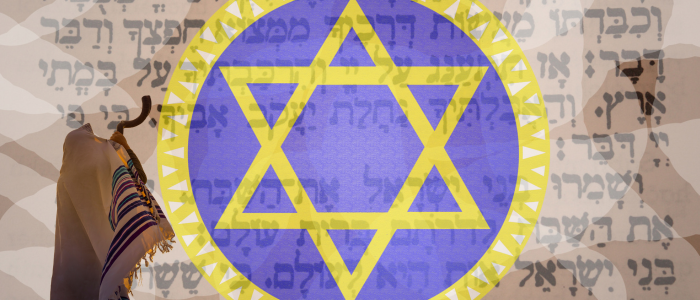
Ending 16: Judaism
Picture by author. Images from Canva

Judaism is a monotheistic religion based on the Torah, the first five books of the Hebrew Bible, and encompasses the cultural, social, and religious beliefs and practices of the Jewish people.

As a follower of Judaism, your faith is rooted in the teachings of the Torah. Jews believe in one God who revealed his laws and commandments to Moses on Mount Sinai. Jewish life is structured around these commandments, or mitzvot, which guide ethical behavior, religious practice, and communal life.

Your journey now is one of deepening understanding and observance of these commandments. Judaism encourages a life of prayer, study, and mitzvot, which includes both religious rituals and ethical actions. Through studying the Torah and the Talmud (rabbinical interpretations and commentary on the Torah), you engage in an ongoing conversation with Jewish wisdom and law. This path offers a rich tradition of intellectual inquiry, ethical responsibility, and spiritual depth.

~Play Again?~

→ Your Journey Concludes.

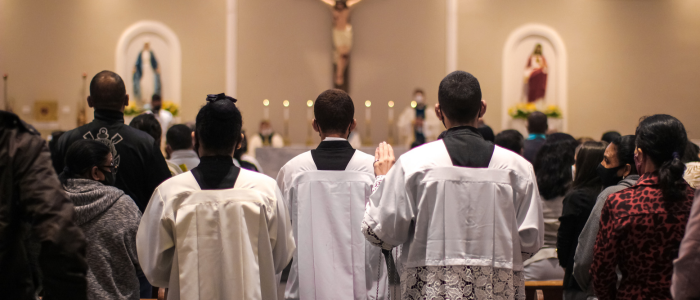
Ending 17: Catholicism
Picture by author. Images from Canva

Catholicism is a branch of Christianity, with roots dating back to the time of Jesus Christ and the apostles. It is centered around the Holy Trinity, the belief in one God in three persons: God the Father, Jesus Christ the Son, and the Holy Spirit. The Catholic Church, led by the Pope, serves as the primary spiritual authority for Catholics worldwide.

As a Catholic, you participate in the seven sacraments, which are important religious rites that mark key stages in a person’s spiritual life, such as Baptism, Communion, and Confirmation. Your faith also involves the veneration of saints, prayer (particularly the Rosary), and regular attendance at Mass.

Your journey now is one of deepening your understanding of Catholic tradition and living out your faith through participation in the sacraments and service to others. You also find spiritual guidance in the teachings of the Church, as interpreted through sacred scripture. It is a journey of lifelong learning, faith development, and spiritual growth.

~Play Again?~

→ Your Journey Concludes.

Ending 18: Orthodox Christianity
Picture by author. Images from Canva

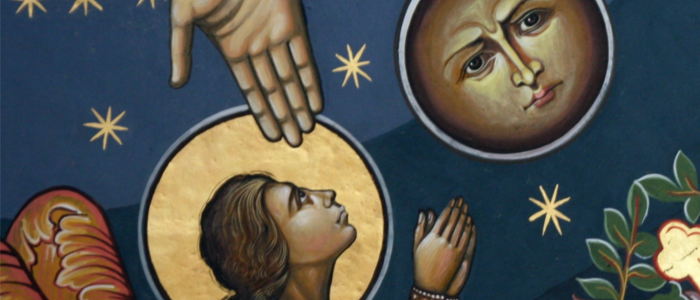
Orthodox Christianity maintains a strong link to the faith and practices of the early Christian Church. The Orthodox Church is known for its rich liturgical life and the centrality of the Holy Trinity and the Incarnation of Jesus Christ in its teachings.

As an Orthodox Christian, you participate in the Holy Mysteries, including Baptism, Communion, Confession, and others. Your faith involves a deep reverence for the Holy Tradition, which encompasses the faith and practices handed down from the Apostles and Church Fathers.

Your journey now is one of growing in the knowledge and practice of the Orthodox faith, participating fully in the life of the Church, and seeking to cultivate the virtues it teaches. The Orthodox faith offers a path of deep spirituality and a journey that invites continual growth in the love and knowledge of God.

~Play Again?~

→ Your Journey Concludes.

Ending 19: Buddhism
Picture by author. Images from Canva

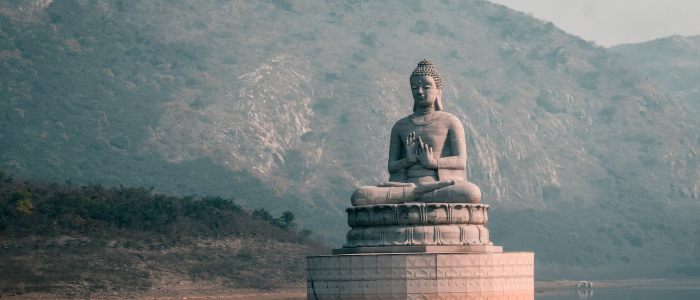
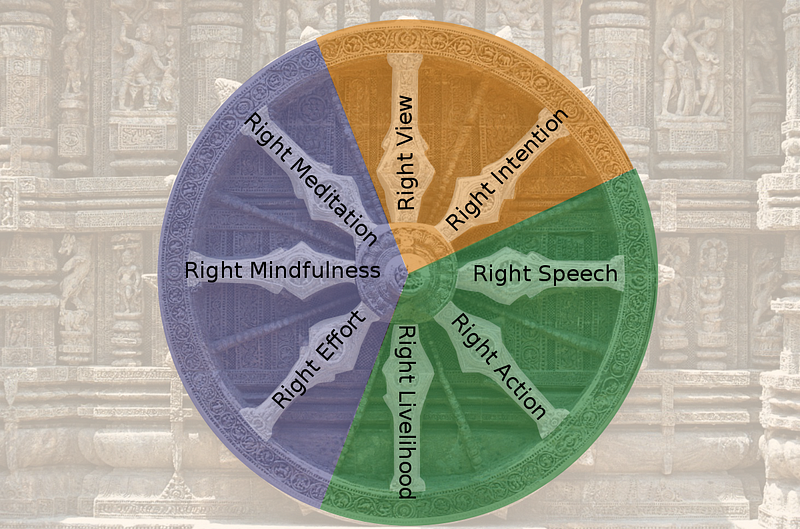
Buddhism, a religion that originated in ancient India, is based on the teachings of Siddhartha Gautama, known as the Buddha or “Enlightened One”. Buddhism revolves around the Four Noble Truths, which primarily deal with suffering and the means to eliminate it through the Eightfold Path.
Wikimedia Commons

As a Buddhist, your practice focuses on the Four Noble Truths and the Eightfold Path, which include principles of right understanding, right intention, right speech, right action, right livelihood, right effort, right mindfulness, and right concentration. Buddhism encourages you to seek your own path to enlightenment (nirvana) through self-discipline, moral conduct, and meditation.

Your journey now is one of deepening your understanding and practice of these teachings. The goal is to gain insight into the true nature of reality, overcoming suffering and the cycle of death and rebirth, ultimately achieving nirvana. This path offers a profound exploration of the mind and reality, leading to wisdom, compassion, and inner peace.

~Play Again?~

→ Your Journey Concludes.

Ending 20: Jainism
Picture by author. Images from Canva

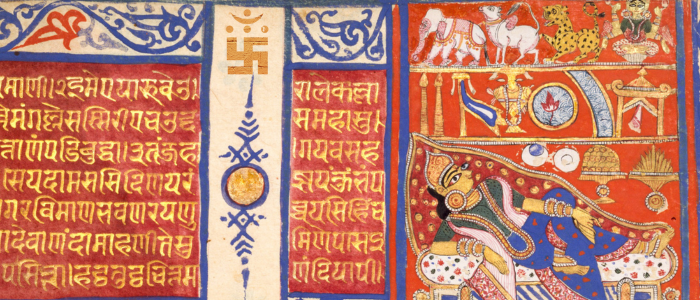
Jainism is an ancient religion originating in India. It emphasizes a path of non-violence towards all living beings. Its philosophy and practice rely mainly on self-effort to progress the soul on the spiritual ladder to divine consciousness.

As a Jain, you believe in the three guiding principles, also known as the ‘Three Jewels’: right belief, right knowledge, and right conduct. The goal of Jain life is to achieve liberation of the soul, or moksha, through ethical living and ascetic practices.

Your journey now is one of observing the Five Great Vows (Mahavratas): non-violence (Ahimsa), truthfulness (Satya), not stealing (Asteya), chastity (Brahmacharya), and non-attachment (Aparigraha). This path leads to a life of peace, respect, and harmony with all living beings, a practice of meditation and self-discipline, contributing to the spiritual progress and liberation of your soul.

This path offers an exploration of the interconnectedness of life, ethical living, and spirituality, leading to a deep respect and love for all forms of life.

~Play Again?~

→ Your Journey Concludes.

Ending 21: Hinduism
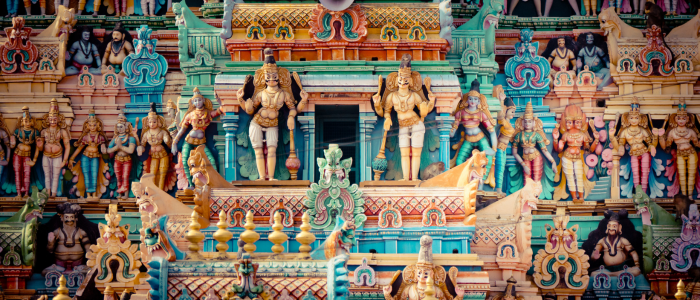
Picture by author. Images from Canva

Hinduism is a complex and diverse religion that originated in the Indian subcontinent. It’s a faith of vast deities, philosophical ideas, and traditions. Key concepts in Hinduism include dharma (duty/ethics), samsara (the cycle of death and rebirth), karma (action and subsequent reaction), and moksha (liberation from samsara).

As a follower of Hinduism, your spiritual practice could take many forms depending on your interpretation of the faith. You might follow the path of devotion (Bhakti Yoga), the path of knowledge (Jnana Yoga), the path of selfless action (Karma Yoga), or the path of meditation (Raja Yoga), or a mix of these. Your faith may involve the worship of one or many of the gods and goddesses in the Hindu pantheon.

Your journey now is one of understanding and living out your dharma, striving for moksha, and deepening your spiritual knowledge. This path offers an exploration of a rich tapestry of philosophical insights, spiritual practices, and a vibrant, deeply symbolic mythology.

~Play Again?~

Philosophy
History
Culture
Religion And Spirituality
Religion
Recommended from ReadMedium