Summary
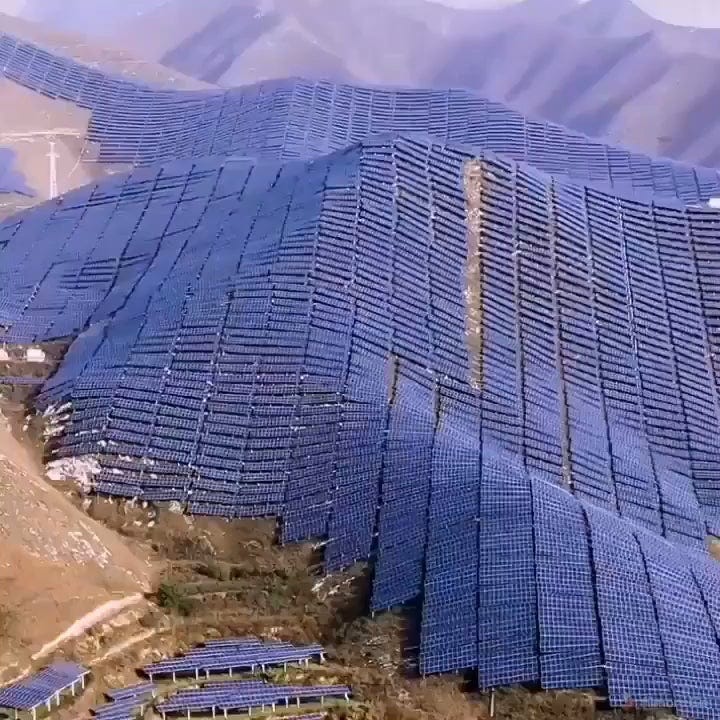
China has installed a large-scale solar panel farm on Mount Taihang in Hebei province, with an expected annual reduction of 251,000 metric tons of carbon dioxide emissions.
Abstract
China is leveraging its mountainous terrain by constructing a vast solar panel farm on the Taihang Mountains in Shexian county, Hebei province. This initiative is part of the country's push for clean energy solutions. The solar farm is designed to have an installed capacity of 321 megawatts per year, and about 78 percent of the photovoltaic system is already connected to the national power grid. The project is not only an investment in renewable energy but also a significant step towards reducing carbon emissions, aiming to cut down 251,000 metric tons of CO2 annually, as reported by the county's publicity department.
Opinions
- The project reflects a commitment to sustainable energy development and reducing environmental impact.
- By utilizing the vast mountainous regions, the project demonstrates innovation in integrating renewable energy infrastructure within the natural landscape.
- The connection to the national power grid indicates a strategic approach to ensuring that the generated clean energy is distributed effectively across the country.
- The expectation of significant carbon dioxide emission reductions underscores the project's potential impact on combating climate change.