
China’s Property Bubble Is Now Even Worse Than The US
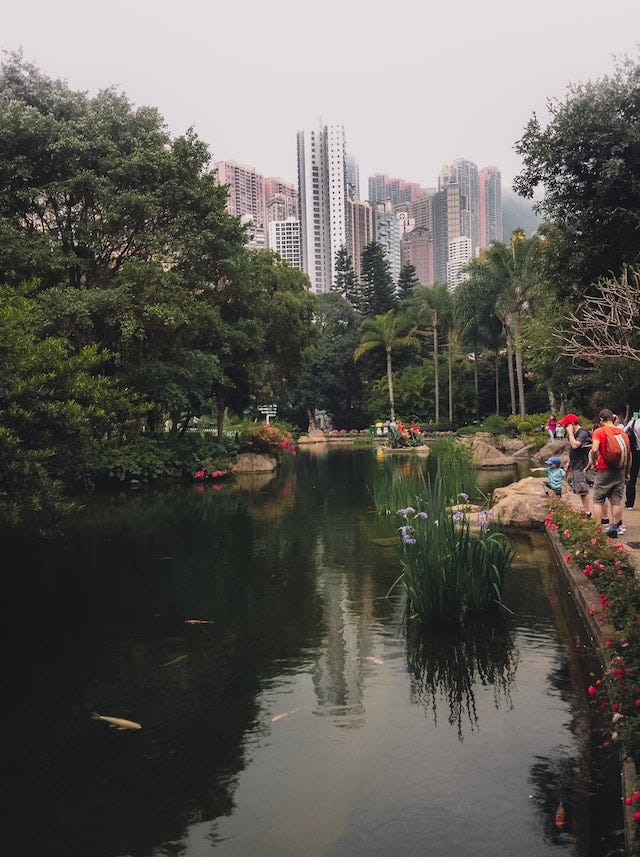
China’s property market has already been through a major bubble and bust. Now it’s experiencing a second wave of speculators buying up real estate, betting that the boom will continue indefinitely. But like any other bubble, this one could burst at any moment, leaving investors — and the rest of China’s economy — in ruins.
China’s property bubble is now even worse than the US.
China’s property bubble is now even worse than the US.
China’s housing market has been booming for years, with prices rising so fast that they are outpacing wages. The country’s ruling Communist Party has tried to cool down the market by discouraging speculation and restricting purchases. But those efforts have failed to stop rising home prices from making homeownership unaffordable for many Chinese families.
The problem is especially acute in big cities like Beijing, where a typical two-bedroom apartment costs more than $800 per square meter ($120 per square foot). That makes it one of the most expensive markets in Asia — and even more expensive than New York City or London!
In China, the average price per square meter of residential space is now $1,110.
In China, the average price per square meter of residential space is now $1,110. In New York City, it’s $1,662.
The Chinese property market has been booming for years. As recently as 2016 — when many believed that China’s economy was in trouble — real estate prices were still rising at double-digit rates across major cities like Beijing and Shanghai. The boom was fueled by easy access to credit and low interest rates; investors were buying up properties with loans backed by their existing homes or other assets instead of cash from banks (the equivalent of a mortgage). This has led some economists to worry about another bubble forming similar in magnitude to the US market pre-2008 crash
The average price per square meter of residential space in New York City is $1,662.
If you’re an American, this may be difficult to understand. But if you live in China and are looking to buy a home, it’s worth knowing that your options are far more limited than those of your neighbors overseas.
The average price per square meter of residential space in New York City is $1,662 — more than five times higher than Beijing’s current average price per square meter ($210).
China’s property market has been booming for years.
The Chinese government has been trying to cool down its overheated property market for years.
The most recent example of this was in January 2018, when Chinese regulators announced that they would be tightening mortgage rules and raising downpayment requirements for certain regions. In a statement released by the People’s Bank of China (PBOC), it said: “It is necessary to further tighten regulation on mortgages and gradually reduce leverage.”
This move came after a series of measures were taken by authorities over the past few years to try and cool down what many consider to be an overheated housing market.
China’s housing prices have been rising so fast that they are outpacing wages.
China’s housing prices have been rising so fast that they are outpacing wages. The situation is similar to the United States prior to its housing crash, when a large percentage of first-time homebuyers were financing their purchases with risky subprime mortgages.
In China, many people are buying homes as investments rather than places to live in — and this trend has been exacerbated by government policies encouraging citizens to put their money into real estate instead of stocks or other financial products such as bonds.
High levels of debt could leave the Chinese economy vulnerable in case of a drop in the property market or a downturn in economic growth.
High levels of debt could leave the Chinese economy vulnerable in case of a drop in the property market or a downturn in economic growth.
The government has been trying to cool down its overheated property market by tightening mortgage rules and raising downpayment requirements for certain regions.
The Chinese government is trying to cool down its overheated property market by tightening mortgage rules and raising downpayment requirements for certain regions.
The Chinese government is trying to cool down its overheated property market by tightening mortgage rules and raising downpayment requirements for certain regions.
The country’s real estate sector is one of the biggest drivers of economic growth, accounting for about 15% of GDP in 2017. But it has also been an area where investors have bet big — with some analysts warning that China’s property bubble could be even worse than what happened in America during the 2008 financial crisis.
In recent years, Chinese investors have poured billions into overseas real estate projects from residential apartments in New York City to office towers in Sydney and Vancouver. But now that those markets are cooling off due to stricter lending standards, many are turning their attention back home: China has seen record levels of investment over the last two years as developers rushed to build new projects before tighter regulations kick in later this year (or sooner).
Chinese investors are betting big on real estate and it might be too much for their economy
China’s property market is in the midst of a bubble, and it may be about to burst.
Investors are betting big on real estate and it might be too much for their economy. The government has tried to cool down its overheated property market by tightening mortgage rules and raising downpayment requirements for certain regions. But experts say more action will be needed if they want to avoid another financial crisis like the one that hit in 2008.
In the US, there was a housing bubble that burst in 2008. In China, there’s a property bubble that could burst anytime soon. If it does, it will have serious consequences for the country’s economy and its citizens.