

China’s Genius Orbiting Solar Power Station Could Be The Future Of Energy
Could this be the ultimate clean energy?
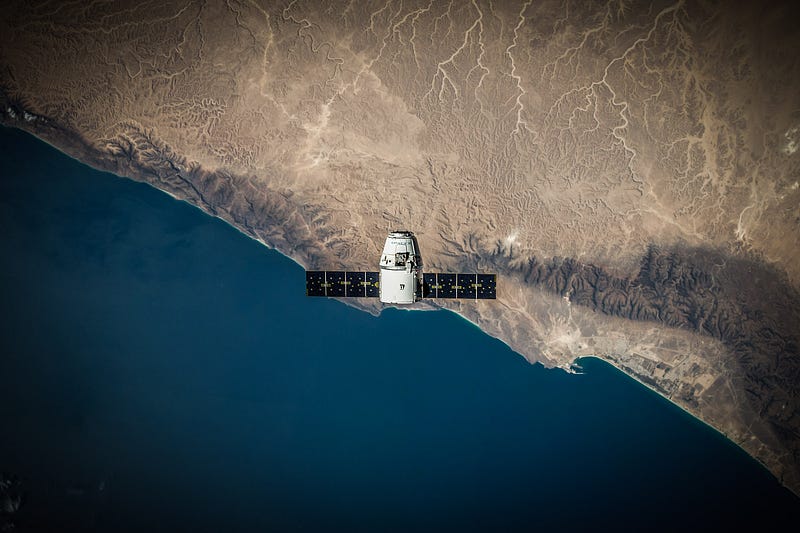
We’re in a race against time to save the planet. Almost every nation on Earth is scrambling to change its ways, denounce fossil fuels, and go carbon neutral over the next few decades. But as renewable energy becomes more popular, we are realizing that it is not without flaws. Solar and wind farms cause habitat loss, disturb ecosystems, and even affect the weather. What’s more, the mega batteries needed to make the output of these farms consistent are associated with sizable carbon footprints and environmentally damaging mining practices. So, how can we solve this? Well, China’s solution is to take solar power into orbit, collect round-the-clock potent solar energy, and beam it back to Earth. Welcome to the astonishing world of orbiting solar power stations!
When you think about it, it makes sense to put solar power into space. Down here on Earth, the atmosphere, clouds, and nightfall all get in the way of solar panels, dramatically reducing their energy output. Because there is no Ozone layer in space, the light is also far more powerful, with far more high-energy UV light. Satellites are also in the sun for a longer time. For example, a satellite in geosynchronous orbit (when a satellite orbits at the same rate as the rotation of the Earth so that the satellite appears stationary in the sky) will only be in Earth’s shadow for 14.4 minutes a day. All of this adds up to solar panels in space producing 40 times the power of those on Earth!
But the benefits of orbiting solar power stations aren’t just limited to increasing efficiency.
Firstly, orbiting solar power reduces habitat loss as you don’t need to demolish vast swathes of wilderness to build solar farms. Habitats around the globe are already struggling with fragmentation and plummeting biodiversity, so this is a considerable strength for orbiting solar power.
Orbiting solar power could also have a smaller carbon footprint and ecological impact. Make no mistake, our bog-standard Earth-based solar energy is still one of the lowest carbon energy sources we have. But orbiting solar could be far better, for a number of reasons.
Earth-based solar farms need to be oversized and have mega batteries to be useful. This is because they don’t run at peak output at all times due to clouds and nighttime. So, to produce 10 MW of power consistently all day, every day, the solar farm needs to have a total output rating of around 25 MW to 30 MW and will need to be paired with a giant battery of several MWh. That way, it can produce more than it needs to during peak sunlight hours, store it, and then release it during the dimmer hours.
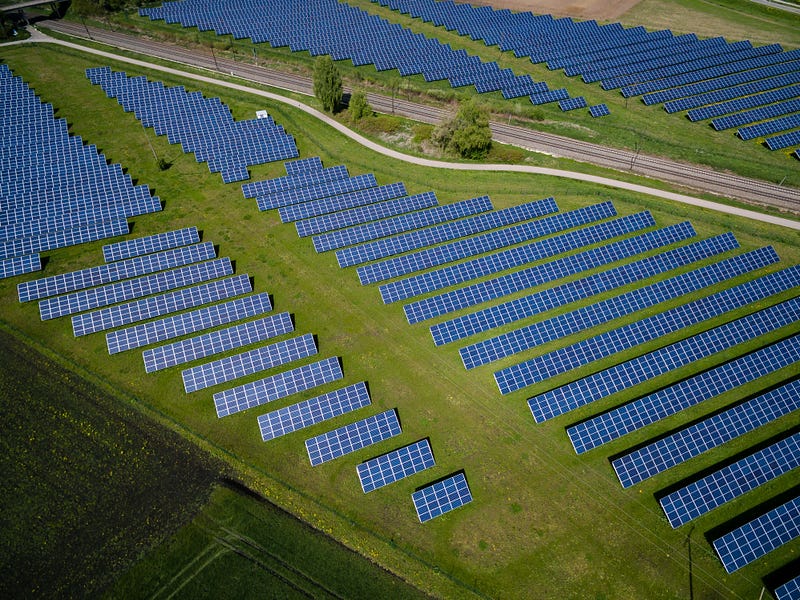
But there is a problem. Solar panels and batteries produce a lot of carbon dioxide during manufacture, and having to use more and more of them bumps up the carbon footprint of solar energy. Though it may be far less harmful than fossil fuels, the environmental consequences of this carbon dioxide are still significant for the planet. What’s more, the intensive mining needed to get the raw materials for solar panels and batteries has a massive impact on the environment such as leaching heavy metals into the water table and extensive habitat loss.
However, orbiting solars’ nearly constant output and 40 times increased total power mean we need significantly fewer solar panels and practically no batteries! So its carbon footprint and ecological impact will be far, far smaller. Moreover, most modern rockets can be powered by carbon-neutral green hydrogen, so getting these immense power stations into space won’t increase orbiting solars’ overall carbon footprint (if done correctly).
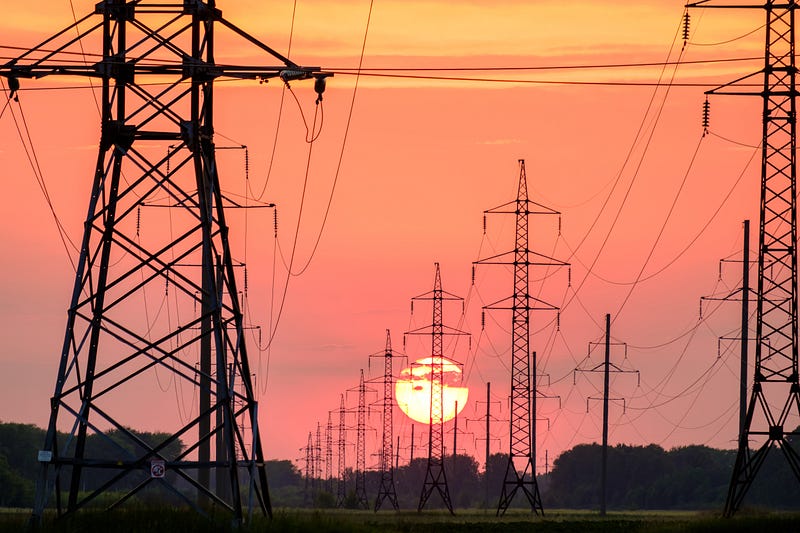
There are also the benefits of reduced infrastructure, flexibility, and scaling. Rather than having power lines crisscrossing the countryside from solar farm to city, it might be possible to simply have a power receiver in each urban area. This reduces the impact on habitats and could even save a good bit of money as there is no massive infrastructure to maintain. Additionally, individuals could have portable receivers, so you could be hugely flexible and meet all sorts of power needs and quickly adapt with no significant increase in cost. You could also scale orbiting solar power rather quickly. There is no need to find land, get permission to build, and change the electricity grid infrastructure to accommodate new power stations. Instead, just launch another satellite and install a receiver where the power is needed.
So, orbiting solar power seems to be the perfect energy solution! But, if it is so damn good, why has nobody done it before?
Well, for two reasons. Historically, the cost of getting such a power station into orbit was astronomical, making it not commercially viable. But recent developments in rocket tech, such as reusable rockets and cheaper production, have managed to mostly resolve this issue. The foremost hurdle in the way of making progress is getting this solar power back to Earth.

There are two ways you could transfer the energy back to Earth: laser or microwave power transmission. Lasers might seem like a good idea as they can be targeted and efficient. But the issue is that the atmosphere gets in their way by scattering their light, which reduces efficiency. Clouds can also stop transmission, so it wouldn’t be possible to get that nearly constant power. Instead, you could look at microwave energy transmission. They don’t get affected by the atmosphere or clouds As much, meaning they aren’t interrupted by bad weather and have incredibly high transmission efficiencies. Some say up to 98%! But they require the satellite to carry truly massive antennae, which are very difficult to package and maintain on a satellite, and this tech hasn’t been tested in space at high power levels. This means that, in practice, the efficiency might be far lower.
So, how is China solving this issue? And when will its power station be up and running?
Well, in 2028, they are planning to launch a miniature prototype version to validate their microwave power transmission technology. This little satellite will have a 10 kW solar array on board and will orbit close to Earth at an altitude of 250 miles. We have no details on the specifications of this microwave power transmission technology, but China has already shown they can do long-distance microwave transmission at 85% efficiency. This is likely a test to see if this technology, or similar technology, can function properly in space.
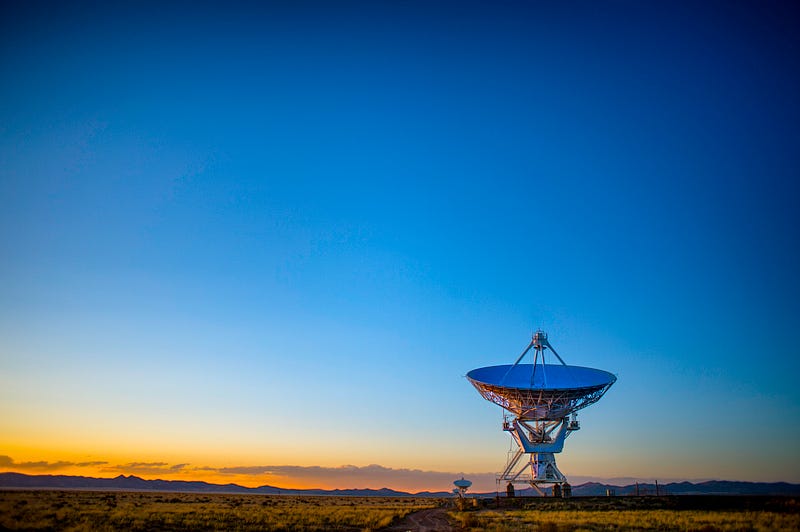
Then, in 2030, they are diving in at the deep end and will launch a 1 MW geosynchronous solar power station. This will be a significant challenge because a geosynchronous orbit requires an altitude of 22,000 miles! So, their microwave transmission tech should be perfected by then. But if they can pull this off, this power station will supply China with 1 MW of solar power constantly, (minus 14.4 minutes a day). However, it won’t end there. China wants to expand this station to a total of 1 GW of output by 2049. That is enough to power 750,000 homes!If China can successfully deploy and use this remarkable technology, then it could be a game-changer. You can forget about fusion, nuclear power, or any other low carbon energy source. This could allow us to be fully solar-powered throughout the day and with a far smaller impact on the environment than any other form of energy. So let’s keep our fingers crossed that this remarkable technology can come to fruition before it is too late.


