
China opens borders to foreign tourists. For the first time in 3 years
China only dropped its restrictive “zero COVID” policy in January. The country hopes the new entry rules will rebuild its tourism industry.

The coronavirus pandemic was a major challenge for the whole world. Each country introduced its own restrictions, which sometimes differed. Many rules were similar. For example, wearing masks, social distance and regular disinfection. The first months of 2020 were also a time of hard lockdown, during which some places in the world were completely isolated and closed to foreign tourists.
China has had a restrictive “zero COVID” policy for two years.
The first outbreak of the coronavirus occurred in China. Although to this day it is still unclear exactly where the virus may have originated from, the country was the first to implement strictures that often drew criticism around the world. The so-called zero COVID policy was in effect for more than two years, and the first changes to the pandemic control strategy did not come until late 2022.
The authorities eventually changed their policies in the face of the worsening economic situation and massive public protests. What’s more, official communiqués also stated that China had “won a victory” over the coronavirus. In January, the government also decided to lift the ban on foreign travel for its citizens.
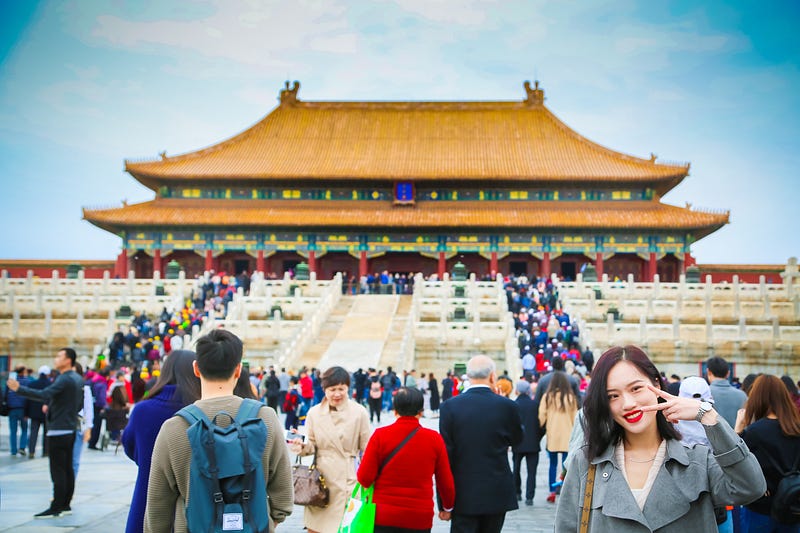
Since March, it has been possible to travel to China again
The rule change also means that after nearly three years, it will be possible to travel to China again. On March 15, the Middle Kingdom opened its borders to all foreign tourists, and authorities allowed the issuance of entry visas of all categories.
About 100 million foreign tourists visited China in 2019. This was the last year before the pandemic was officially declared worldwide, and the border closure did not take place until March 2020. In 2021 o 2022, the number of visitors dropped dramatically, which was obviously related to restrictive regulations, mandatory quarantine and regular testing.
Until now, a visa could be obtained in certain cases, including for work, academic affairs or exceptional personal situations. China has suspended the issuance of a regular tourist visa for three years. Now China’s foreign ministry has released information that regions that did not require visas before the pandemic will return to visa-free travel. This includes Hainan Island and Guandong Province, for example.
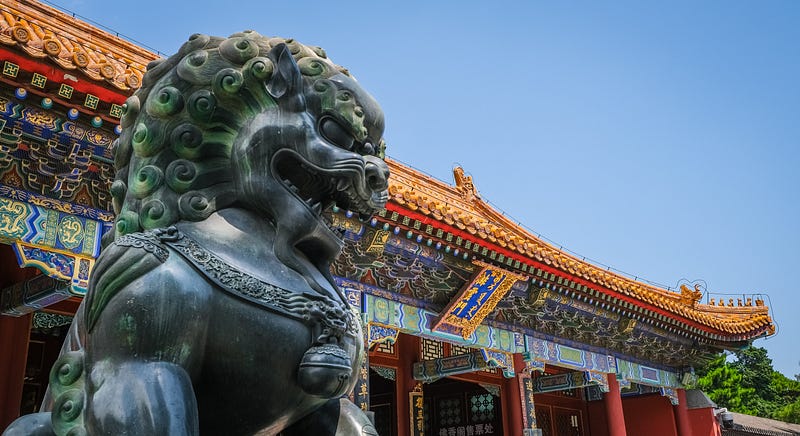
Will the change in China’s regulations affect the tourism industry?
Experts say, however, that China will not be flooded with travelers anytime soon. Economists also note that even significantly increased tourism would not significantly help the already weakened Chinese economy. Reuters recalls that in 2019, the tourism industry accounted for less than 1% of the country’s GDP.
Travel companies stress that the industry is not ready for the rapid return of travelers. The latest regulatory change is a major challenge, as after 3 years of stagnation, adequate staff must be hired again, which is in short supply at the moment. During the pandemic, most people were laid off.
“We are not prepared to handle the growing number of tourists because we are short of staff,” says Zheng Honggang, general manager of Kate Travel, which is based in Shanghai.
On the other hand, China does not have a positive reputation among countries in the West in particular. This is a result of China’s foreign policy and issues of non-compliance with human rights. Closing the country for such a long time according to some experts has caused the Middle Kingdom to lose its status as a popular tourist destination.
If you can leave a comment, claps or even start following me I would be extremely grateful for it. You can also help me continue writing articles by donating a tip. Thank you!