avatarRubaiyat Rahman

Free AI web copilot to create summaries, insights and extended knowledge, download it at here

3114

Abstract

ational Library</a> on <a href="https://unsplash.com?utm_source=medium&amp;utm_medium=referral">Unsplash</a></figcaption></figure><p id="86d6">In comparison with previous centuries, the application of soft power is stark. One of the causes behind it is the revolution in information, which enables sovereign state mechanism to garner preferred outcomes from challenger and targeting states. To do so, states adopt the strategy of attraction and persuasion (i.e., non-coercive means).</p><h2 id="953c">Chinese version of Soft Power Diplomacy</h2><figure id="e6f7"><img src="https://cdn-images-1.readmedium.com/v2/resize:fit:800/0*ukFAvzancRA0dpup"><figcaption>Photo by <a href="https://unsplash.com/@knarfy?utm_source=medium&amp;utm_medium=referral">Ryan Moulton</a> on <a href="https://unsplash.com?utm_source=medium&amp;utm_medium=referral">Unsplash</a></figcaption></figure><p id="cb30">The book under review tries to examine underlying motives behind China’s persuasion for adopting soft power diplomacy. China promotes its language and culture as leverage tools of its soft power mechanism. China’s foreign strategy recognizes that soft power diplomacy would safeguard and promote China’s interests, influence and culture in its regions of interests: Asia-Pacific, Africa and South Asia. In its soft power strategy, China synchronizes cultural diplomacy; economic assistance; and trade.</p><p id="f292">Through its own version of soft power diplomacy, China presents an alternative model of world order that is based upon Chinese benign values and responsible characteristics. To reiterate its values and characteristics, China has been successfully utilizing soft power instruments like foreign direct investment, research funding and infrastructure developments.</p><p id="a9cc">The book under review addresses China’s soft power diplomacy in South Asia region. To do so, author digs out the origin history of China’s engagement with this region.</p><p id="086e">Readers will find it interest that how initially mutual suspicions among China and South Asian countries (except India) have been veering into intimate strategic and friendly relations. As major supplier of military assets and technology and sponsor of soft loans to expensive infrastructure projects China has been boosting the strategic and economic confidence of the region’s small island and littoral states.</p><p id="b547">During discussion, the chapters of the book flesh out psycho-cultural and geo-psychological complexities of this region. This helps reader to find out how the relevance and feasibility model of China’s soft power diplomacy is successful in this region.</p><figure id="7d0d"><img src="https://cdn-images-1.readmedium.com/v2/resize:fit:800/0*ZJ_dBAELfGTi3St9"><figcaption>Photo by <a href="https://unsplash.com/@chuttersnap?utm_source=medium&amp;utm_medium=referral">chuttersnap</a> on <a href="https://unsplash.com?utm_source=medium&amp;utm_medium=referral">Unsplash</a></figcaption></figure><h2 id="2c6a">Remarks</h2><p id="7b72">The tone of the introductory chapters of the book are quite comprehensive. However, it

Options

remains ambiguous to me that how author positions ‘Chinese Version’ of soft power from the viewpoints of Joseph Nye’s soft power concept.</p><figure id="743f"><img src="https://cdn-images-1.readmedium.com/v2/resize:fit:800/0*Pk5Y9brPu8bCy472"><figcaption>Photo by <a href="https://unsplash.com/@wuyyyying?utm_source=medium&amp;utm_medium=referral">Ying Wu</a> on <a href="https://unsplash.com?utm_source=medium&amp;utm_medium=referral">Unsplash</a></figcaption></figure><p id="a79d">While reading this book, I find it a meaningful contribution to Chinese version of soft power diplomacy. The book taps some limits and opportunities of China’s soft power diplomacy. However, while China’s application of soft power diplomacy is indeed innovative, the book under review creates opportunity to mull over several unanswered questions for researchers on Chinese Foreign Diplomacy. What is the future of China’s soft power diplomacy? Through exercising soft power resources, what does China aim to achieve as satisfactory outcome? In the tempting and dominating platform of global politics, how long will China maintain its harmonious soft power diplomacy? In future, will China derail from its soft power image? Will China replicate the stepping stones of American hegemonism?</p><figure id="4174"><img src="https://cdn-images-1.readmedium.com/v2/resize:fit:800/0*6sJgA4q3v3zyox64"><figcaption>Photo by <a href="https://unsplash.com/@jannerboy62?utm_source=medium&amp;utm_medium=referral">Nick Fewings</a> on <a href="https://unsplash.com?utm_source=medium&amp;utm_medium=referral">Unsplash</a></figcaption></figure><p id="ff07">Again, another curious question may pop into mind-</p><blockquote id="b680"><p><b>‘if China does not use soft power diplomacy and start to isolate itself from the difficult turf of international system, would it bring any peaceful perception for the international order to witness such <i>backward </i>China???</b></p></blockquote><p id="d1a3">While the literature of soft power diplomacy is abundant, there is blind spot regarding Chinese version of soft power diplomacy with concentration in specific region. The book under review, through its interpretation, fills the gap. Author should be credited for painstaking research on Chinese historical events and relevance with soft power strategy.</p><figure id="1cc9"><img src="https://cdn-images-1.readmedium.com/v2/resize:fit:800/0*efodkhUN5Hf3TYUl"><figcaption>Photo by <a href="https://unsplash.com/@justjullietta?utm_source=medium&amp;utm_medium=referral">Julia Kicova</a> on <a href="https://unsplash.com?utm_source=medium&amp;utm_medium=referral">Unsplash</a></figcaption></figure><h2 id="5b3b">References</h2><p id="59cc">Chan, Steve, <i>China, the US and the Power Transition Theory: A Critique </i>(London: Routledge 2008).</p><p id="6599">Tow, William, <i>Asia Pacific Relations: Seeking Convergent Security </i>(New York: Cambridge University Press 2001)</p><p id="ba79">Kurlantzick, Joshua, <i>Charm Offensive: How China’s Soft Power is Transforming the World </i>(New Haven: Yale University Press 2008).</p></article></body>

China and Soft Power Diplomacy

A Book Review

Photo by Pedro Gonzalez on Unsplash

Book: China’s Soft Power Diplomacy in South Asia: Myth or Reality?

Author: BM Jain

Publisher: Lexington Book

Year: 2017
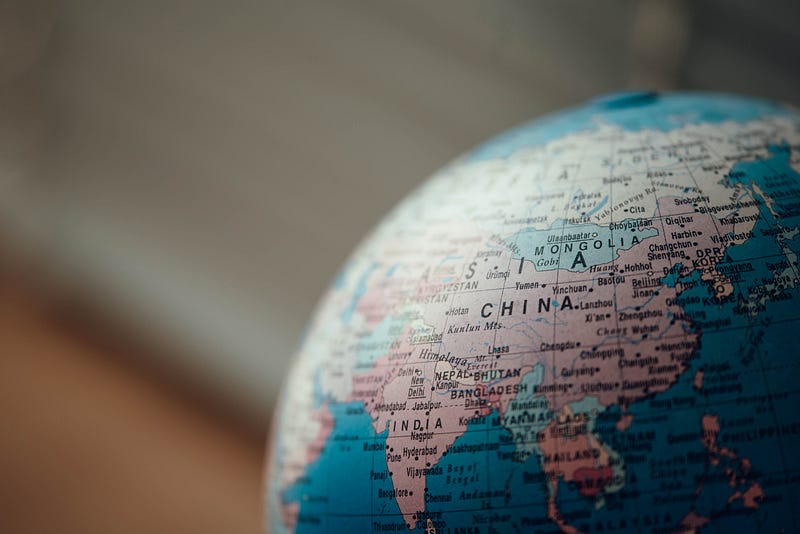
Photo by chuttersnap on Unsplash

In the post-Second World War international order, two incidents opened opportunities for China to engage with its military and economic footprints across the world. First one was China’s permanent seat in the Security Council of the United Nations; and second was China’s membership in the World Trade Organization in 2001.

‘These two extraordinary developments opened floodgates of opportunities to establish its economic footprint through massive trade and investment across the globe.’
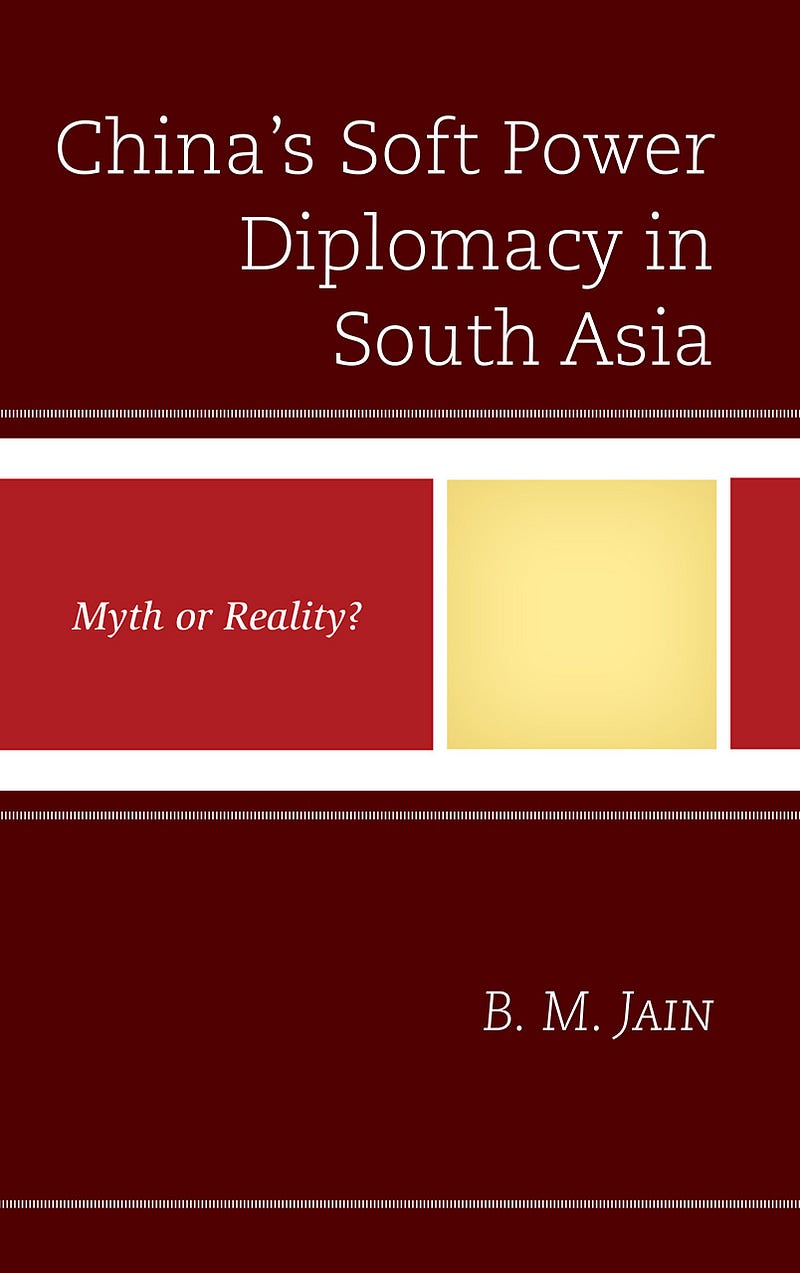
In China’s Soft Power Diplomacy in South Asia, author B M Jain advocates for Chinese version of soft power diplomacy in concentration with South Asia region.

Author has experiences of teaching various courses that have focus on China’s soft power project in contemporary time. It enables author to provide a thorough and riveting look into soft power diplomacy of China. With honest candor, author brings out remarkable shifts (from 1970’s onward) in China’s foreign policy and China’s effort to replace international order based upon the Westphalian system of sovereignty.
Photo by Ridwan Meah on Unsplash

Concept ‘Soft Power’ in a Nutshell

According to Joseph Nye, the concept is referred as ‘ability’ to shape preference of others. To find a logical elaboration of the concept, readers can sift through Joseph Nye’s book Bound to Lead (1990).

Photo by Austrian National Library on Unsplash

In comparison with previous centuries, the application of soft power is stark. One of the causes behind it is the revolution in information, which enables sovereign state mechanism to garner preferred outcomes from challenger and targeting states. To do so, states adopt the strategy of attraction and persuasion (i.e., non-coercive means).

Chinese version of Soft Power Diplomacy
Photo by Ryan Moulton on Unsplash

The book under review tries to examine underlying motives behind China’s persuasion for adopting soft power diplomacy. China promotes its language and culture as leverage tools of its soft power mechanism. China’s foreign strategy recognizes that soft power diplomacy would safeguard and promote China’s interests, influence and culture in its regions of interests: Asia-Pacific, Africa and South Asia. In its soft power strategy, China synchronizes cultural diplomacy; economic assistance; and trade.

Through its own version of soft power diplomacy, China presents an alternative model of world order that is based upon Chinese benign values and responsible characteristics. To reiterate its values and characteristics, China has been successfully utilizing soft power instruments like foreign direct investment, research funding and infrastructure developments.

The book under review addresses China’s soft power diplomacy in South Asia region. To do so, author digs out the origin history of China’s engagement with this region.

Readers will find it interest that how initially mutual suspicions among China and South Asian countries (except India) have been veering into intimate strategic and friendly relations. As major supplier of military assets and technology and sponsor of soft loans to expensive infrastructure projects China has been boosting the strategic and economic confidence of the region’s small island and littoral states.

During discussion, the chapters of the book flesh out psycho-cultural and geo-psychological complexities of this region. This helps reader to find out how the relevance and feasibility model of China’s soft power diplomacy is successful in this region.
Photo by chuttersnap on Unsplash

Remarks

The tone of the introductory chapters of the book are quite comprehensive. However, it remains ambiguous to me that how author positions ‘Chinese Version’ of soft power from the viewpoints of Joseph Nye’s soft power concept.

Photo by Ying Wu on Unsplash

While reading this book, I find it a meaningful contribution to Chinese version of soft power diplomacy. The book taps some limits and opportunities of China’s soft power diplomacy. However, while China’s application of soft power diplomacy is indeed innovative, the book under review creates opportunity to mull over several unanswered questions for researchers on Chinese Foreign Diplomacy. What is the future of China’s soft power diplomacy? Through exercising soft power resources, what does China aim to achieve as satisfactory outcome? In the tempting and dominating platform of global politics, how long will China maintain its harmonious soft power diplomacy? In future, will China derail from its soft power image? Will China replicate the stepping stones of American hegemonism?
Photo by Nick Fewings on Unsplash

Again, another curious question may pop into mind-

‘if China does not use soft power diplomacy and start to isolate itself from the difficult turf of international system, would it bring any peaceful perception for the international order to witness such backward China???

While the literature of soft power diplomacy is abundant, there is blind spot regarding Chinese version of soft power diplomacy with concentration in specific region. The book under review, through its interpretation, fills the gap. Author should be credited for painstaking research on Chinese historical events and relevance with soft power strategy.

Photo by Julia Kicova on Unsplash

References

Chan, Steve, China, the US and the Power Transition Theory: A Critique (London: Routledge 2008).

Tow, William, Asia Pacific Relations: Seeking Convergent Security (New York: Cambridge University Press 2001)

Kurlantzick, Joshua, Charm Offensive: How China’s Soft Power is Transforming the World (New Haven: Yale University Press 2008).

Politics
China
Book Review
Diplomacy
International Relations
Recommended from ReadMedium