
Chile en Nogada — Mexican history in edible form
It must be August because ‘Chiles en Nogada’ are on the menu once again here in Mexico. It’s a gastronomic treat that Catalina and I look forward to ever year although this year, with both of us on doctor-imposed diets, our enjoyment will (perhaps) have to be somewhat limited — but I won’t tell if you won’t.
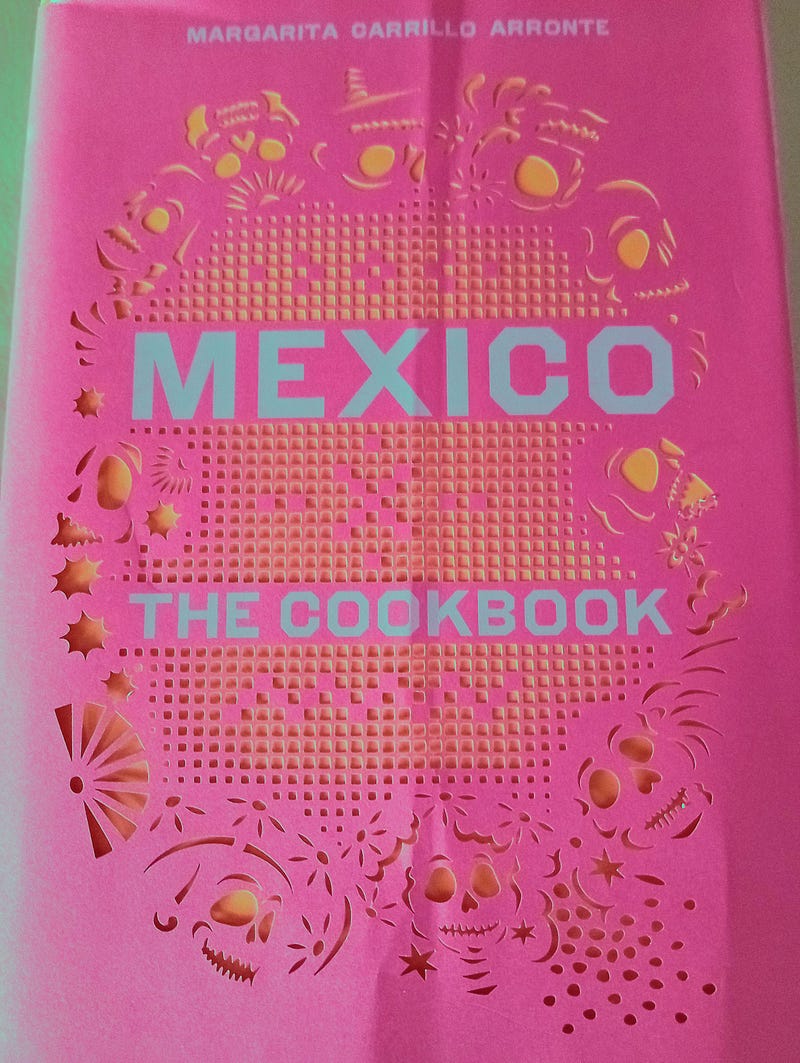
These days it is rare to come across truly seasonal foods. Supermarkets, cold stores and global supply chains have more or less eliminated seasonal eating. But Chiles en Nogada are an exception. They are made here only in August and September because one of the main ingredients, the nuez de Castilla (the walnut) is only available at this time of year. In our market this morning, the ‘vendadores ambulantes’ (street vendors) were out with their buckets of fresh walnuts, selling to those who know how to prepare this traditional late-summer Mexican treat at home. And this is some work, as each walnut is traditionally peeled by hand and walnuts are just one of the over 20 different ingredients listed in my Mexican cookbook. But I have to tell you, it is well worth it.
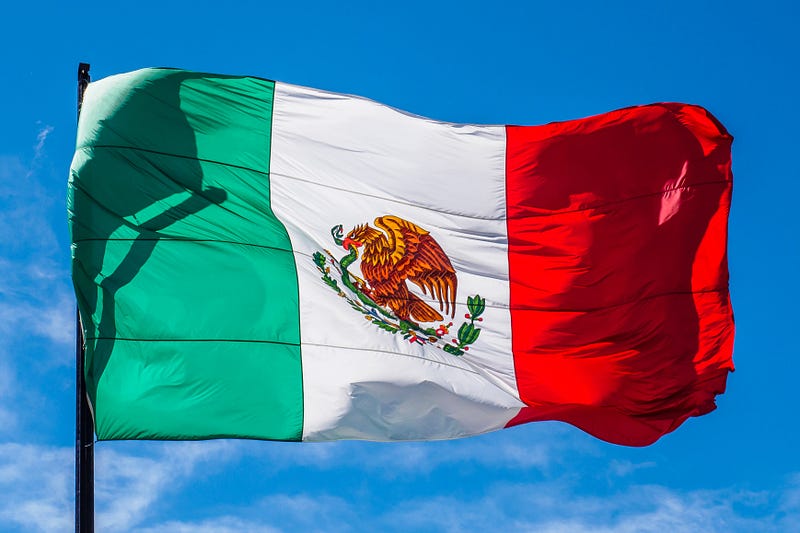
Chiles en Nogada are a traditional part of Mexican cuisine, with recipes handed down through the generations. Like most such foods, they come with their own stories. The best known tells us that they come originally from Puebla, an important city on the old road from the port of Veracruz to Mexico City. This was the route taken by Hernán Cortéz in 1519 on his way to conquer the Aztec capital of Tenochtitlan, now Mexico City. Some 300 years later in 1821, General Agustín de Iturbide took the same route, having signed the Treaty of Córdoba that finally secured the removal of Spanish troops from the newly independent Mexico. The Augustinian nuns of St Monica’s Convent in Puebla wanted to celebrate the arrival of this important visitor with a new dish, to be served on his patronal feast of St. Augustine on 28 August and decided to prepare something with the colours green, white and red. These were the colours of Iturbide’s army and symbolised the three unifying principles of Mexican independence — the Catholic religion (white), independence from Spain (green) and the unity of indigenous Mexicans (red). To this day these colours make up the Mexican Flag.
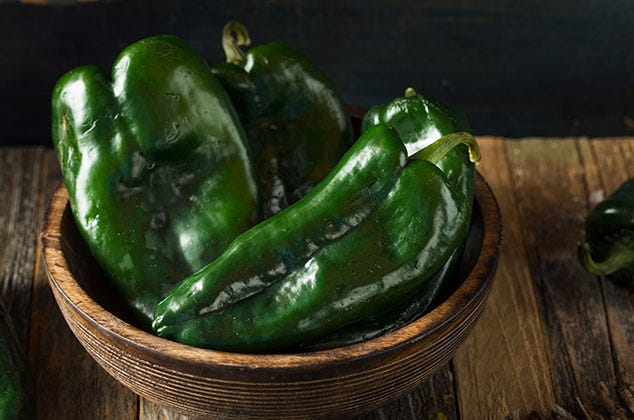
The basis of the dish is the the Chile poblano, widely used in Mexican cuisine. While it is a bigger than most other chiles, it contains less capsaicin, which is the chemical that makes chiles taste hot (“picante” ) in the mouth. Hence, in this dish, the chile provides a rich flavour rather than heat. It also gives the dish its green element.
The Chile is dry roasted, seasoned and then stuffed with a delicious mixture of chopped pork (cooked with garlic, onion and tomato) and fruits, typically peach, pear, raisins and apple, flavoured with cloves and cinnamon, to which are added almonds and candied citrón. The combination of sweet and savoury makes this dish particularly enjoyable.
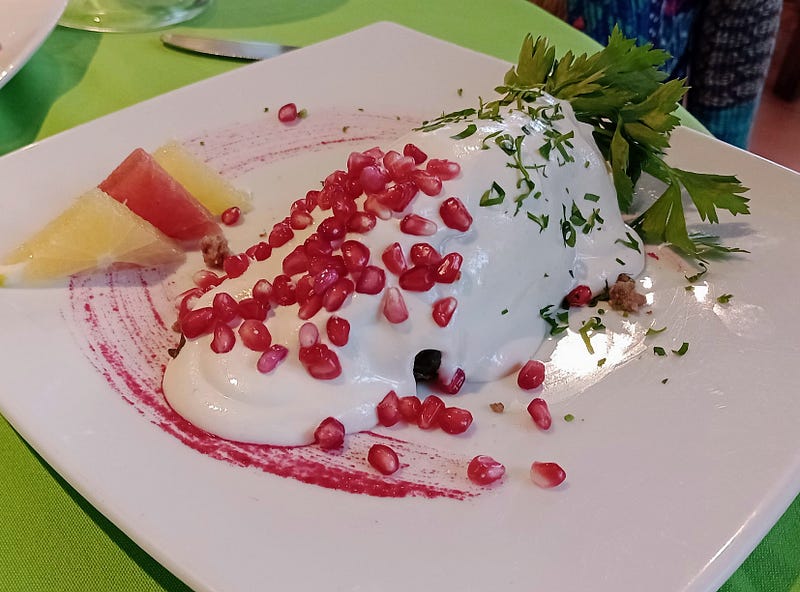
That’s the Chile part. The ‘en nogada’ simply means ‘in a nutty sauce’, which is made by blending the walnuts mentioned earlier with cream cheese, cream, milk and seasoning. Like the meat and fruit stuffing, the precise recipe for the nogada varies from place to place and secret recipes have been handed down from generation to generation. The citizens of Puebla may claim to make the genuine and most delicious Chile en Nogada but that claim is widely contested. The rich, creamy and nutty sauce is poured over the chile, providing the white component of the dish.
Finally, the dish is garnished with parsley and, to provide the red element, pomegranate seeds are sprinkled over it.
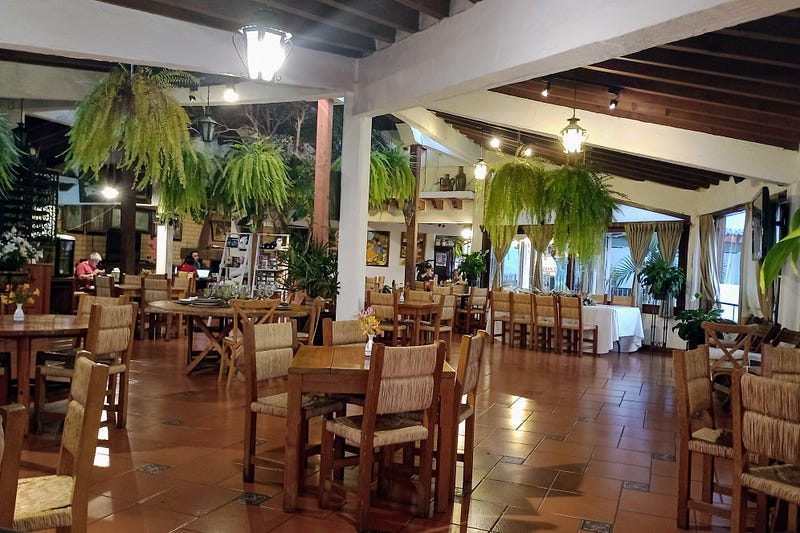
And here it is, as served last Friday at La Michoacana restaurant here in Valle de Bravo and greatly enjoyed by Catalina and me.
So my dear readers, I have tried to share with you something of this iconic piece of Mexican gastronomy, conscious that, however good my descriptions and photos, nothing can replace the real-life experience of tasting and enjoying the flavours and textures of this delicious treat. I would send you all a taste if I could. But maybe some lucky readers will be able to find a genuine Mexican restaurant whose menu includes Chile en Nogada and, if so, I hope you will give it a try. Otherwise the adventurous among you could try to make it at home but here’s a warning. My cookbook lists 25 separate ingredients with a preparation time of 45 minutes — and I’ve never been able to prepare any dish from a cookbook in less than twice the time given for the recipe! It would be a labour of love. Happy eating and greetings to all from Mexico.