avatarDr. Deborah M. Vereen-Family Engagement Influencer

Free AI web copilot to create summaries, insights and extended knowledge, download it at here

3836

Abstract

ities that confronted their economically challenged families in a timely manner. Many educators linked parents to internet providers that provided free and reduced services to families who qualified to receive them. School leaders worked tirelessly to initiate donation drives for various technologies required to support online learning. Educational facilities purchased technological tools en mass as well. They ultimately distributed laptops and other devices to students who needed them.</p><p id="1868">At the same time, teachers rushed to created learning packets that were mailed and delivered to student homes. Most significantly, they used technology to present live lessons and other virtual guided learning experiences for students. All of their instructional efforts also supported independent learning opportunities for all students. Teachers continued to monitor and assess the progress of their students.</p><p id="32cc">Parents embraced all of the novel challenges that boldly confronted them as they responded to their need to assume an extremely active role in supporting their child’s learning within their home. For the most part, they shared mutual communications with teachers and other school officials as they supervised their child’s educational program. A lot of non-English speaking parents received and responded to school communications in their native language. Many parents remained focused on supporting their child’s learning at home. They developed creative schedules that were diligently followed and they organized a dedicated learning space within their home. While many parents worked from home, they juggled all of their household responsibilities so that they continued to monitor their child’s education. Many parents who were essential workers and needed to leave the home because of their jobs made arrangements for their children to participate in their daily instructional activities.</p><p id="39fb" type="7">The end results of all of these efforts were highly diverse.</p><p id="21e7">While in-person learning remains the preferred method for many families, the students who experienced the highest level of educational success during this time did so because of the high level of engagement of their parents. Their access to the internet and technology also contributed to this. Their consistent attendance during virtual learning activities and lessons also contributed to their success as well.</p><p id="6403" type="7">Unfortunately, some students could not learn in a seamless manner during this time.</p><figure id="95d5"><img src="https://cdn-images-1.readmedium.com/v2/resize:fit:800/0*IBZXStYpu5pXO5Uc"><figcaption>Photo by <a href="https://unsplash.com/@kj2018?utm_source=medium&amp;utm_medium=referral">Kat J</a> on <a href="https://unsplash.com?utm_source=medium&amp;utm_medium=referral">Unsplash</a></figcaption></figure><p id="ea46">Many students within this category did not have access to the internet nor did they receive a laptop from their school. There were some within this group who willfully failed to participate in blended and on-line activities while others remained absent and unaccounted for through the end of the school year. Additionally, some parents remained unresponsive and disconnected from their child’s learning because of life circumstances. Sadly, there were parents who just did not care. Finally, adverse factors that included but were not limited to being direct or indirect victims of Covid-19 through family illness, hospitalization, and death, transiency, and homelessness also contributed to these adverse outcomes.</p><h1 id="c562">The Heart of the Concern</h1><figure id="261c"><img src="https://cdn-images-1.readmedium.com/v2/resize:fit:800/0*ljtHOrnycnkN32Jp"><figcaption>Photo by <a href="https://unsplash.com/@jannerboy62?utm_source=medi

Options

um&utm_medium=referral">Nick Fewings</a> on <a href="https://unsplash.com?utm_source=medium&amp;utm_medium=referral">Unsplash</a></figcaption></figure><p id="52d1">Despite the varied outcomes elaborated on above, a number parents now carry very specific concerns in their heart.</p><ol><li>They believe that decreased social experienced that were lost when school closed have harmed their children.</li><li>There is also the belief that their children regressed academically.</li><li>Many maintain the belief that their children will not be ready for the rigors associated with grade level advancement.</li></ol><p id="8c8e" type="7">I offer hope and encouragement to all of the parents who share these worries.</p><h1 id="df9e">Resilience Will Make the Difference</h1><figure id="65ec"><img src="https://cdn-images-1.readmedium.com/v2/resize:fit:800/0*IKimkJKvZVG7m6DU"><figcaption>Photo by <a href="https://unsplash.com/@kellysikkema?utm_source=medium&amp;utm_medium=referral">Kelly Sikkema</a> on <a href="https://unsplash.com?utm_source=medium&amp;utm_medium=referral">Unsplash</a></figcaption></figure><p id="660e" type="7">Children and young people, our students, have an innate sense of toughness in a gentle sort of way.</p><p id="0ab9">They play hard. They maintain a fierce determination to win and to be their very best. They are not afraid to work up a sweat to accomplish their goals no matter how great or how small. They concentrate on what they want and go after it.</p><p id="79b3">To me, this speaks to something that is very important about the character of students. Children and young people are</p><p id="cba0" type="7">resilient.</p><p id="c981">Regardless of what confronts them, they have the capacity to simply</p><p id="e7cc" type="7">bounce back.</p><h1 id="922c">The Big Takeaway</h1><figure id="56b1"><img src="https://cdn-images-1.readmedium.com/v2/resize:fit:800/0*k9TFKzyl96ytdgK7"><figcaption>Photo by <a href="https://unsplash.com/@hellolightbulb?utm_source=medium&amp;utm_medium=referral">Hello Lightbulb</a> on <a href="https://unsplash.com?utm_source=medium&amp;utm_medium=referral">Unsplash</a></figcaption></figure><p id="6647">As parents, we have to realize that our current global state is very temporary. It will not last forever. The pandemic that has impacted every sector of life, including the education of our children, will ultimately come to an end. Everything that we once considered and took for granted as normal will return in time.</p><p id="3f3b">Unique influences like scientific research and medical advances, global citizens looking our for each other by adhering to safety guidelines, and united prayer will make this possible.</p><p id="f30e">No matter what type of educational program that students will continue to be engaged in until it is safe for in-person learning to return as it once was, parents must maintain the believe in the capacity of their children to be successful students.</p><p id="a426" type="7">Parents must believe that their future will, indeed, be filled with promise.</p><figure id="283d"><img src="https://cdn-images-1.readmedium.com/v2/resize:fit:800/0*Llp3-70MsFPny1OP"><figcaption>Photo by <a href="https://unsplash.com/@napr0tiv?utm_source=medium&amp;utm_medium=referral">Vasily Koloda</a> on <a href="https://unsplash.com?utm_source=medium&amp;utm_medium=referral">Unsplash</a></figcaption></figure><p id="fcc4"><b>Here’s my golden ticket that helps me accomplish my mission.</b></p><p id="1073"><b>Dr. Deborah M. Vereen is a retired Teacher and School Administrator. Her website is <a href="http://www.drdeborahmvereen.com/">www.Drdeborahmvereen.com</a> and her YouTube channel is <a href="https://www.youtube.com/channel/UCS1DPhBeA29UlybU9jzDkdQ">https://www.youtube.com/channel/UCS1DPhBeA29UlybU9jzDkdQ</a>.</b></p></article></body>

Children Still Have A Bright Future

Parents who believe are able to see it on the horizon.

Photo by Fábio Scaletta on Unsplash

It seems like the life that our children once knew has evaporated.

Like air, the fun realities of yesterday have become intangible. The sun cannot beam on the faces of our children as they play tag and wrestle with friends because a mask covers their childhood. Our children cannot splash at pool parties with their best buddies because they must distance themselves from those who matter the most in their part of the world. Young teenage girls like my daughter cannot have sleepovers and experiment with makeup and facials because they must sanitize these fun moments off their hands.

Everything is eerily different for our children, including school.

What’s Going On?

Photo by Melanie Wasser on Unsplash

So much uncertainty and ambivalence fills the air.

The pandemic has made deposits of unshakable fear into the hearts of many parents. They have the desire for their children to live a normal life yet they are consumed by the need to isolate and protect them from all that could potentially harm them at the same time.

There are so many issues that have caused families to experience a high level of stress these days. Here are some of the things that have created distress for them.

  • Unemployment has carved an endless path throughout this nation that has led to atrocities like economic crisis, food insecurity, poverty, and homelessness.
  • Illness and death have caused a cloud of grief to blanket our nation.
  • The citizens who belief that more focused leadership needs to be modeled at the federal level also crave the demonstration of compassionate empathy within that executive level.

Aside from these and many other worries, parents everywhere are really upset about the education of their children.

The Backstory
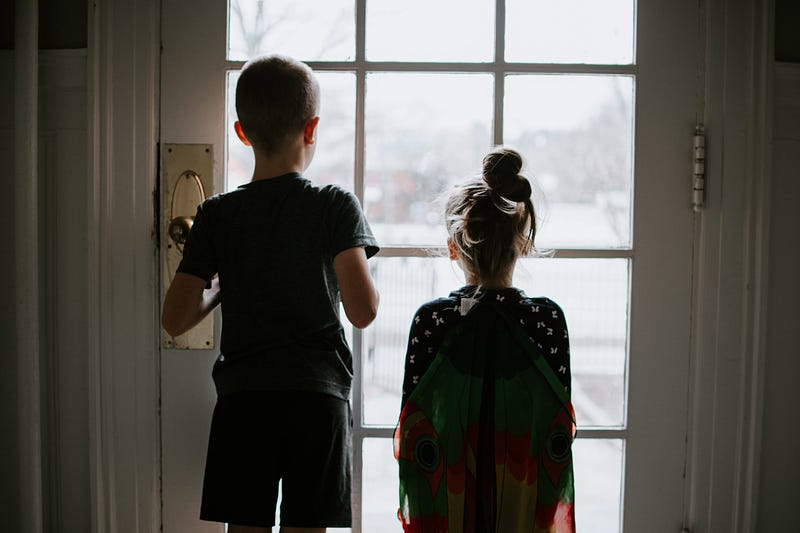
Photo by Kelly Sikkema on Unsplash

Once the Covid-19 began to rapidly and simultaneously spread from each side of the United States, all schools abruptly closed. This was done in response to the enactment of social distancing guidelines so that the spread of the virus would slow.

Educators everywhere continued to be focused on educating students. However, doing so required a paradigm shift.

Brick and mortar schools suddenly changed their traditional in-person instructional delivery model to distance and blended learning. Schools carefully developed schedules to permit students to pick up books and other materials required for their continued learning.

School personnel did their very best to respond to digital inequities and inequalities that confronted their economically challenged families in a timely manner. Many educators linked parents to internet providers that provided free and reduced services to families who qualified to receive them. School leaders worked tirelessly to initiate donation drives for various technologies required to support online learning. Educational facilities purchased technological tools en mass as well. They ultimately distributed laptops and other devices to students who needed them.

At the same time, teachers rushed to created learning packets that were mailed and delivered to student homes. Most significantly, they used technology to present live lessons and other virtual guided learning experiences for students. All of their instructional efforts also supported independent learning opportunities for all students. Teachers continued to monitor and assess the progress of their students.

Parents embraced all of the novel challenges that boldly confronted them as they responded to their need to assume an extremely active role in supporting their child’s learning within their home. For the most part, they shared mutual communications with teachers and other school officials as they supervised their child’s educational program. A lot of non-English speaking parents received and responded to school communications in their native language. Many parents remained focused on supporting their child’s learning at home. They developed creative schedules that were diligently followed and they organized a dedicated learning space within their home. While many parents worked from home, they juggled all of their household responsibilities so that they continued to monitor their child’s education. Many parents who were essential workers and needed to leave the home because of their jobs made arrangements for their children to participate in their daily instructional activities.

The end results of all of these efforts were highly diverse.

While in-person learning remains the preferred method for many families, the students who experienced the highest level of educational success during this time did so because of the high level of engagement of their parents. Their access to the internet and technology also contributed to this. Their consistent attendance during virtual learning activities and lessons also contributed to their success as well.

Unfortunately, some students could not learn in a seamless manner during this time.

Photo by Kat J on Unsplash

Many students within this category did not have access to the internet nor did they receive a laptop from their school. There were some within this group who willfully failed to participate in blended and on-line activities while others remained absent and unaccounted for through the end of the school year. Additionally, some parents remained unresponsive and disconnected from their child’s learning because of life circumstances. Sadly, there were parents who just did not care. Finally, adverse factors that included but were not limited to being direct or indirect victims of Covid-19 through family illness, hospitalization, and death, transiency, and homelessness also contributed to these adverse outcomes.

The Heart of the Concern

Photo by Nick Fewings on Unsplash

Despite the varied outcomes elaborated on above, a number parents now carry very specific concerns in their heart.

  1. They believe that decreased social experienced that were lost when school closed have harmed their children.
  2. There is also the belief that their children regressed academically.
  3. Many maintain the belief that their children will not be ready for the rigors associated with grade level advancement.

I offer hope and encouragement to all of the parents who share these worries.

Resilience Will Make the Difference
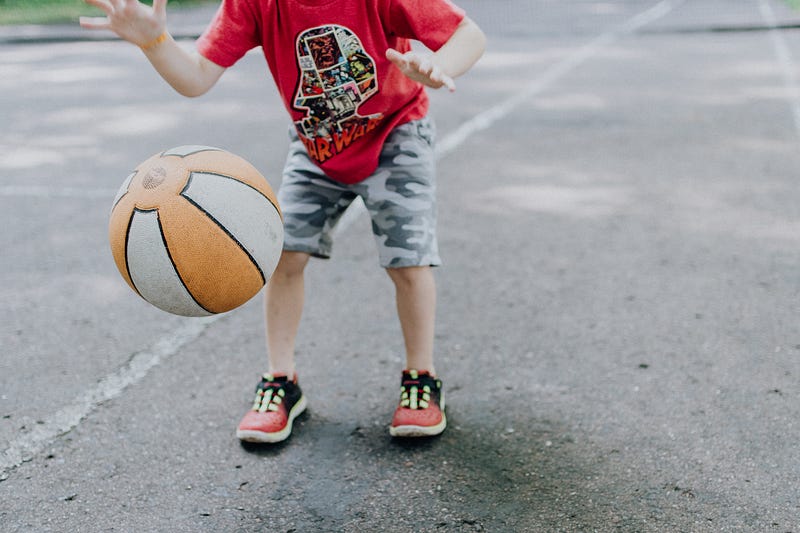
Photo by Kelly Sikkema on Unsplash

Children and young people, our students, have an innate sense of toughness in a gentle sort of way.

They play hard. They maintain a fierce determination to win and to be their very best. They are not afraid to work up a sweat to accomplish their goals no matter how great or how small. They concentrate on what they want and go after it.

To me, this speaks to something that is very important about the character of students. Children and young people are

resilient.

Regardless of what confronts them, they have the capacity to simply

bounce back.

The Big Takeaway

Photo by Hello Lightbulb on Unsplash

As parents, we have to realize that our current global state is very temporary. It will not last forever. The pandemic that has impacted every sector of life, including the education of our children, will ultimately come to an end. Everything that we once considered and took for granted as normal will return in time.

Unique influences like scientific research and medical advances, global citizens looking our for each other by adhering to safety guidelines, and united prayer will make this possible.

No matter what type of educational program that students will continue to be engaged in until it is safe for in-person learning to return as it once was, parents must maintain the believe in the capacity of their children to be successful students.

Parents must believe that their future will, indeed, be filled with promise.
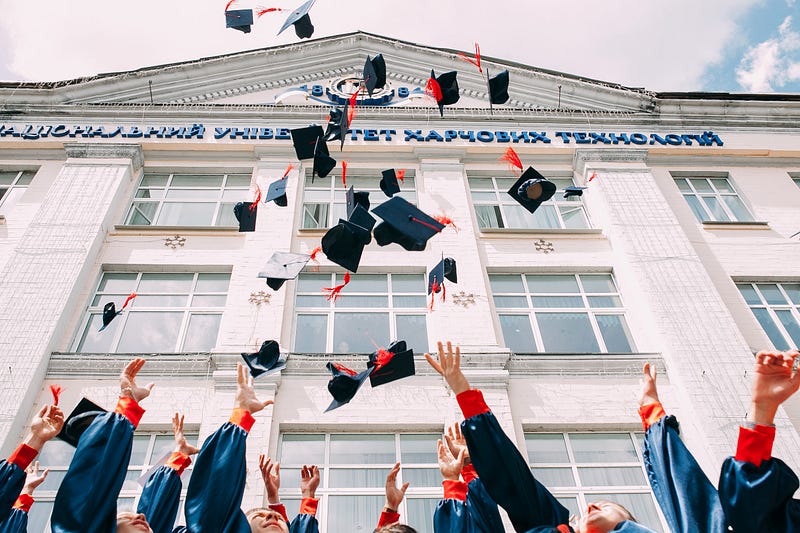
Photo by Vasily Koloda on Unsplash

Here’s my golden ticket that helps me accomplish my mission.

Dr. Deborah M. Vereen is a retired Teacher and School Administrator. Her website is www.Drdeborahmvereen.com and her YouTube channel is https://www.youtube.com/channel/UCS1DPhBeA29UlybU9jzDkdQ.

Education
Parenting
Learning
Students
Teachers
Recommended from ReadMedium