
Childless or Childfree — Which One Am I Supposed to Be?
Embracing my lack of procreation
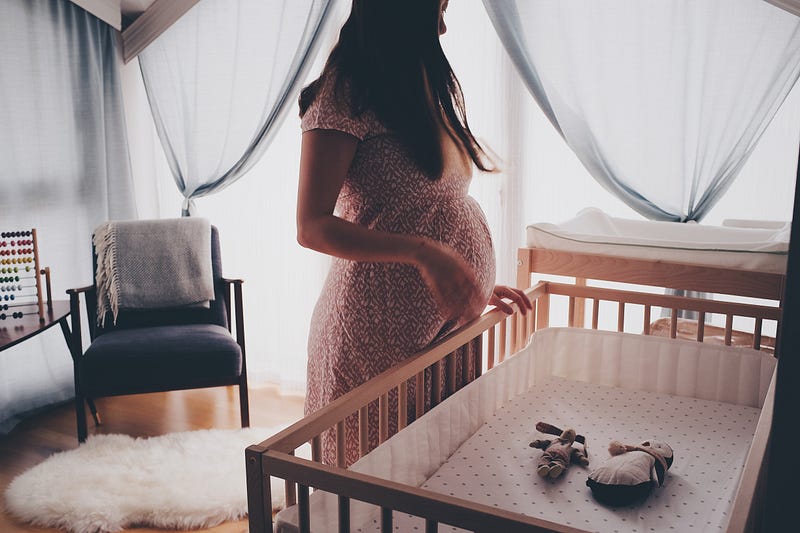
I was going to title this story something like “Childless in my mid-30s. The odd one out in my group of mom-friends,” but now I’m wondering if childfree isn’t a better option.
The truth is that even I don’t know how I feel about this — not having children of my own. Most of the time, it feels neutral, normal even. I always expected to become pregnant at some point, but it never happened, and I’m surprisingly okay with this.
What makes me uncomfortable is the fact that I don’t fit in any of the categories: childless or childfree. Let me explain.
Childless
Childless is the term for people who, for one reason or another, can’t have children but want to. Many people in this category are either desperate, heartbroken, or filled with regret. I feel for them, but I’m not one of them.
My workplace is a perfect example of this kind of situation. Three couples, all in their thirties, were struggling to get pregnant for years. They wanted kids so badly that they subjected themselves to IVF treatments, shady clinics in Kyiv, and artificial insemination.
The miracle finally happened. One of my colleagues triumphantly announced he and his wife would be having triplets. A year later, the other two couples conceived. Only one of them, an assistant, got pregnant naturally, and it came as a huge surprise.
Going into work, I was always greeted with the same question: “When are you going to have a baby? The clock is ticking, you know.”
And this is why identifying as childless irks me. I don’t share their determination. I expect things to happen naturally, and I’m fine if a baby never comes at all. Can’t I have it both ways?
I’ve never felt drawn to children the way they did — clearly, my friends wanted them more. Otherwise, they wouldn’t have gone to such great lengths to have them. But I also believe that motherly instincts kick in and that people have the right to change their minds.
After having their children and facing exhaustion and sleepless nights, my colleagues stopped asking me when I would join the club. In fact, all they did was lament about how hard it was, and I sympathized, although it seemed to me like their wives were doing most of the heavy lifting.
One of my coworkers, the proud new father of a colicky, fussy newborn, even concluded that having a baby shouldn’t be the end-all-be-all and that he liked his old life better. I’m sure that it was the lack of sleep talking, but I’ve heard this kind of statement before.
So what am I to believe? Should I be worried that I’m 35 years old, reasonably healthy, but still not pregnant? Am I supposed to be sad about it?
Should I act guilty when friends and family matter-of-factly ask intimate and insensitive questions?
Should I feel like the lesser woman when most of my much younger friends are already caring for their second child?
That’s what my in-laws seem to think, and for a while, that’s what my parents thought, too.
I’m childless at a get-together with our friends, when I’m stuck in the mom group listening to women talk about lactation and sleeping schedules, all while watching the husbands having fun outside, drinking, and tending to the barbecue. I wish the men would accept me in their crowd, because, hey — I can really hold my liquor — but they won’t. It’s a cultural thing.
However, I’m childfree when going to work, and listening to my colleagues complain about how hard it is to have a toddler. Or three.
Childfree
Childfree is for those people who are deliberate about not having children. Being childfree is a choice, a bold statement against societal norms.
I don’t identify with being childfree either. It sometimes seems too radical, and it’s easy to go to extremes when justifying your decision.
“The world is overpopulated, and by being childfree, I’m contributing to our planet’s wellbeing.” Really? You love planet Earth so much that you’re willing to bypass the strongest instinct all creatures have? I applaud women who are genuine about this, but I doubt this is a common reason for deciding against having children.
Other perfectly good reasons for remaining kidless by choice are:
- never having the desire to have children;
- enjoying your life just the way it is: quiet and mayhem-free;
- wanting to focus on your career;
- enjoying travel and a nomadic lifestyle;
- bad timing and advanced maternal age;
- mental or physical health reasons;
- financial reasons.
I only know one couple who decided to stay childfree, and I don’t share their convictions. That’s why I feel somewhat out of place. Choosing to be childfree feels like a final sentence, and I don’t want to be boxed in.
In my experience, childfree women are very militant when exposing their beliefs, probably because of all the pushback they received over the years. But I’m sure that a lot of it is just fear.
We all know a friend who had children and turned into the type of person you wouldn’t want to hang out with anymore. We’ve sometimes witnessed our friends’ lives transform for the worse after having children, and maybe that’s why we vowed never to have our own.
I have my own fears about becoming a mother. I’m afraid my health would deteriorate or that I wouldn’t be able to cope, since I’m barely able to take care of myself at times. I’m afraid I’ll suck at being a mother and traumatize my child. I’m afraid a crying baby will make me deeply unhappy and take my freedom away.
But I’m not one to succumb to my fears. Even though I enjoy my childfree life, and I don’t feel like anything is missing, I acknowledge the huge potential for personal growth that tiny humans bring into our lives. And if the opportunity arises, I will be grateful for it.
My story
I come from an Eastern European background, and my environment has always been heavily influenced by Orthodox Christianity. Ever since I was a little girl, I’ve been taught by society and church that a woman’s only calling should be to get married and have children.
All through my twenties, I’ve been very proactive about ticking the marriage aspect off my to-do list and was certain I would soon find someone, and children would then follow. It wasn’t a desire, more like a natural progression. Something I’ve been taught to expect.
But as I got older, and with no husband in sight, I began to experience pressure from friends, family, society, and even the church I was frequenting. Nobody cared about my circumstances, nobody saw all the effort I had put in, all the heartbreak, and it made me feel hurt and misunderstood.
Whenever I heard statements and sermons like “Women will be saved through bearing children,” it made my skin crawl. Surely, God had something in mind with us spinsters, too, not to mention there were plenty of examples of childless people in the Bible.
I finally got married at 32 years old, and my husband and I only recently decided to try to get pregnant. Honestly, whatever happens, I am fine, and that’s how my husband feels, too, though men are always more eager to have their own offsprings.
Closing thoughts
I don’t know how my life will look like in the next decade, but as my fertile window gets smaller, I’ll soon know for sure whether kids will be part of my future or not.
Until then, I’m neither childless nor childfree. I’m merely existing as a woman, living one day at a time. There’s no frustration or resistance, just curiosity about where life takes me.
Will I regret not having children? I can’t tell. I’ve never had a strong desire for them, so you can’t regret something you don’t want that badly.
Will I be happy if I do have a baby? I don’t know that either. I feel happiness has nothing to do with being a mother or a wife. Happiness is mostly about being at peace with yourself.
I wanted to write this as an expression of what it’s like to be okay with my life, despite what I’m “missing out” on. And I might pin this on my social for all my nosy relatives and friends to read.
Enjoyed this article? Join my newsletter for more insights on life, love, health, and work from this 30-something wannabe writer.


