
Chernobyl, The Haunting Story of a City That Was Left to Die
The nuclear disaster turned a thriving city into a haunting ruin
(Please note that the dialogue used throughout this story is accurate. I have included my sources at the bottom of the page)
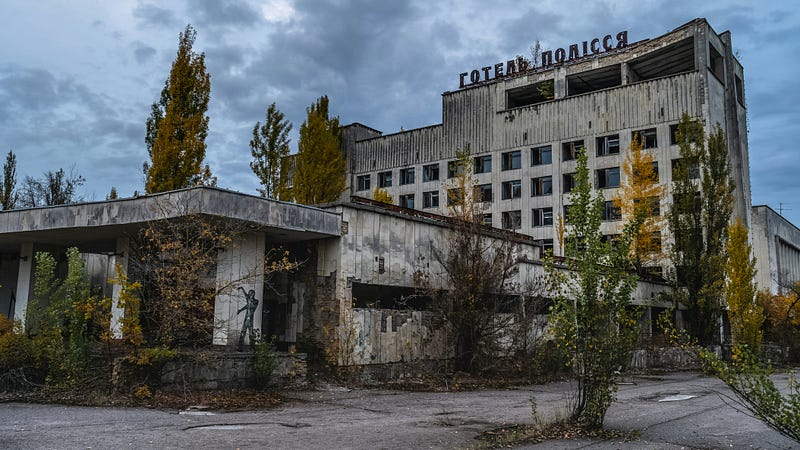
Thirty-five years ago, on April 26, 1986, the world witnessed the worst nuclear accident in history. A reactor at the Chernobyl Nuclear Power Plant in Ukraine exploded, releasing a cloud of radioactive material that spread across Europe and beyond. The nearby city of Pripyat, home to 50,000 people, was evacuated within 36 hours and never inhabited again.
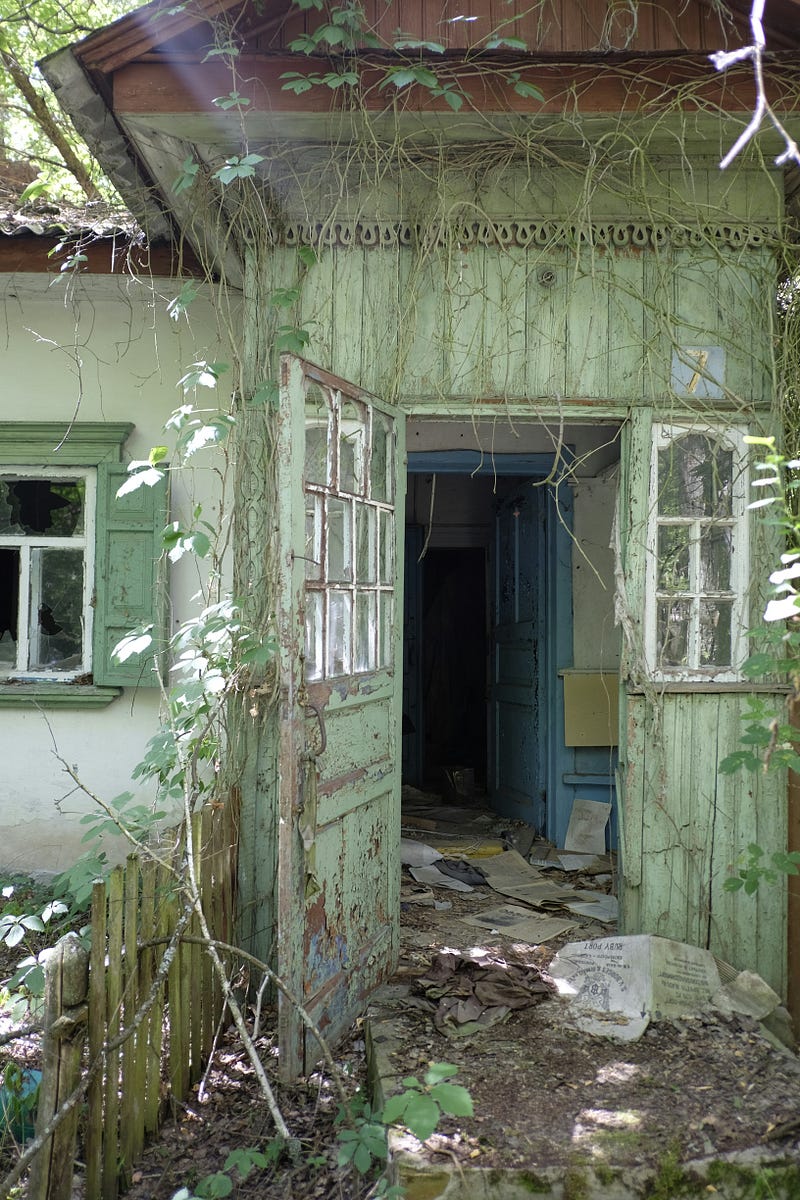
Today, Pripyat is a ghost town, frozen in time and slowly reclaimed by nature. The crumbling buildings, rusting vehicles, and forgotten belongings of the former residents tell a tragic tale of a life that was snatched away by the disaster. The eerie silence is occasionally broken by the clicks of Geiger counters and the howls of stray dogs.
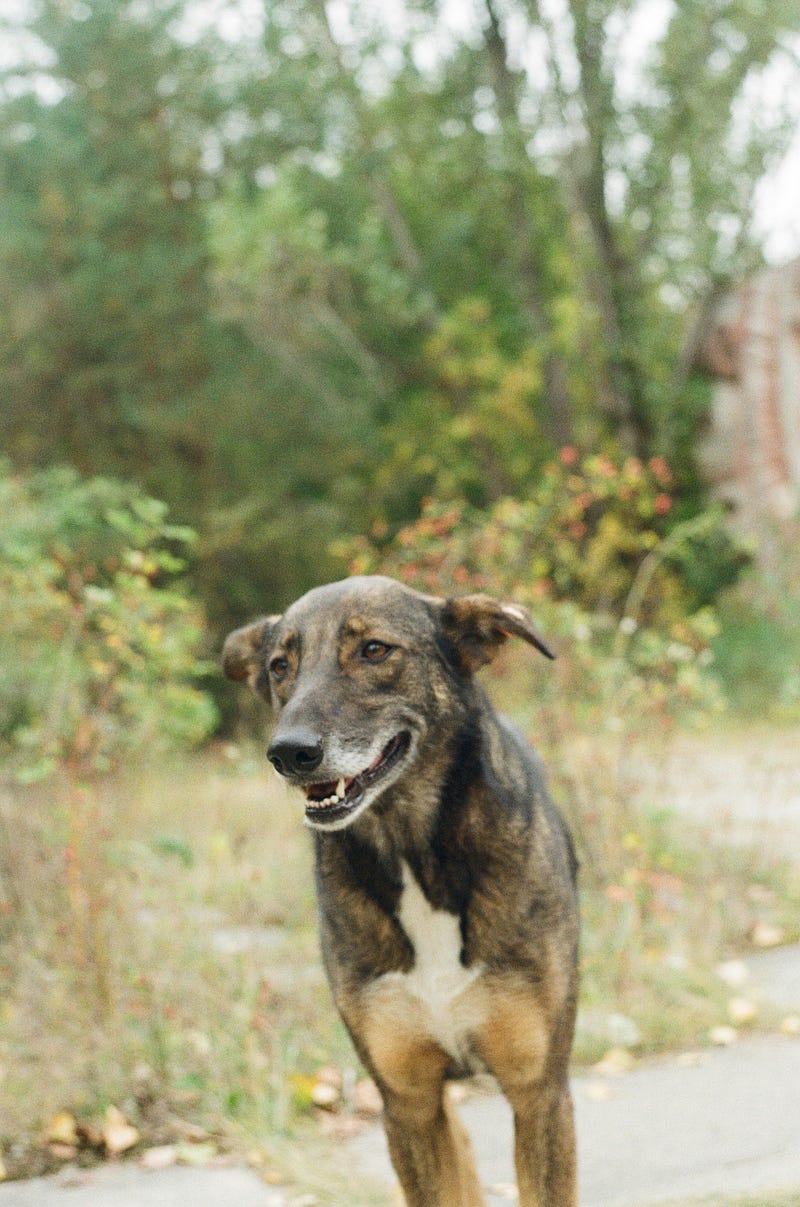
Photographers and tourists have been drawn to the site, fascinated by the contrast between the past and the present, the beauty and the horror, the decay and the resilience. Here are some of the most striking images of Chernobyl's haunting ruins, captured by web users.
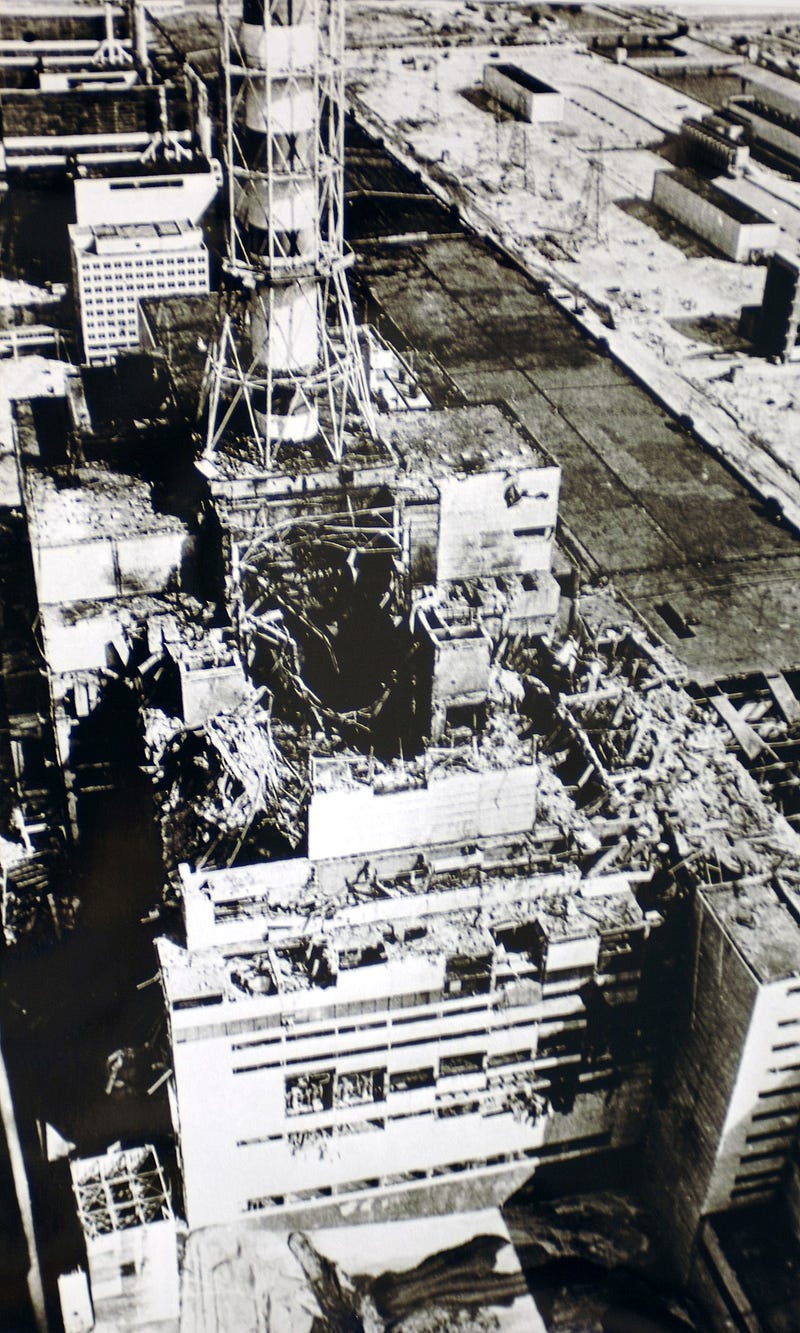
This is the molten core of the reactor, which solidified into a mass of radioactive lava. The reactor is one of the most dangerous places on Earth, emitting lethal doses of radiation. Only a few people have seen it in person, and none for more than a few minutes.
"We didn’t know what was happening. We thought it was a fire drill. We left everything behind. We never came back." - Former president Gorbachev.
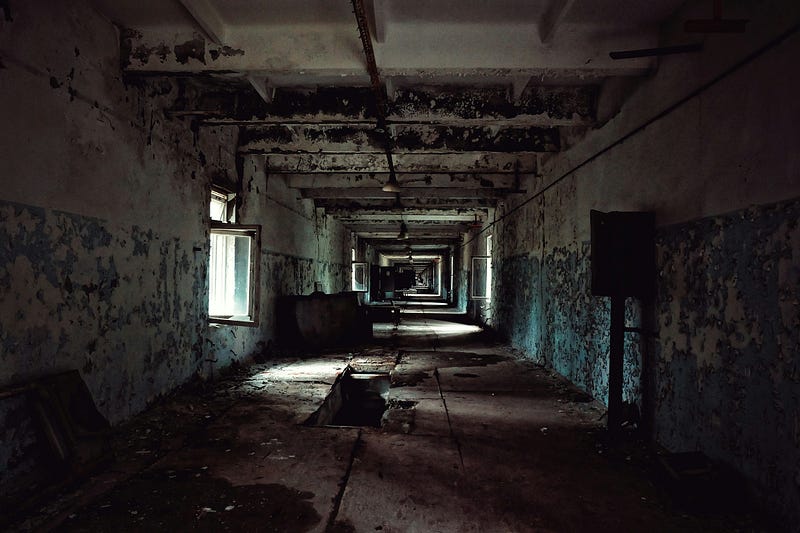
This is one of the many corridors that was once filled with activity, but now lie empty and decaying. The peeling paint, broken windows, and scattered debris create a sense of desolation and decay.
"The Chernobyl disaster released 400 times more radiation than the atomic bomb dropped on Hiroshima." - A fact from the World Health Organization.
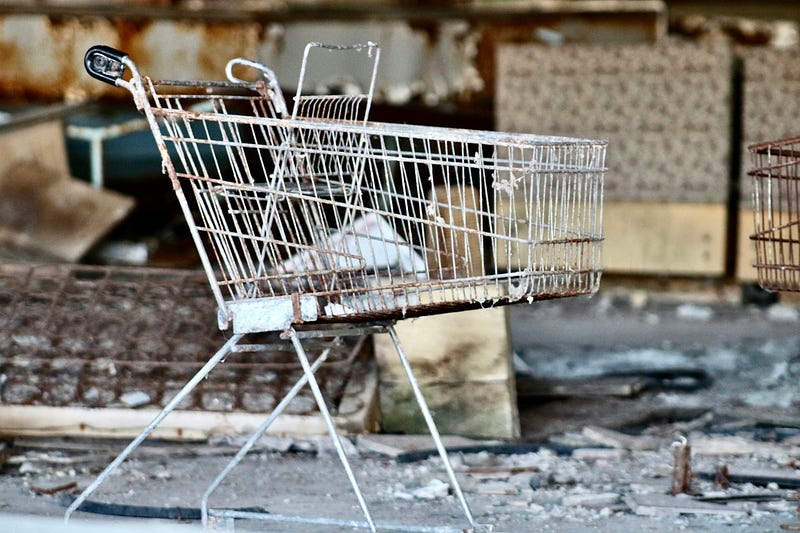
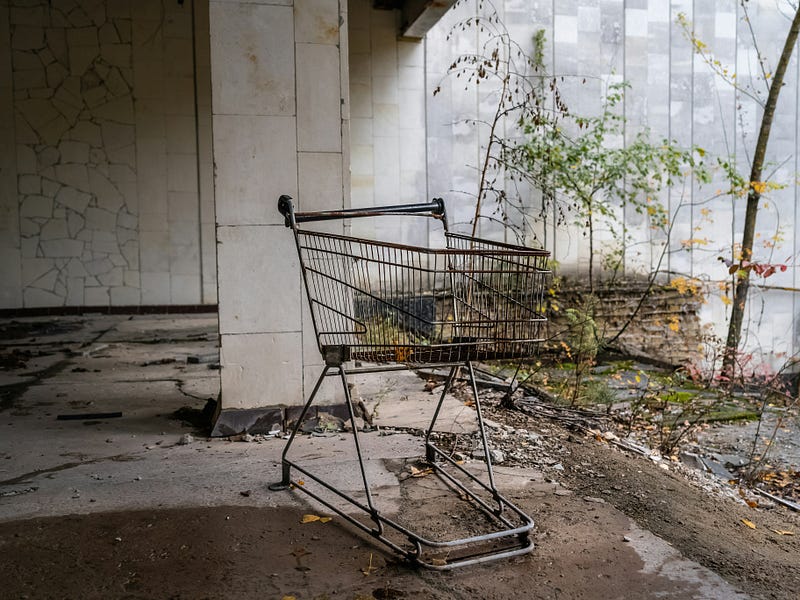
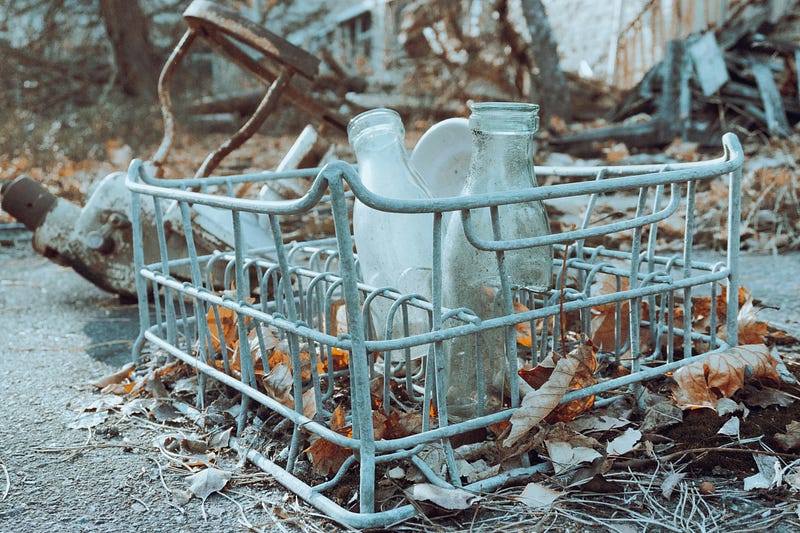
This is where the residents of Pripyat used to shop for their daily needs, but now it is a wasteland of rotting products, rusting shelves, and crumbling walls. The signs and labels still advertise goods that will never be sold or consumed.
"It was like a nightmare. Everything was gone. The people, the animals, the plants. Everything was dead or dying." - A survivor of the disaster.
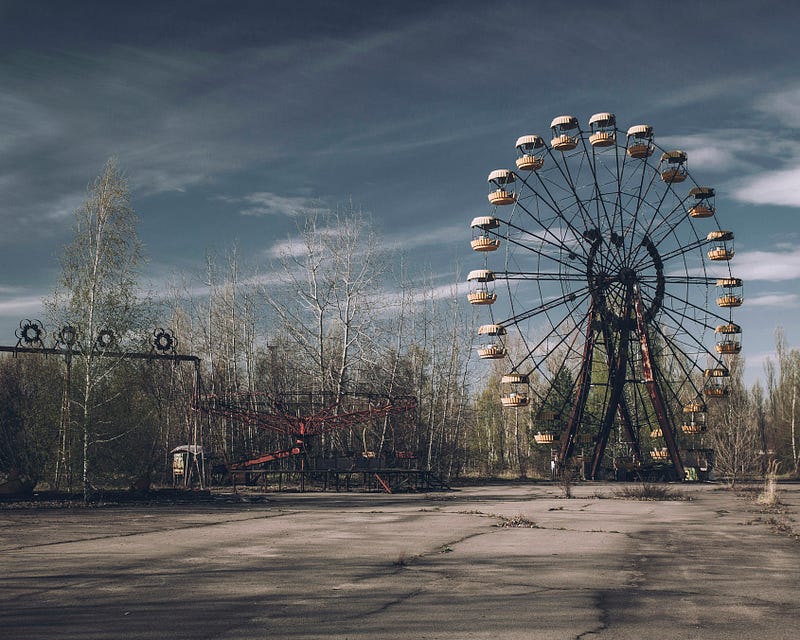
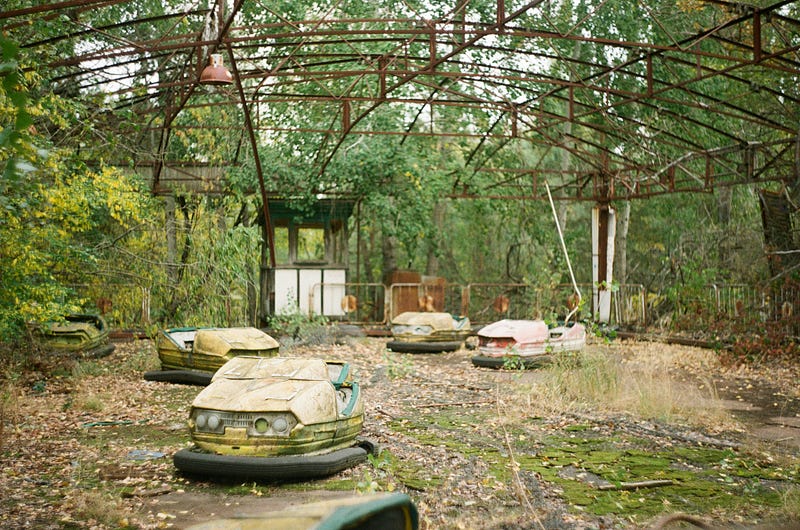
This is the iconic Ferris wheel of Pripyat, and the dodgems which were part of an amusement park that was scheduled to open on May 1, 1986, but never did. The park was meant to celebrate the May Day holiday, but instead it became a symbol of the tragedy that befell the city. The Ferris wheel, along with other attractions, still stand as a reminder of the lost dreams and hopes of the people.
"It was supposed to be a happy day. We were looking forward to the opening of the park. We never got to ride the Ferris wheel." - A child who lived in Pripyat.
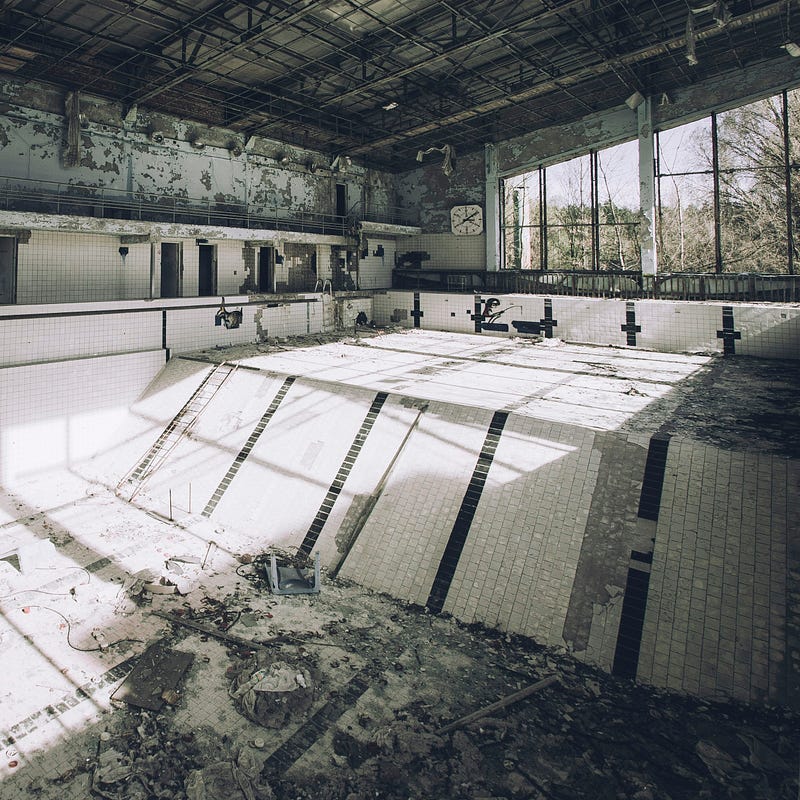
The image above is the swimming pool where the residents of Pripyat used to enjoy their leisure time, but now it is a dry and dusty pit. The diving boards, the tiles, and the graffiti still evoke the memories of the fun and joy that once filled the place.
"We used to swim here every day. It was our favorite place. We had so much fun. We never thought it would end like this." - A friend of a victim of the disaster.
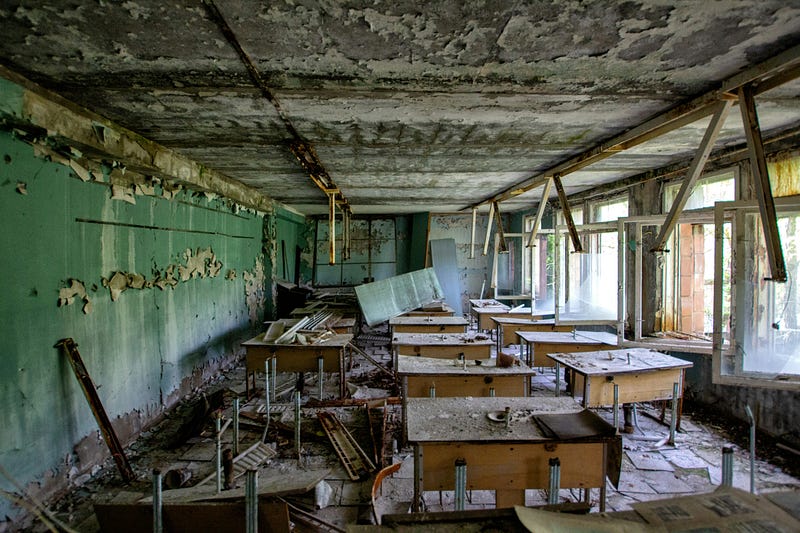
This image is the classroom where the children of Pripyat used to learn and grow, but now it’s a scene of chaos and decay. The desks, the chairs, and the books still bear the traces of the students who left them behind. The blackboard still displays the date of the last lesson: April 25, 1986.
"We were learning about the solar system. We were so curious and excited. We had so many questions. We never got to ask them." - A student who escaped from Pripyat.
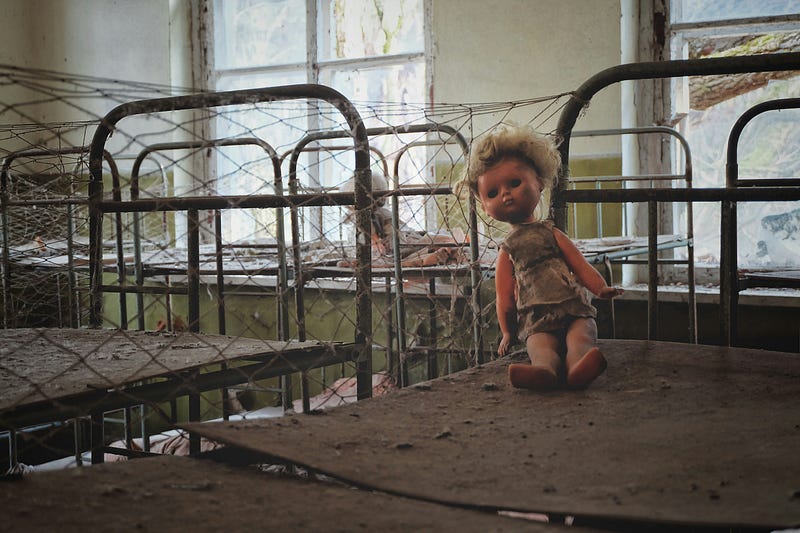
A doll that was once a cherished toy of a child, that is now a haunting relic of the disaster. The doll, along with other personal items, still lies in the abandoned apartments, waiting for the owners who will never return. The doll’s eyes still stare blankly, as if witnessing the horror that unfolded.
"This was my doll. Her name was Anna. She was my best friend. I loved her so much. I miss her so much." - A voice from the past.
It may not be her exact doll in the image, but it also may be! It will home an equally tragic tale either way.
Chornobyl is a ghost town that time has forgotten, but also a place that reminds us of the human cost of the nuclear disaster. The ghost town is a place of sorrow, but also of hope. It’s a place of sad history, and hopefully
it will be home to a happier future . Chernobyl is a memory that deserves to be seen, but also to be respected.
My thoughts and prayers are with all who were affected, and continue to be affected by this horrific event.

Here are my sources for the dialogue used in this story. They aren’t direct links, but you can search by copying and pasting. These are for reference.
Svetlana Alexievich, Voices from Chernobyl: The Oral History of a Nuclear Disaster
Mikhail Gorbachev, Speech on the first anniversary of the Chernobyl disaster
Michio Kaku, Chernobyl: The end of the nuclear dream
National Geographic, Inside Chernobyl’s Mega Tomb
Adam Higginbotham, Midnight in Chernobyl: The Untold Story of the World’s Greatest Nuclear Disaster
I hope you found this insightful. I hope and pray we never experience a disaster like this again.
LunarLinguist