
Chemical Engineering — One of the Toughest Engineering.
Introduction to Chemical Engineering
My Chemical Engineering Experience

Chemical Engineers….
What in the world Chemical Engineers do?
Chemical Engineers develop and deliver new energy resources safely and responsibly. We do make the science, mass, and engineering to make medicines accessible. We make the water to drinkable, make the air breathable, make the environment sustainable, systems reliable. We make discoveries scalable and feasible. So what in the world a chemical engineer does, we take the things which have never been done and get them done for good.
What is Engineering?
The Profession in which a knowledge of the mathematical and natural sciences gained by study, experience, and practice is applied with judgment to develop ways to economically utilize the materials and forces of nature for the progressive wellbeing of mankind.
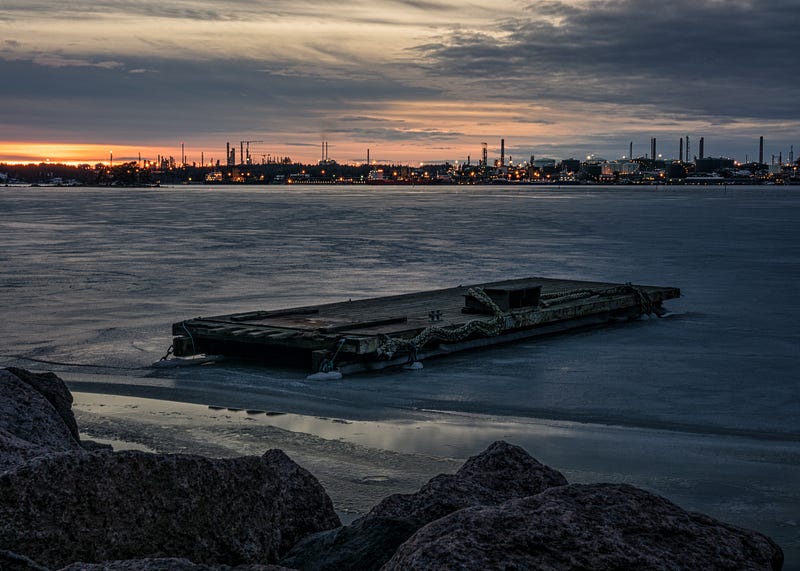
What is Chemical Engineering?
The branch of engineering which deals with the conversion of cheap raw materials of low purity to the useful product of high purity safely by the application of unit operations, unit processes, basic sciences (math, chemistry, physics & biology) and social sciences in an economically acceptable and in an environmentally friendly way.
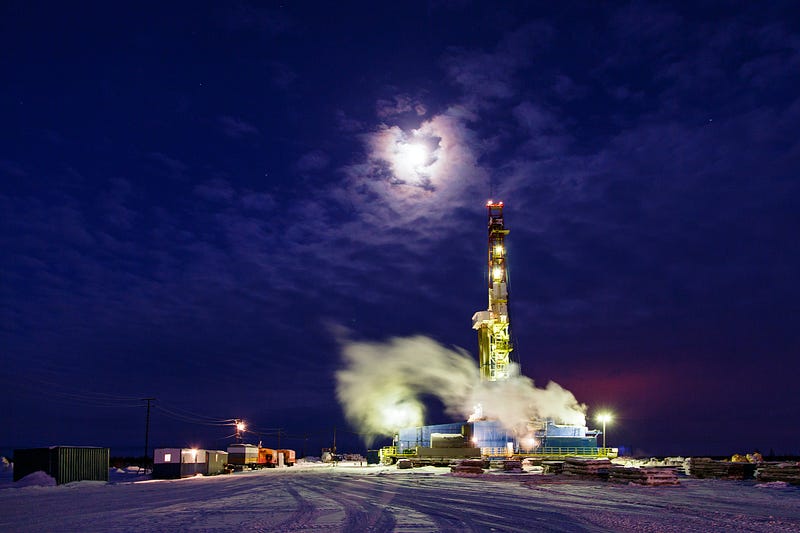
In general, a chemical engineer is one who applies natural sciences in any of its various industrial and non-industrial applications which are as follows:
- Designing of industrial equipment that is used in oil refineries, chemical and fertilizer plants, petrochemicals. These heavy equipment are distillation columns, boilers, reformers, steam turbines, gas turbines, compressors, pumps, and many more.
- Development of new products from petroleum products to medicines, paints, varnishes, and many more.
- Development of new technologies such as membranes, wastewater treatment surfactants, and many more.
Opportunities for Chemical Engineers in diverse Sectors
- Oil refineries convert crude oil into different petroleum products.
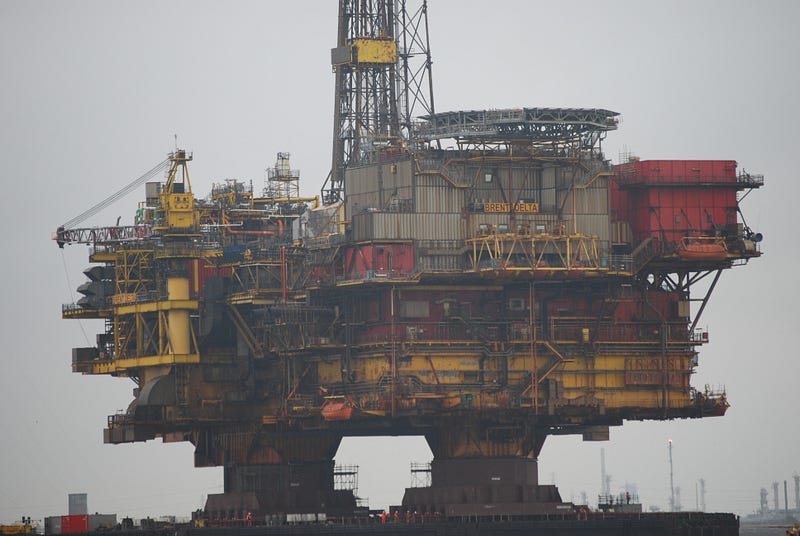
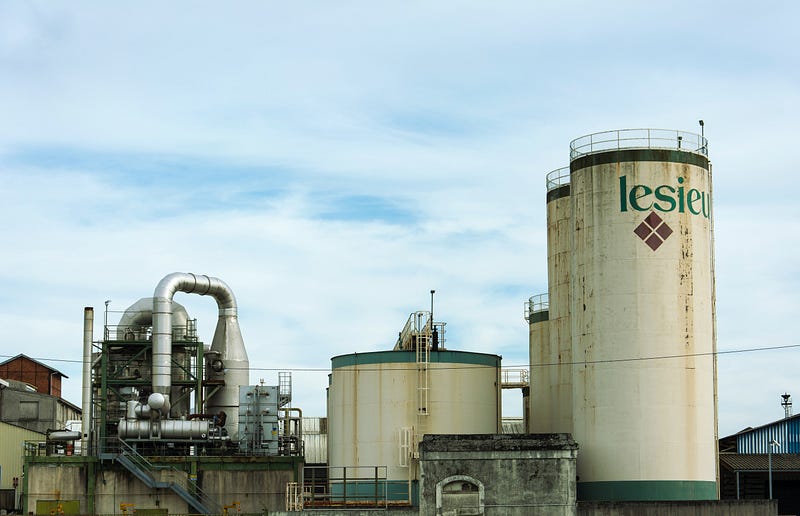
Giant groups of oil refineries are Saudi Aramco, Shell, Total, Exxon, PARCO, MARI, and many more.
- Reduction in environmental pollution.
- In pharma industries, semiconductors and chemicals.
PLOS (PROGRAM LEARNING OUTCOMES) OF CHEMICAL ENGINEERING
Program Learning Outcomes
Twelve Program Learning Outcomes (PLOs) given in the PEC accreditation manual 2014 are adopted for the BE Chemical Program.
1. Engineering Knowledge
An ability to apply knowledge of mathematics, science, engineering fundamentals, and an engineering specialization to the solution of complex engineering problems.
2. Problem Analysis
An ability to identify, formulate, research literature, and analyze complex engineering problems reaching substantiated conclusions using first principles of mathematics, natural sciences, and engineering sciences.
3. Design / Development of Solutions
An ability to design solutions for complex engineering problems and design systems, components, or processes that meet specified needs with appropriate consideration for public health and safety, cultural, societal, and environmental considerations.
4. Investigation
An ability to investigate complex engineering problems in a methodical way including literature survey, design and conduct of experiments, analysis, and interpretation of experimental data, and synthesis of the information to derive valid conclusions.
5. Modern Tool Usage
An ability to create, select, and apply appropriate techniques, resources, and modern engineering and IT tools, including prediction and modeling, to complex engineering activities, with an understanding of the limitations.
6. The Engineer and Society
An ability to apply to reason informed by the contextual knowledge to assess societal, health, safety, legal and cultural issues, and the consequent responsibilities relevant to professional engineering practice and solution to complex engineering problems.
7. Environment and Sustainability
An ability to understand the impact of professional engineering solutions in societal and environmental contexts and demonstrate knowledge of and need for sustainable development.
8. Ethics
Apply ethical principles and commit to professional ethics and responsibilities and norms of engineering practice.
9. Individual and Teamwork
An ability to work effectively, as an individual or in a team, on multifaceted and /or multidisciplinary settings.
10. Communication
An ability to communicate effectively, orally as well as in writing, on complex engineering activities with the engineering community and with society at large, such as being able to comprehend and write effective reports and design documentation, make effective presentations, and give and receive clear instructions.
11. Project Management
An ability to demonstrate management skills and apply engineering principles to one’s work, as a member and/or leader in a team, to manage projects in a multidisciplinary environment.
12. Lifelong Learning
An ability to recognize the importance of, and pursue lifelong learning in the broader context of innovation and technological developments

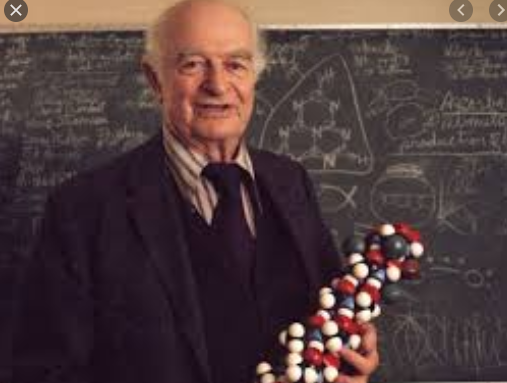
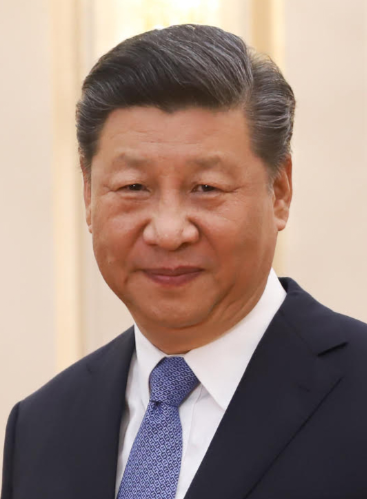
Successful Chemical Engineers
- Xi JinpingChemical Engineering from Tsinghua University
- He is the president of China.
- Mukesh Ambani
- BE Chemical Engineering from Institute of Chemical Technology, Matunga.
- He is the owner of Reliance Industries.
- Linus Pauling
- Chemical Engineering from Oregon University.
- He published more than 1200 papers and books of which about 850 dealt with scientific topics.
- Pauling was awarded the Nobel Prize in Chemistry in 1954.
Designations of Chemical Engineers
- Plant Process Engineer
- Process Design Engineer
- Production Engineer
- Environmental Engineer
- Process Safety Engineer
- Project Engineer
- Quality Control Engineer
- Research & Development Engineer
- Technical Services Engineer
- Sales & Marketing Engineer
- Consultant
Research Areas of Chemical Engineers
Research area for chemical engineers is divided further into two categorize
- Traditional areas
- Modern areas
In the traditional area, we research on undergraduate student’s subjects like fluid flow, heat transfer, mass transfer. In fluid flow, we deal further into multiphase systems and then microchannels.
But in modern research work, we deal with new areas like process intensification, systems and controls, Nanomaterials, drop drying, bioprocessing, materials processing, and many more.
By
Engr. Abdul Rahman
About the author
The author is studying Chemical Engineering from UET Lahore. he is a member in:
- AIChE Internal Student Member
- Catalysis and Reaction Engineering Division
- Chemical Engineering and the Law Forum
- Computational Molecular Science and Engineering Forum
- Computing & Systems Technology Division
- Education Division
- Food, Pharmaceutical, & Bioengineering Division
- Institute for sustainability
- International Society for Water Solutions (ISWS)
- Forest BioProducts Division
- Fuels & Petrochemical Division
- International Society for Water Solutions (IMES)
- Management Division
- Materials Engineering & Science Division
- Nanoscale Science & Engineering Forum
- North American Mixing Forum
- Nuclear Engineering Division
- Particle Technology Forum
- Process Development Division
- SBE Member
- Separations Division
- Sustainability Division
- Sustainability Engineering Forum
- Transport & Energy Process Division


