
Chatter from the Past: The Tale of TransducerML and the Symphony of Sensors
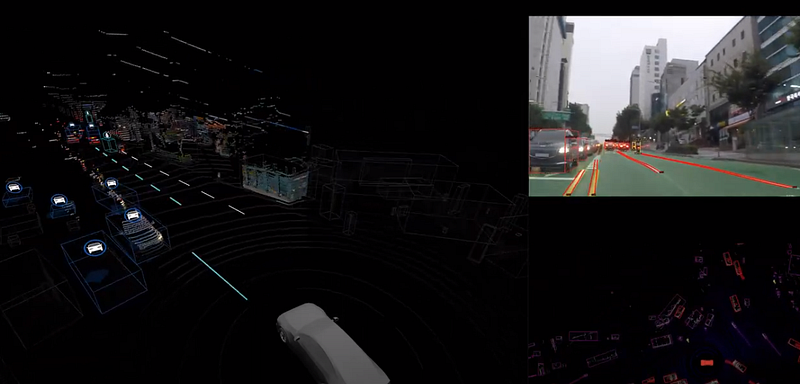
Alright, let’s get techy and talk about TransducerML, or TML for short. It’s like the retired jersey of a sports legend in the world of geospatial standards. Developed by the Open Geospatial Consortium, TML was all about giving sensors and transmitters a common language. Think of it as a translator that helped different gadgets understand each other’s data.
The Gist of TML TML was a big deal because it kept track of the ‘when’ and ‘where’ for sensor measurements and transmitter actions. It was like a meticulous diary for devices, noting down everything from manufacturer details to serial numbers.
Why TML Was a Big Deal Imagine you’ve got a bunch of sensors, each speaking its own dialect of tech talk. TML was like the Rosetta Stone, helping them all chat smoothly. It made sure that data wasn’t just a jumble of numbers but had all the juicy details like calibration info and units of measurement.
TML’s Superpower: Metadata Metadata is like the secret sauce that made TML streams so rich and tasty. It included all the info needed to archive, index, and catalogue data, making it a self-sufficient goldmine for anyone digging into the data later on.
The Trio of TML Descriptions TML had three main parts to its descriptions:
- Physical System: This was about the hardware, like what model your sensor is and its serial number.
- Data System: Here’s where TML got into the nitty-gritty of how the sensors behaved and their sensitivity to the world around them.
- Data Product: The final piece of the puzzle, focusing on the actual data stream, its types, and how to decode it.
TML’s Legacy Even though TML has hung up its boots, its influence lives on. It set the stage for sensors and transmitters to work together seamlessly, paving the way for the smart, connected world we’re zooming towards.
So there you have it, a casual stroll down memory lane with TML, the unsung hero that got all our gadgets talking the same tech language. Stay tuned for more geeky throwbacks and tech tidbits! 🤓✨


