
ChatGPT: Innovative Tool or Copyright Infringer?
The Fine Line Between Inspiration and Infringement in AI
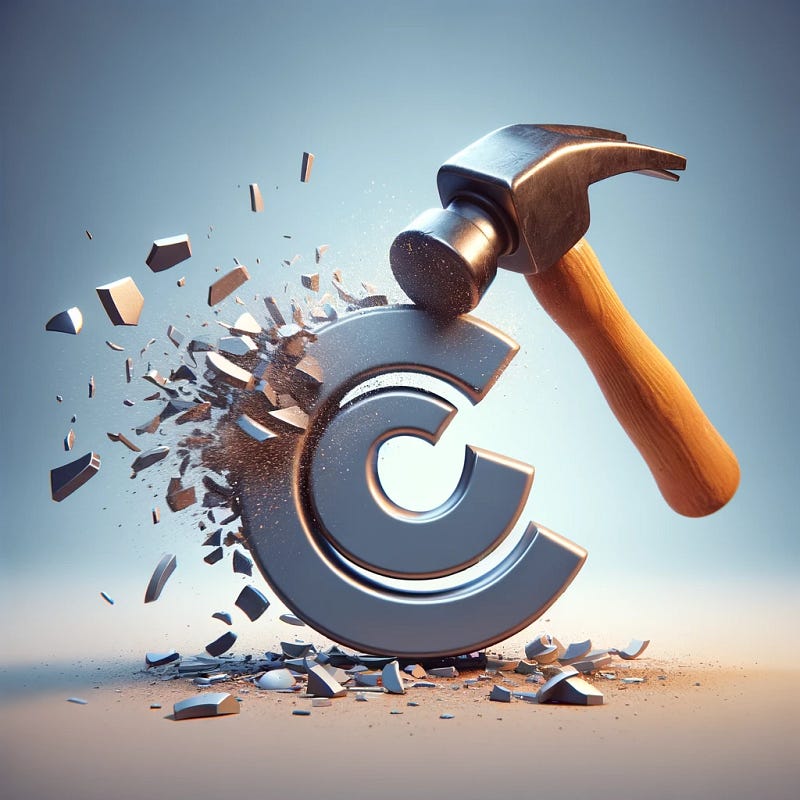
ChatGPT is like a Swiss Army knife for words; it can write poems, solve math problems, and even crack a joke. But there’s a big question hanging over this jack-of-all-trades: Is it stepping on the toes of the people who write for a living? This article digs into whether ChatGPT is a shiny new tool for us to play with or if it’s crossing the line into the world of copyright infringement.
The Rise of ChatGPT
Not too long ago, ChatGPT burst onto the scene, turning heads with its ability to churn out everything from essays to computer code. People from students to CEOs are finding it super handy. It’s like having a little helper in your computer, ready to pitch in with whatever you’re working on. But with great power comes great responsibility, and not everyone’s convinced we’re using this tool wisely.
ChatGPT’s popularity isn’t just hype; it’s being used in real-world jobs, from writing ads to helping lawyers. Its users say it’s like a spark of inspiration, giving them a boost when they’re stuck. But as ChatGPT gets more popular, some are wondering if it’s playing fair in the sandbox of ideas and creations.
Understanding Copyright Laws
Copyright laws are there to make sure that when someone creates something original, like a book or a song, they get to control who uses it. These laws are a big deal because they protect creators, making sure they can earn money from their work. But here’s the twist: how do you handle something that creates like a human but isn’t one?
Right now, the law isn’t clear about whether stuff made by AI should be treated the same as stuff made by people. ChatGPT can spit out a story in seconds, but if that story sounds a lot like one that’s already been written, that’s where the lines get blurry. We’re still trying to figure out if AI should play by the same rules as everyone else.
ChatGPT and Creativity
ChatGPT has a knack for coming up with things that seem fresh and new. But sometimes, what it comes up with is a little too close to something that’s already out there. The big question is: can an AI really be creative, or is it just really good at copying?
Some folks say that because ChatGPT learns from stuff people have already written, it’s bound to come up with things that look familiar. But others argue that since it’s mixing and matching bits from all over the place, the end result is something new. It’s like making a smoothie — you put in bananas and strawberries, and you get something totally different from what you started with.
The Case for Innovation
Supporters of ChatGPT say it’s the best thing since sliced bread. Writers use it to get past writer’s block, teachers use it to come up with new ways to explain tricky topics, and businesses use it to dream up new products. It’s a bit like a brainstorming buddy that never gets tired.
What’s more, some people think that ChatGPT could help us become even more creative. By doing the heavy lifting, it lets us focus on the big picture and come up with ideas we might never have thought of. Imagine a tool that takes care of the boring stuff so we can spend more time dreaming and doing.
The Case for Infringement
But it’s not all sunshine and rainbows. Some writers and artists are worried. They see ChatGPT spitting out work that looks a lot like theirs and think, “Hey, that’s not fair!” If someone can ask an AI to pump out a story that’s similar to yours, what’s to stop it from replacing you?
There have been cases where ChatGPT has created content that’s a bit too close to existing work, and this has sparked lawsuits and heated debates. If you’ve spent hours, days, or even years pouring your soul into a piece of writing, it’s easy to see why you might feel cheated if an AI can mimic your style in an instant.
Striking a Balance
So, where do we draw the line? It’s a tough call. On one hand, we want to encourage cool new inventions like ChatGPT. On the other, we have to make sure that people who create stuff are getting a fair shake. It’s about finding a middle ground where AI can help us without stepping on our toes.
One idea is to make sure that people who use AI tools like ChatGPT do so in a way that’s fair and respects the original creators. It’s a bit like using quotes in a research paper; you can use them, but you have to give credit where credit’s due. Maybe we need something like that for AI, where the AI knows where it got its ideas from and can give a nod to the original creator.
ChatGPT is like a new color in the palette of tools available to us. It’s dazzling and has a ton of potential, but we’re still learning how to use it responsibly.
As we move forward, it’s important for everyone — programmers, users, lawmakers, and creators — to come together and figure out the best way to use AI. That way, we can enjoy the benefits of this awesome technology without dimming the light of human creativity.