
ChatGPT can now Talk, Listen and View Images — OpenAI’s Gamechanger release
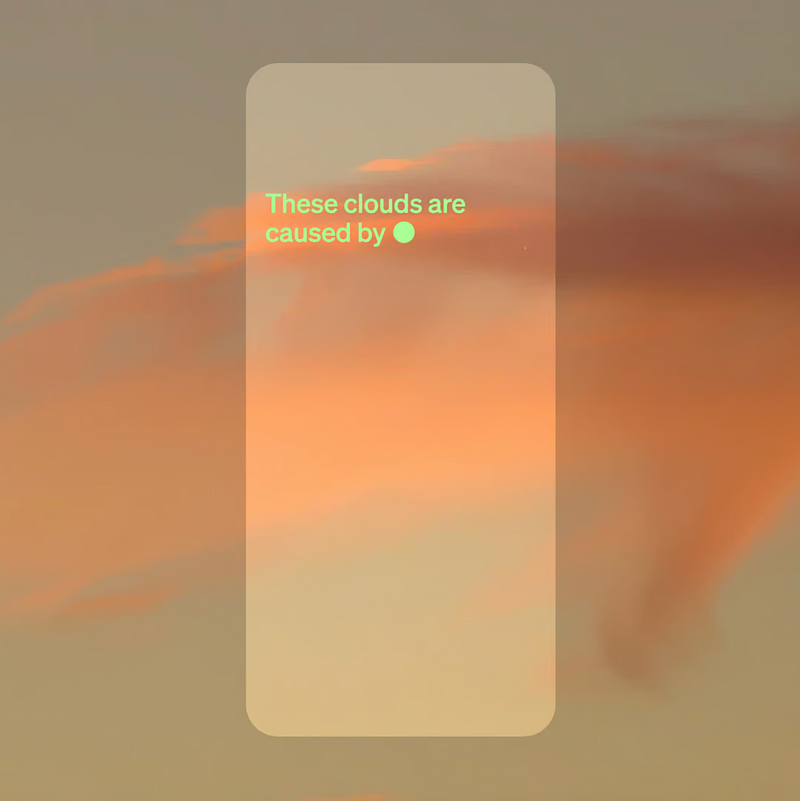
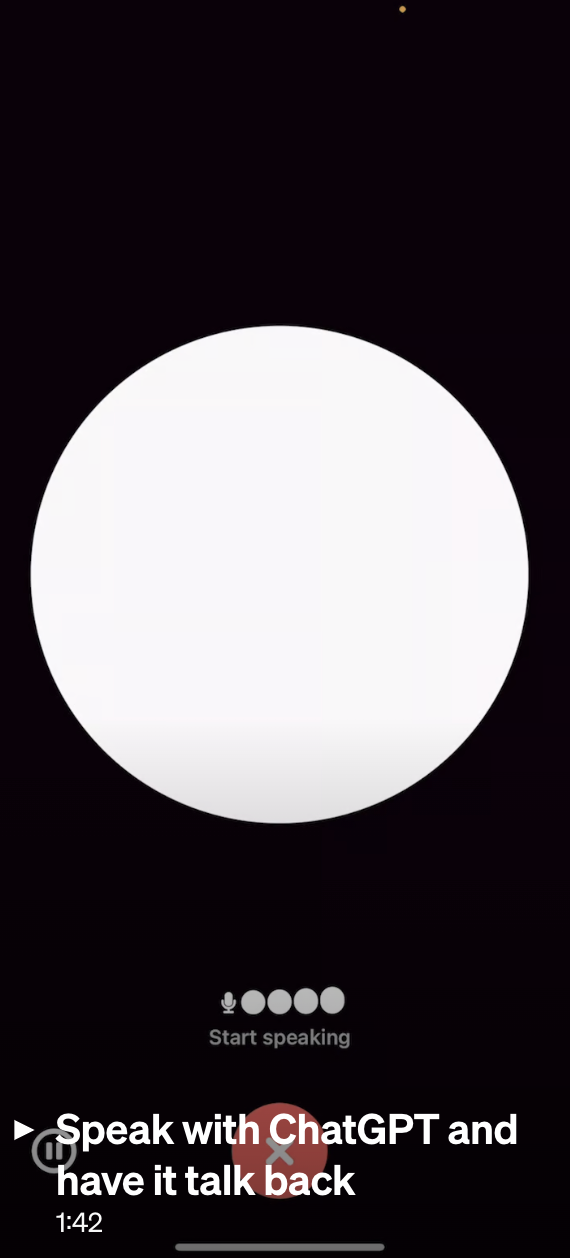
OpenAI is rolling out new features that will let you talk to ChatGPT and show it images, opening the door to new types of interactions — and potentially new types of misuse.

In the superfast-evolving landscape of artificial intelligence, OpenAI’s ChatGPT has stood as a harbinger of innovation. They are not just pioneers but also continuously pushing the boundaries of human-AI interaction. Now, with the rollout of groundbreaking new features that allow ChatGPT to engage in conversations with users while interpreting images, the possibilities and challenges have expanded exponentially. Users were yet to fully unleash the power of the basic ChatGPT, and boom there was Jailbreak which literally turned the bot on its head and now, a new release.
The Emergence of a More Versatile ChatGPT
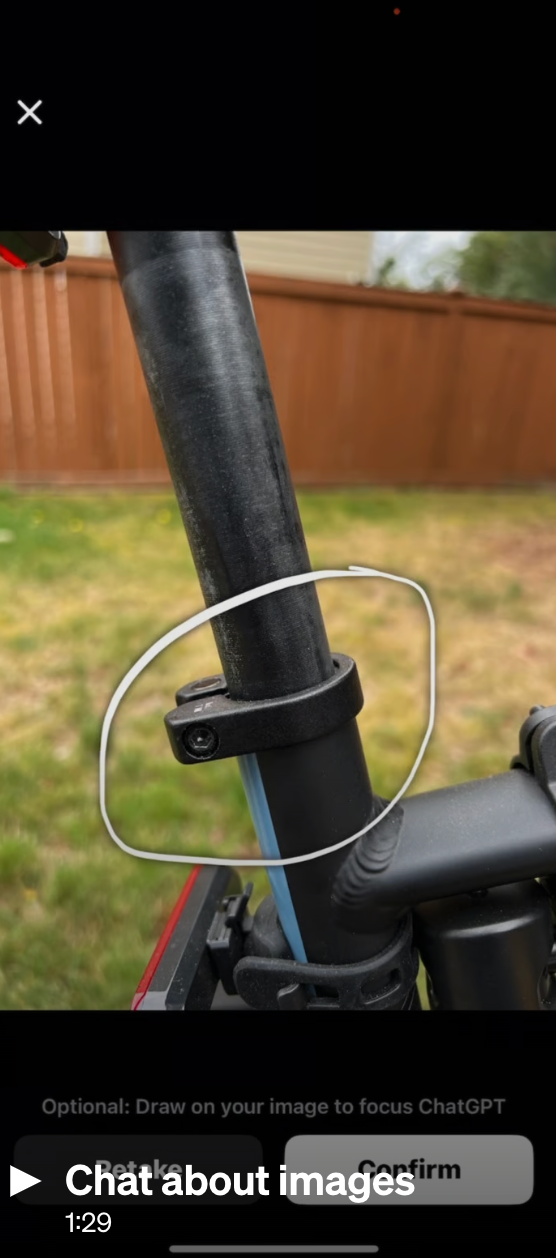
OpenAI’s journey with ChatGPT began as a text-based conversational model. However, recognizing the limitations of text-only interactions, OpenAI has unveiled a game-changing feature, enabling ChatGPT to process and respond to images shared in conversations. This evolution represents a significant leap forward in bridging the gap between AI and human communication.
The Power of Visual Context
The inclusion of images in conversations with ChatGPT opens up a world of creative and practical applications. Users can now share images to provide visual context to their questions and prompts, leading to more nuanced and accurate responses. This enhancement has broad implications across various domains:
1. Educational Assistance: Students can seek help with homework by sharing images of complex math problems, diagrams, or historical artefacts, allowing ChatGPT to provide detailed explanations.
2. Content Creation: Writers, designers, and marketers can brainstorm ideas and seek feedback by sharing visual concepts, making the creative process more dynamic.
3. Problem-Solving: Engineers and professionals can troubleshoot technical issues by sharing images of error messages or equipment configurations, enabling ChatGPT to offer relevant solutions.
4. Entertainment: Gamers can engage in more immersive and interactive storytelling experiences by sharing in-game screenshots or concept art.
With the new capabilities of ChatGPT, I don’t see anything stopping OpenAI from building a Siri-Alexa-Echo-esque device.
Past Use and Misuse of ChatGPT
While the addition of visual context brings immense potential, it also raises concerns about misuse. ChatGPT, like any powerful tool, has been subject to both innovative and, at times, irresponsible applications:
1. Innovative Use Cases: ChatGPT has been employed in creative ways, from generating art and poetry to assisting with programming tasks. Its versatility has made it a valuable tool in various professional and hobbyist endeavours.
2. Misinformation and Disinformation: Some users have exploited ChatGPT to spread false information or engage in trolling. This includes generating misleading news headlines, fake product reviews, or provocative content.
3. Harmful Content Generation: ChatGPT has, at times, generated content promoting self-harm, hate speech, or illegal activities, highlighting the ethical challenges of AI content generation.
4. Privacy Concerns: The capability to interpret images raises privacy concerns, as it allows for the sharing and interpretation of potentially sensitive visual data.
OpenAI’s Commitment to Responsible AI
In response to these challenges, OpenAI remains steadfast in its commitment to responsible AI deployment. It recognizes the importance of balancing innovation with safeguarding against misuse. OpenAI has implemented measures, including the use of Reinforcement Learning from Human Feedback (RLHF), to reduce harmful and untruthful outputs.
OpenAI encourages user feedback and vigilance in reporting misuse, iteratively improving ChatGPT’s default behaviour and deploying more advanced AI moderation tools to mitigate harmful content.
The integration of images into conversations with ChatGPT signifies a monumental step forward in human-AI interaction. It promises to revolutionize fields from education to content creation, making AI a more versatile and valuable tool for users worldwide.
However, with this expansion of capabilities comes an increased responsibility to use ChatGPT ethically and responsibly. OpenAI’s ongoing efforts to address misuse and improve default behaviour serve as a testament to its commitment to ensuring the benefits of AI are harnessed while minimizing its potential for harm. As we continue to explore this brave new world of AI-augmented visual conversations, striking the right balance between innovation and responsibility remains the collective challenge and obligation of our time.


