
ChatGPT and Mental Health: Can AI Be a Therapist?
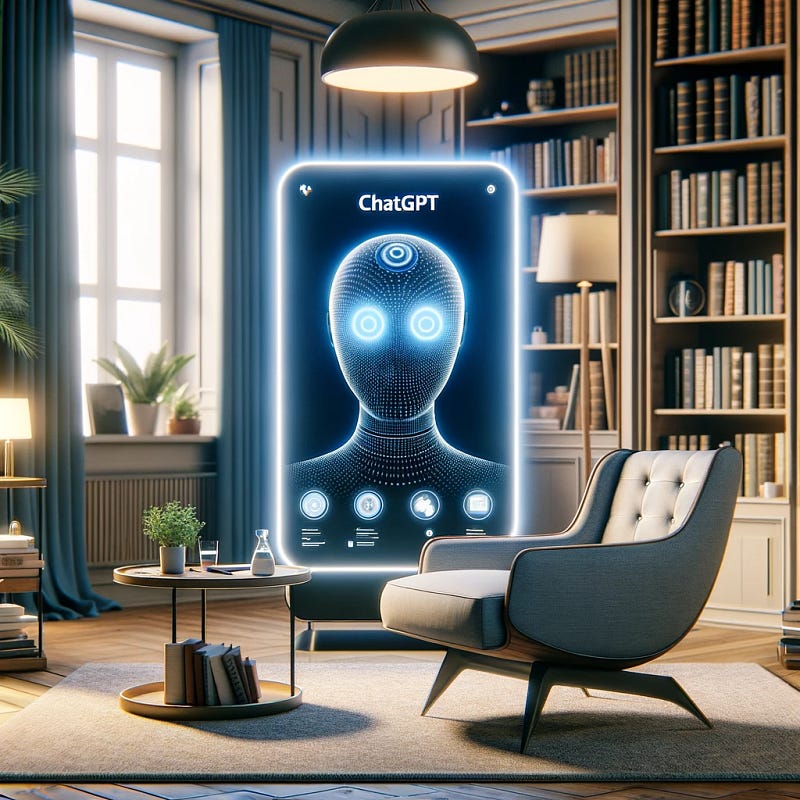
At the start of 2023, I remember coding late into the night, the soft glow of my monitor the only light in the room. That was just a routine for me, as may it be for other developers. But that night was different; I felt a wave of anxiety and stress wash over me. I wished for someone, or perhaps something, to talk to. That’s when I began pondering the role of AI in mental health. Could an AI, like ChatGPT, ever fill the shoes of a therapist? Could it help me?
The Rise of AI in Mental Health
AI has made significant strides in various fields in recent years, and mental health is no exception. Powered by AI, apps like Woebot and Wysa already offer emotional support. But ChatGPT is a different beast. It’s advanced, conversational, and surprisingly empathetic. So, can ChatGPT act as a therapist?
Understanding ChatGPT’s Capabilities
ChatGPT is not just a chatbot. It’s a sophisticated language model that can mimic human-like conversations, provide information, and even offer emotional support. Its ability to understand context and respond conversationally makes it a potential candidate for supporting mental health.
Pros:
- Accessibility: ChatGPT is available 24/7, making it a convenient option for people seeking support anytime.
- Anonymity: ChatGPT offers a degree of anonymity for those uncomfortable with face-to-face therapy.
- Consistency: Unlike humans, ChatGPT doesn’t suffer from mood fluctuations or biases, offering consistent responses.
Cons:
- Lack of Empathy: While ChatGPT can mimic empathetic responses, it doesn’t truly understand human emotions.
- Limitations in Understanding: ChatGPT may only sometimes grasp the complexities of human psychology.
- Ethical and Privacy Concerns: Storing sensitive mental health data and ensuring its privacy is a significant concern.
The Developer’s Perspective
Studies have shown that AI can be effective in providing mental health support. For instance, a study published in the “Journal of Medical Internet Research” found that participants reported reduced depression symptoms after interacting with a mental health chatbot for two weeks.
As a developer, I see immense potential in integrating AI into mental health. However, it’s crucial to recognize its limitations. AI can support, but not replace, human therapists. It can be a first step or a supplementary tool, but the human element in therapy is irreplaceable.
Chat-GPT doesn’t work as you may expect. It doesn't understand your thoughts or your emotional context (as some people may) — it only understands language, text, words, and letters. Intelligent algorithms take your text and try to figure out the appropriate output. But how helpful is that? In other words — AI can’t help you, but it can imitate the help, which can sometimes be enough.
What the Future Holds
Imagine a future where AI and human therapists work hand in hand. AI could handle initial assessments or support mild cases, while human therapists focus on more complex situations. The synergy could revolutionize mental health care. We’re not there yet, but be ready.
Your Thoughts
I’m curious to hear your opinions. Do you think AI can play a significant role in mental health? Have you ever used ChatGPT or similar AI for emotional support? Share your experiences and thoughts in the comments. Let’s explore the future of AI in mental health together.
As a developer and an AI enthusiast, I believe we’re just scratching the surface. The possibilities are vast, and the journey has just begun.
Subscribe for new articles and follow me on social media:
Subscribe | LinkedIn | Twitter | Support me