
Chasing A Slave Trade Ship
Chapter One
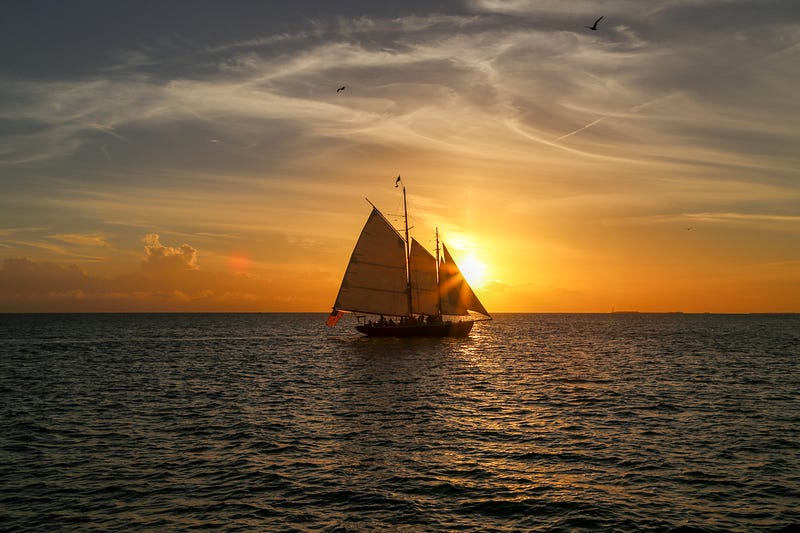
A Warship in the Gulf of Guinea
June 1817.
In the eastern horizon of the Gulf of Guinea, the first ray of red sunlight starts to rip off the darkness of the sky like a sabre. This ocean space belongs to the northeastern part of the Atlantic Ocean. Bemoaning at the opaque blue water of the gulf won’t give anyone the slightest hint that how violent it becomes during storm surge and high wind gusts. In such picturesque backdrop of early morning, the silhouette of a warship has resumed to glow.
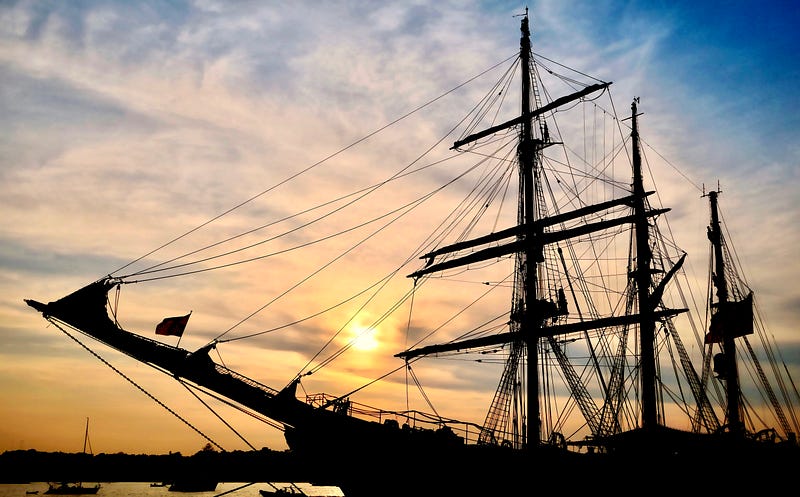
Glittering black muzzles of the guns of this British sailing warship have been projecting from all of twenty-two yawning wide gun ports. On the aft-side of the warship, its name is visible in silhouette- HMS Madhumati.
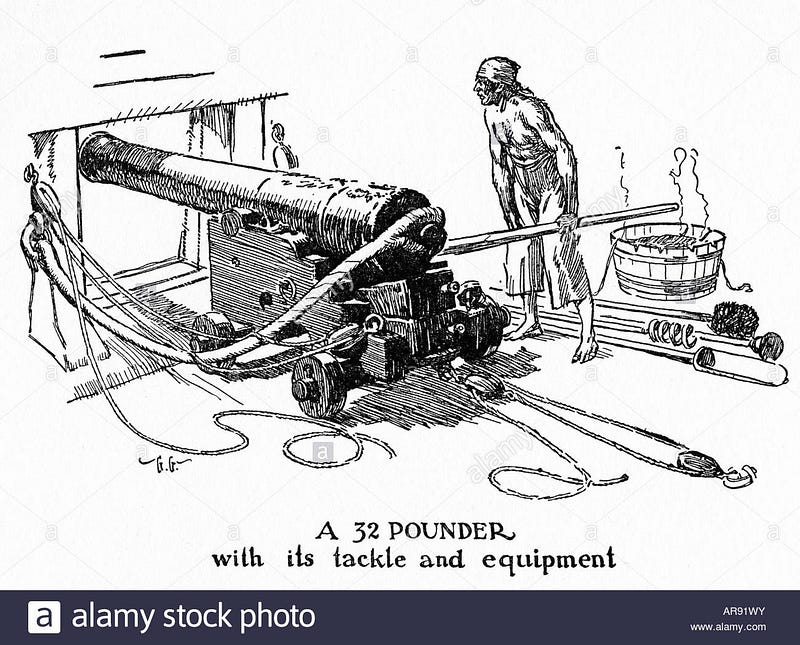
This wooden-masted warship is a twenty-two cannon Royal Navy ship under the Command of Captain Benjamin Brown. The 120 feet long ship has been armed with twelve 32-pounder smooth-bore cannon and ten 9-pounder cannons as chase gun. This Royal Navy ship has been cruising in the Gulf of Guinea with an assignment of hot pursuit.
Hot Pursuit
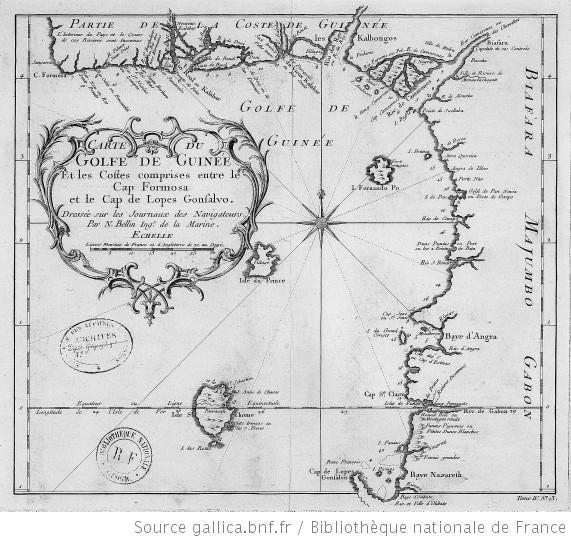
Captain Benjamin Brown, bends over a fixed wooden table on open deck, sifting through a French navigation chart on the Gulf of Guinea. He is commandeering HMS Madhumati. For a Royal Navy Captain, chasing slave-trade ship is not similar to fight with any Spanish armada. Taking sips of hot Darjeeling tea, the Captain has been trying to gather information about this part of the Atlantic Ocean from the navigational signs and symbols of the Chart.
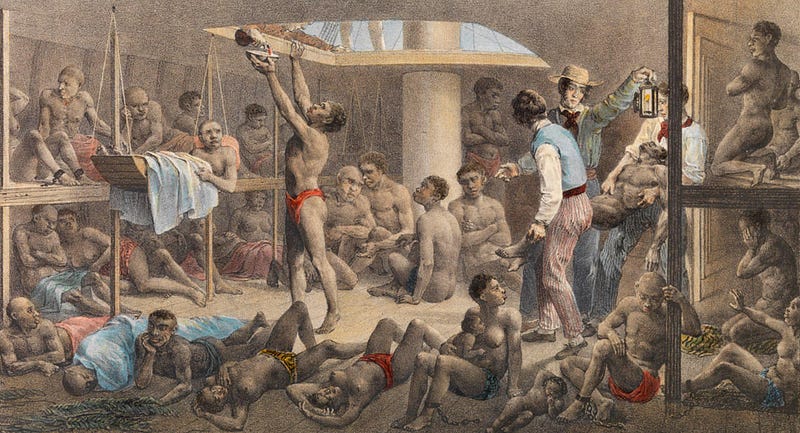
Since 1808, the British Royal Navy has been trying to curb intercontinental slave trade and smuggling activities. Captain Brown, HMS Madhumati and its crews are part of this blockade effort. This task is mandated by the 1807 Act Prohibiting Importation of Slaves. Other than the United States, several powerful European states and empires have already joined the efforts to stop slave smuggling. A hopeful negotiation has been going on to change America’s ‘sitting in the sideline’ role on curbing slave trading.
(End of Chapter One)
Disclosure
All the characters, events, ship name and description of historical events are entirely fictional. This fiction story is purely fictionalized history.