Charlie and the Computer
A lesson in character
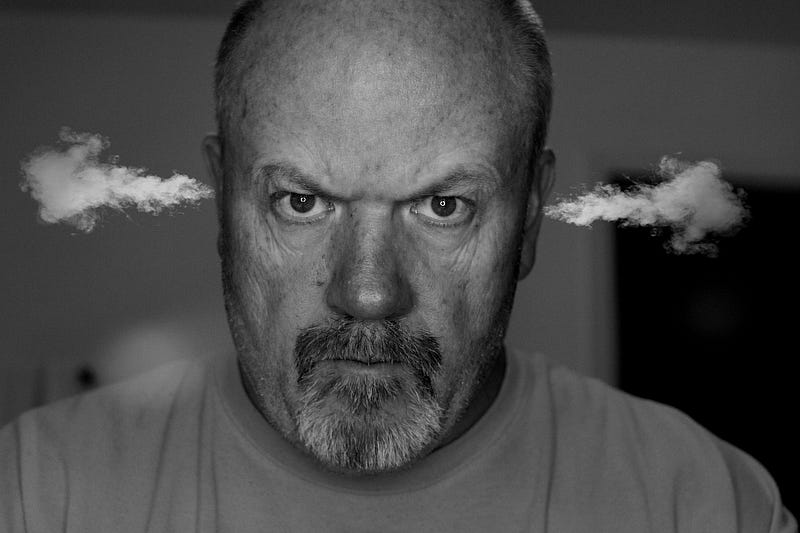
The well-dressed older gentleman named Charlie asked for computer help to fill out an application. Charlie admitted he never used the internet and barely knew how to answer his smartphone. It was part of my job to help patrons of the library when they needed help on the computers, and this was a man who’d been friendly and conversational whenever he’d made his weekly visits to check out the latest John Grisham novel or sci-fi adventure. Charlie was intelligent, had served as a captain in the Navy and could tell you wonderful stories about his life.
But Will Farrell once said: “Before you marry a person, you should first make them use a computer with slow internet to see who they really are.” This applies to just about anyone you are contemplating spending any time with in your life. And on this Saturday morning, this gentleman was about to show his true colors, his real self.
I asked Charlie if he had an email address. He said no, because he doesn’t use the computer. He said he had gone to apply in person and was told he must apply online, and that was the only reason he was here.
The application he needed to fill out requires an email address, so I knew he’d need to get one of those first. In retrospect, I should have just set him up with one and then given him the password, which he could change later if he needed to. But Library Policy says we help the patron learn the skills, not do everything for them. Charlie’s typing skills were minimal, we were working on the email address, and he was becoming frustrated already.
I could feel the tension building in his shoulders, his back, his breathing, and his body language, and we hadn’t even started on the process of actually applying. Charlie was embarrassed at having to ask for help. As a decorated veteran, an intelligent person who’d made a success at his career, it was difficult for him to admit to others that he was not able to accomplish this for himself.
A person’s character-who they are deep down-is revealed in life situations like this. Charlie’s embarrassment manifested itself as anger, impatience, and a refusal to continue the process. He got up abruptly and said he’d figure out another way to get this done. He never apologized or thanked me for trying to help. That’s okay.
We all start out where you are, Charlie. I believe that how we react shows our true character to ourselves and others. Which makes me wonder: is it possible to change our true character? What do you think? I’d love to get your input.


