
Charles B. Aycock’s Legacy’s Lessons
This article is part of a series of articles on Charles Brantley Aycock, his legacy, and the tricky way to cope with two sides of an influential man. This three-part series was published in three segments throughout September, of which this is the conclusory post.
- Part I, on Charles B. Aycock’s race violence moment, here.
- Part II, on Charles B. Aycock’s education moment, here.
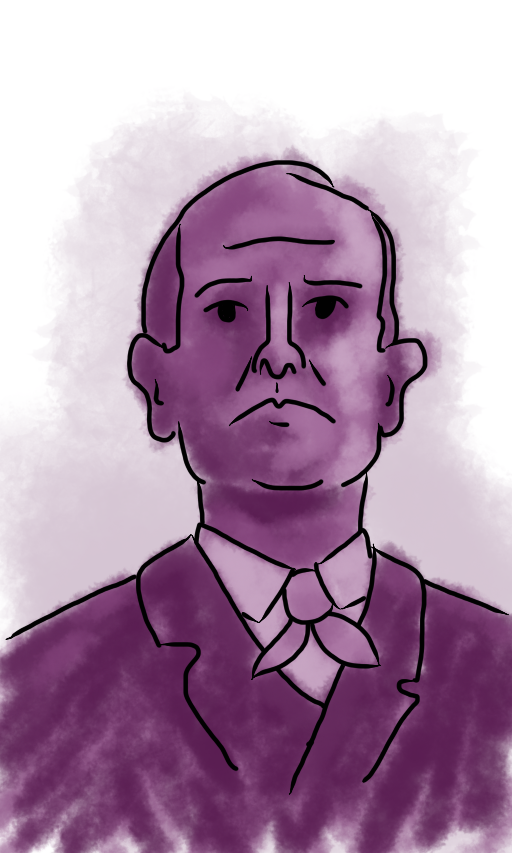
My two articles on Charles B. Aycock serve to show two mostly-different sides of the same man. Aycock was a racist, no doubt about that. Yet he helped to impact an education system trajectory in North Carolina that modernized NC education in 1900 and helped create an eventual interest in the UNC school system. His ideas about education may have been informed in no small part due to his deep-seated racial views, but the sheer amount of schools he built during his tenure is remarkable.
So how in the world do we marry these two legacies that may seem divergent: one of a man against progress and one of a man in favor of it; one of a white man encouraging violence against Black men and one of a governor encouraging all North Carolinians to learn; one of an orator discussing the completely false tide of incoming “Negro domination” and one of a law student volunteering at public schools while not in class?
Ultimately, we ought not focus on people as an ideal or essential. There will always be a less-than-ideal side of them, and in many cases, these positive impacts may very well have darker causes or modalities. Aycock never had the illusion of perfection, of course, but he was a human and held his beliefs to his grave.
It does make it a bit strange and awkward for future generations attending schools or driving down streets named after men who might have had at least some part of their obscured racist legacy now revealed. Racism and inciting racist violence are, of course, a despicable belief and horrible action, but Charles B. Aycock did more for education overall in North Carolina than any other governor ever.
That Aycock’s dying words didn’t mirror his New York Democratic speech in 1896, and instead ended on “education” is not insignificant. Of course, his racism is not diminished by the fact that education was his ultimate value.

The current governor of NC, Pat McCrory, may inhabit some similar ideology as Aycock, though he doesn’t express it as willingly as Aycock did, nor has McCrory incited direct violence against Blacks. Under McCrory, though, education in North Carolina has continued to be an embarrassment on the national stage. Teachers are paid little, public schools are funded by the property taxes of only the communities they serve, and charter schools are continuously put forward as a solution though they have done little to improve education in North Carolina.
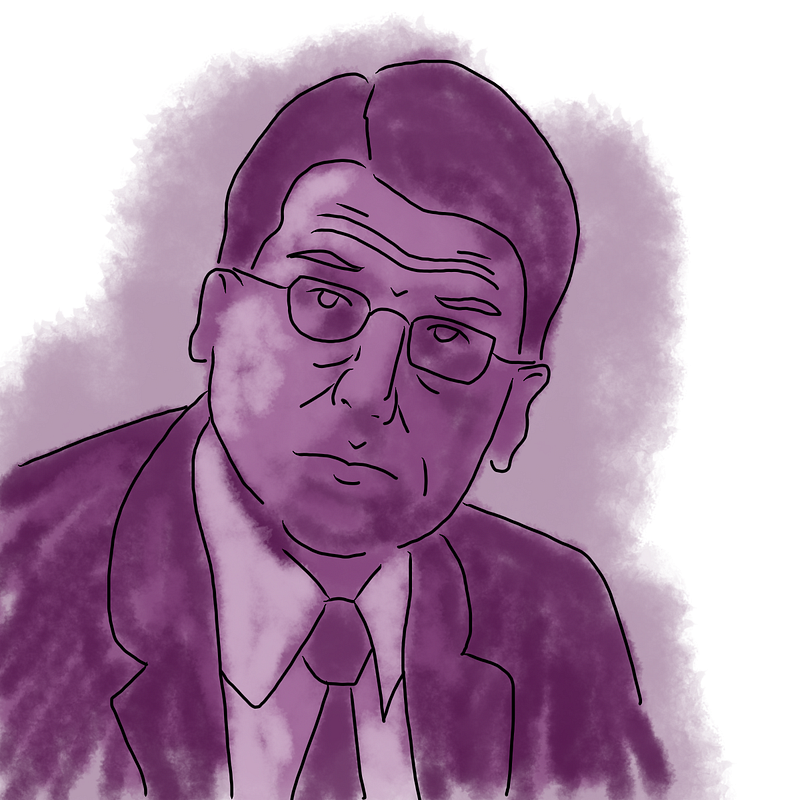
McCrory won’t be remembered for his education policy, nor will UNC system students dig into his past and find his overt work to encourage the Redshirts to commit violence. Instead, he will be forgotten for his inability to fix a plethora of problems that have worsened or appeared under his rule or he may be remembered for the catastrophic first year of Republican-held state legislature.
Humans are complex entities and it is as difficult to essentialize one person as it is to generalize about the entirety of the human race.
The truth is that Aycock was just as complex as any of us, and his mixed legacy marks this pretty well. None of this is intended as a defense of his legacy, which seems to be increasingly more tarnished by the racist policy and actions he took, but the reality is that each of us will have to decide just how much negative can disqualify the good.
Thank you for reading the final excerpt of a three-part series on Charles B. Aycock’s mixed life. Stay tuned for more of my writing in October about Atlanta’s history.


