
Changing Office Work-Life Balance Innovations from the Past to Now
Lessons from no work-life balance to blending work and life
With my first career in my early 20’s (in the 1990s), I had goals to move up the hotel sales office work ladder. I worked ten or more hours each day.
Plus, weekends when I had events, manager on duty weekend shifts, or Saturday sales duty. I had so many obligations for someone earning peanuts after counting up my hours and then dividing from my earnings.
I had no work-life balance. I had no life.
After doing that miserable existence for a few years feeling unfulfilled, I decided I wanted to change direction. I left my job and risked all I had with no income and accumulated debt.
I switched careers for the life I dreamed of having, or anything better than the one I just left.
In the year 2000, when I entered the technology industry I felt born again in many ways. It was in the post-dot com era that those already immersed in technology consumed their dampened mood and innovation minds.
I was brand spanking new to the technology office world, so relative to my perspective, the concerns sounded like opportunities.
All I knew was that my life had all of the sudden changed for the better in this new breath of fresh air environment.
As no exaggeration, I felt like I won the lottery and my life changed overnight.
I wanted to shout out my joy and to tell my new co-workers how great I felt but refrained so they didn’t think that I wasn’t worthy of being there.
But inside myself, I did a happy dance every day in my mind as I slept in to a decent morning hour and got ready for the day.
Existence Before Experiencing Work-Life Balance
From time to time, I would reflect on my past career life when I had to get up no later than 6 am before the crack of dawn.
If you’re not wired to wake up early, that’s a daily grind in itself. With an alarm blaring like a drill sergeant giving you marching orders to get moving.
Before leaving the house those mornings, I checked to make sure that no strings were hanging from my suit or that a button hadn’t fallen off that I’d have to live with for the day. Then using a final touch lint roller, and then rolling myself out the door.
My mind still wasn’t fully awake yet, more than half-asleep. Coffee shops and Starbucks weren’t hip like today, so I never drank coffee back then.
And my work was expecting me whether or not I was having a good morning, or else I knew there would be a huge problem with my co-workers.
I needed to put on a happy face as that was part of my job to win and keep in-house clients happy. I had to book and cook the business (as we used to say). The hour-plus long drive to work without delays and accidents, gave me that preparation time to get in the right attitude.
When I got to work, I had to immediately be “on” and I never knew what I would be walking into.
I could never be fully prepared for the dozens of problems or fires that I could potentially face. You could have complaining clients or co-workers, alarming voicemails, and first-thing phone calls that you couldn’t roll into a mobile device.
We didn’t have cell phones (as most people didn’t back then).
Your boss could call you in before you had a chance to settle in for the day.
And then as the afternoon entered, my daily life calmed. There was a little more freedom.
But, I still forgot about any personal life I had until the workday ended. I counted down the final minutes before I could officially leave at 6 pm.
Because by then you didn’t have any more energy or brain power to put into a new project or client.
You never wanted to leave right on time because your office light out meant you left for the day and you weren’t serious about your job after already working or slaving away 10 long hours.
That was actually a message conveyed to us by management.
As my first career, I didn’t know any better. I just knew there had to be a better work-life existence.
Welcoming In New Work-Life Balance
My adult work-life transformed to a better one in the technology industry years later, where I felt like a normal human being again.
I didn’t have daily up and down work problems and I wasn’t attacked by any number of co-workers plotting against me. Everyone peacefully did their office work and then left for the day. I didn’t have to earn my stripes.
I could breathe again.
In this new work life, I eased into the morning after I enjoyed being productive planning in a quiet morning, and chit-chatting with co-workers about something other than work.
I did have some travel and early mornings, but they were all manageable and I knew long in advance. If you are a planner like I was and am, then this work-life was a dream.
The technology office I worked at provided flex time (and most do in the industry) which meant you could go in later than regular office hours and change your schedule as you needed.
And you always went home at a decent hour. Most everyone had left the office by 5 pm and that was the accepted norm. The office personnel made office life better, as almost every day there was breakfast or lunch brought in that you looked forward to.
If you had a doctor’s appointment or something important to attend, you could use your time off, and not worry about coming back to a problem.
You had a balance at work and away, where you could enjoy your vacation time off without your work bothering you. You could take a real vacation.
This sustainable career took away the daily stress and any long-term stress, providing vacation benefits that the employer encouraged employees to use. In my previous career life, I had to carefully schedule any vacations as they were rare.
I vowed never to go back to that earlier career life that I so vividly remembered, had caused my first gray hair at 25 years old.
Work Blending Into Life Balance
Fast forward to now, Millennials have surpassed my Gen X generation of employees in the workforce. About a year ago, I was working in one specific association office where this fact was apparent.
And, where work-life has become an extension of home life (WFH).
No longer are office employees (the ones still going in) wearing professional attire to work. Unless there’s an important event or person coming, dressing up rarely happens.
Offices don’t have casual or blue jean Fridays. I’ve seen every day is either casual, streetwear, or what you would wear at home. Anything goes except for shorts and flip-flops, and even a dressed-up pair could pass. I’ve seen nose rings and visible tattoos.
Diversity is embraced.
Getting morning Starbucks coffee seems to be a normal ritual. Lunch breaks are an hour long plus flexible personal time.
When you think about it, there’s not much you can do in 30 minutes especially in metropolitan areas, besides stand in line and bring back a meal.
Workers appear to disappear in the afternoon to run errands, go home to walk the dog or spend time with family. And then check back in with the office.
You‘re connected through your mobile devices. You could check email away from the office.
Employees work fewer hours in the office if their boss isn’t around, and more time from home.
Meetings are happening more often, daily, and every minute. There are meetings about meetings and how to use applications. There are Zoom and Webex conference calls and people dialing in as the new normal.
People work remotely as most communication can happen on the computer through IMs or DMs.
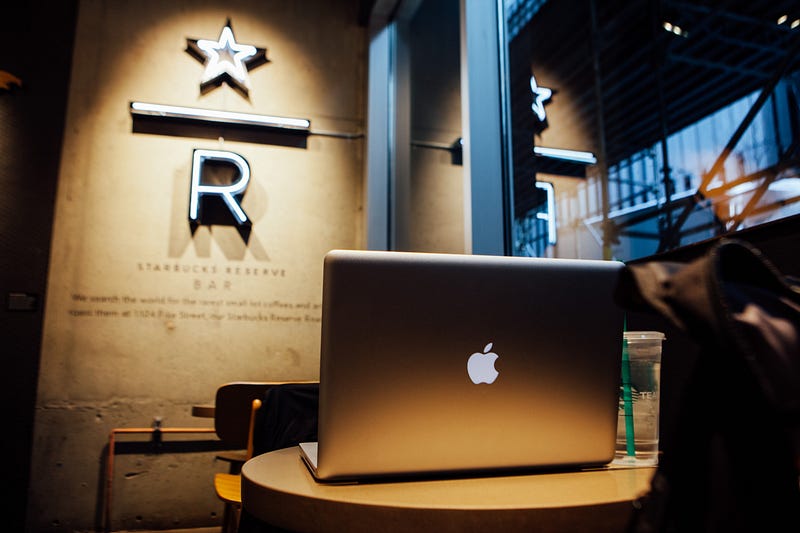
On any given day, offices appeared empty as flexible offsite meetings took place as regular occurrences without needing office permission. Work laptops were taken offsite to Wifi coffee shops.
Before 2000, this only happened regularly for Executives who didn’t have to report on their whereabouts. Most seemed to be on travel or working from home. We’re now all living the Executive work-life.
Is Work-Life Better?
With all the “easier life” innovations that our work society has adopted, is it an easier work life?
The new 20-somethings pay dues not through compensating work-life-balance, like in my generation.
They may work fewer hours, but when working, they are required to be more creative, piecing together complex puzzles with moving parts, and have less guidance as their managers have other responsibilities.
In smaller office quarters and cramped cubicle spaces, employees seem to have more worries dealing with interoffice issues that could impact other employees, needing full-on cooperation, collaboration, and upper management direction change.
Employee mental health concerns have been added to the employer’s responsibility list for recruiting and retaining employees.
But, better circumstances for everyone bring on higher expectations.
The professional employee today matures faster and is someone who can present and execute ideas offline and online. They can learn to present, sell, and build internal relationships when their job title has nothing to do with sales.
This can even be the new worker who just entered the workforce with all the digital experience they grew up with, replacing an older generation in that expertise. They are willing (at least initially) to do more for the company, earning less.
Their job is still on the line daily and they can commonly be let-go for any number of reasons, as there is less job stability today.
They may have a side hustle or a family at home that has taken on most of their focus when worker moms from my generation didn’t have those time luxuries or opportunities.
Where there are opportunities, there are greater responsibilities. There are trade-offs to blending office work-life into other parts of life and the WFH life most of us are in. Today it’s more about balancing the virtual life vs. real life.