SPECIAL SERIES
Change = Becoming
Calling on the Butterfly Goddess to Actively Participate with Change
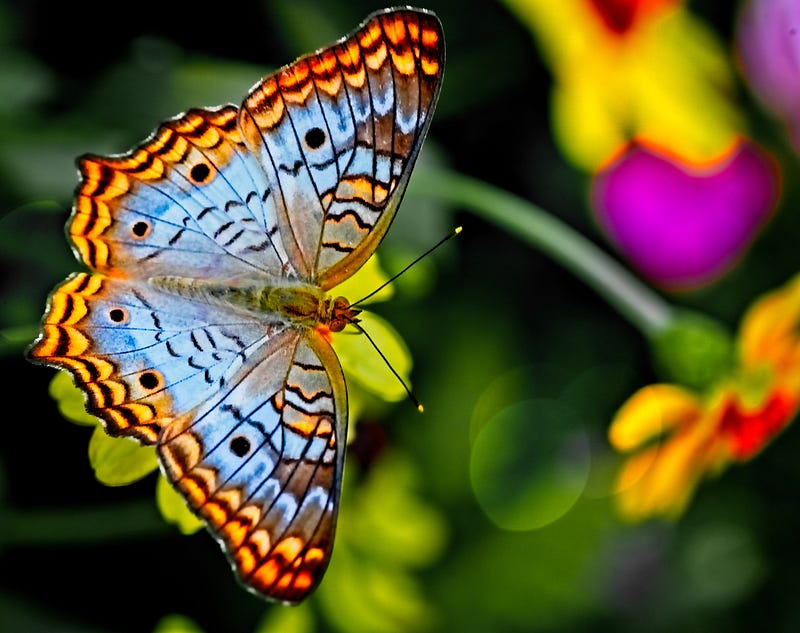
If the only permanent thing is impermanence then it would stand to reason that the main experience of human life is change. If that is the case, why is it we are not schooled in how to deal with change? Why aren’t we taught how to feel change coming and prepare for it, embrace it, reach for it, open to it or lean into it?
Change is sometimes wanted, more often not wanted, and other times just happens. Whether it is wanted or not, it is always happening. Maybe it is time to foster a better relationship with change.
Learning from the Butterfly Goddess in Minoan Crete
Perhaps we can let the Minoan culture from Bronze Age Crete (1700–1550 BCE) through their artwork and illustrations of the Butterfly Goddess, lead the way.
“Minoan” Crete, an island culture south of present day Greece, had its origins as early as 6000 B.C.E., and evolved as a continuous society reaching its height of achievement in the Bronze Age (1700–1550 B.C.E.).
The remains of the culture boast several huge, sprawling buildings whose wings emanate outward from the open air, central court. These great buildings referred to as “palaces” by most archaeologists and as “Centers” in my novels, Ode to Minoa and Stories They Told Me, contained workshops for various art forms. There were also temples to the many manifestations of the Goddess; snake, bee and butterfly, “cult” rooms containing ritual baths, “pillar crypts”- small square rooms with a single column surrounded by several libation holes — as well as large halls, great processional corridors and extravagant staircases.
The artwork and cosmology left behind of these Bronze Age people is inspiring and edifying. The illustrations of their relationship with the natural world reveal a culture understanding the interconnectedness of all lifeforms and the deliberate and intentional collaboration and participation with the forces and cycles of life.
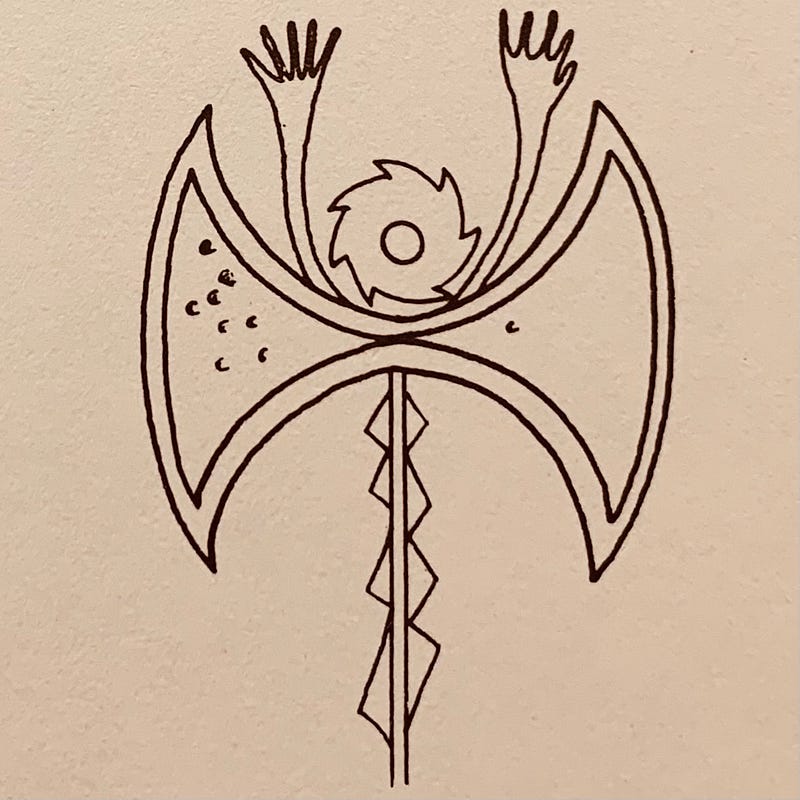
The remains of the double axe, called labrys, in Minoan Crete and the images of them painted on artifacts are stylized symbols of the butterfly.
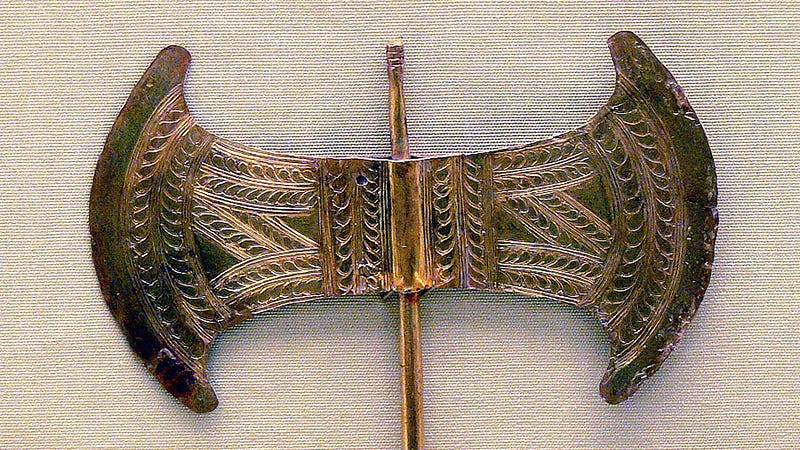
In her book, The Language of the Goddess, Marija Gimbutas tells us that
“The Butterfly is, in short, the embodiment of the principle of transformation.
In Minoan art, a harmonious context is consistently provided for the butterfly symbol by its association with signs of becoming”(LG 273).
The signs of becoming Gimbutas speaks of are often portrayed as fish bladders, and uteri, spirals and spinning circles. The double axe is quite often paired with these.
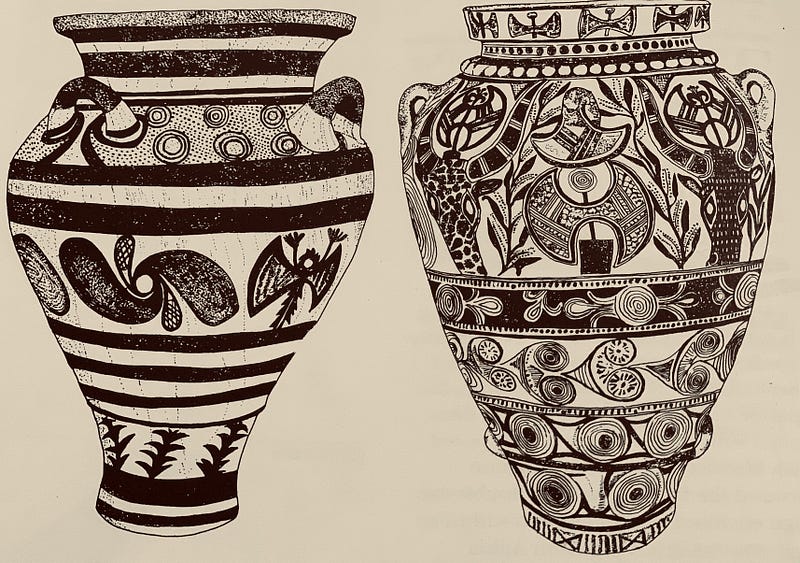
The basic premise of the Goddess in this worldview is that she is a creative force that humans can interact with, participate with, collaborate with especially in times of change. This requires deep listening. To better listen, ancient people put themselves into the chrysalis in the form of an underground tomb or cave for extended periods of time. The time in the chrysalis allows one to better understand the transition, to grieve what is passing or leaving and surrender to the change becoming.
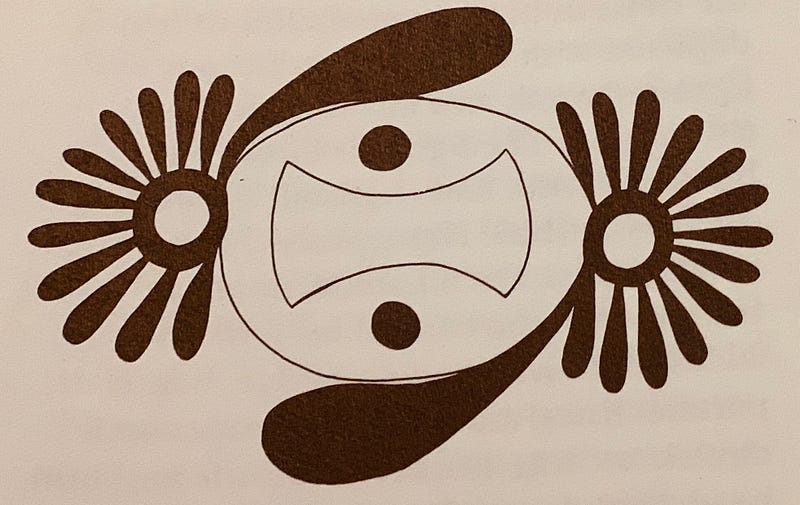
The Butterfly Goddess was called on to help navigate times of change: to embrace death and rebirth with grace, to activate a potentiality previously dormant within. She was enlisted to offer the strength and support to say ‘yes’ to what was becoming, being created in the transformative yet often destabilizing process called ‘change’.
Change as Emergence
Lately, I have been thinking of change as emergence. Would it help us navigate change if we think of it in these terms; that something is trying to be born, to emerge from deep within — being propelled forward by a call and an attraction?
The word emergence is important here. Allowing things to emerge and reveal themselves in their own time and way rather than pushing, forcing or controlling outcome is a more organic and gentle way to interact with change. Shall we view change as coming toward us from the future and meeting and calling out a treasure hidden deep within us — this treasure deep within us emerging into the seen from the unseen by the magnetic call of the future? This shy delicate treasure emerging often needs quiet, so it can find its opening to move through. It requires allowing, can be shut down or scared away by fear or “the need to know.”
What is moving towards us from the future that matches something unformed yet known deep within us? Have we called it to us or has it come unexpectedly?
Emergence arises out of the system, the collective. Though we may feel that our change is an individual experience, it is often part of a collective response, prompted by the causes and conditions of the system. Your body is a system, your family is a system, your community is a system, you live within an ecosystem, the earth is a system. All of these systems connect and interact always to create an extended network of systems that you are embedded within. Change arises out of the interactions, connections and needs of all of this webbed connectedness.
Suddenly you hear, know or notice: a change is needed. Or suddenly change is upon you, happening to you, because of something else in the system hearing and responding to the call.
Enhancing, Activating and Actively Participating With Change
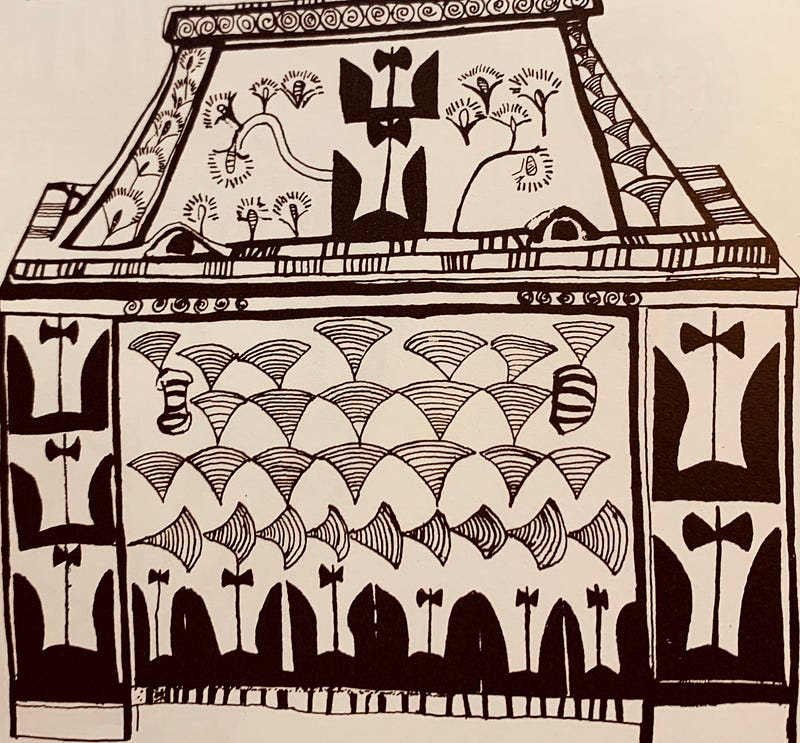
And so when change is upon us, unexpected and unwanted or wanted and called upon, what would it mean to enhance or activate these times of becoming? To actively participate with them? To enhance, assist and augment the transformation of the physical and energetic bodies with the signs of becoming?
What am I becoming? What is asking to arise? What is asking to be created. What is asking to transform?
“The main theme of Goddess symbolism is the mystery of birth and death and the renewal of life, not only human but all life on earth and indeed in the whole cosmos”(LG xiv).
Death, rebirth and becoming as preeminent themes of the Goddess; and why wouldn’t they be? They are the preeminent experiences of life.
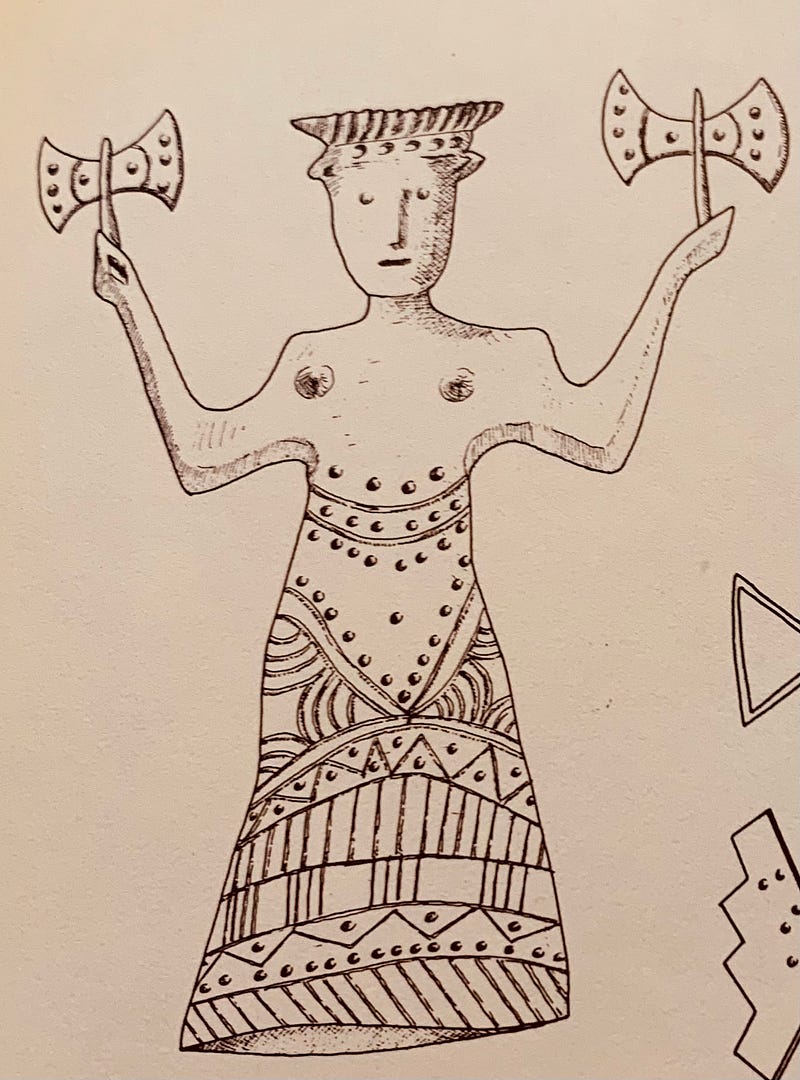
In Minoan Crete certain signs, symbols could enhance the power of the Butterfly Goddess, to help us enhance activate, accelerate or slow, the change. These signs to activate or enhance or slow becoming were drawn onto bodies, pottery, shrines, woven into textiles, carved into stone, and stone circles, temples and temple walls, baked onto bread and cakes, carved on to images of the Goddess and her animals.
As we change, we shed, we prepare. We ask, where am I going and what new tools will I need?
Emergence from the Chrysalis Requires Movement
Movement is present in the throes of becoming. The Goddess is inscribed with lines of movement, circulation to help energies of change and becoming move through her, to ease the transition.
Engage the movement: Walk a labyrinth, dance, paint on the body, paint the image of a moving animal, swirl water with a stick, move your body in whatever way feels good, welcoming change, becoming and emergence.
Life is dynamic. Change is dynamic. By dancing with change we keep ourselves dynamic and fully alive.
Everything is always becoming . . .What are you becoming?
Tips for Interacting with Change When it Arrives or is Coming
- Take some time to go into the chrysalis to listen and better hear. You may have your own ways of doing this: meditation, long silent walks, yoga or journaling. I can also offer you a free guided visualization that I call Journey to the Soul of Gaia. Click that link. Take your question about the current change you are undergoing into that journey with you.
- Once you have a better understanding of the change that is upon you, or emerging or what you are becoming, you can engage with it actively by drawing symbols of becoming onto yourself or paper or into clay or upon the earth or . . . you can dance with it, as you welcome it, augment its arrival, activate it’s presence.
- You can also call upon the Butterfly Goddess. Make a shrine to her, make an offering to her, ask for her assistance. Begin to feel her palpable and alive presence in your life.
©Theresa C. Dintino 2021
Works Cited:
Gimbutas Marija, The Goddesses and Gods of Old Europe. University of California Press, 1974.
Gimbutas, Marija. The Language of the Goddess. Harper & Row, 1989.