
Celebrity Pregnancy — Why Do We Want To Know?
Everyone wants to see the baby bump
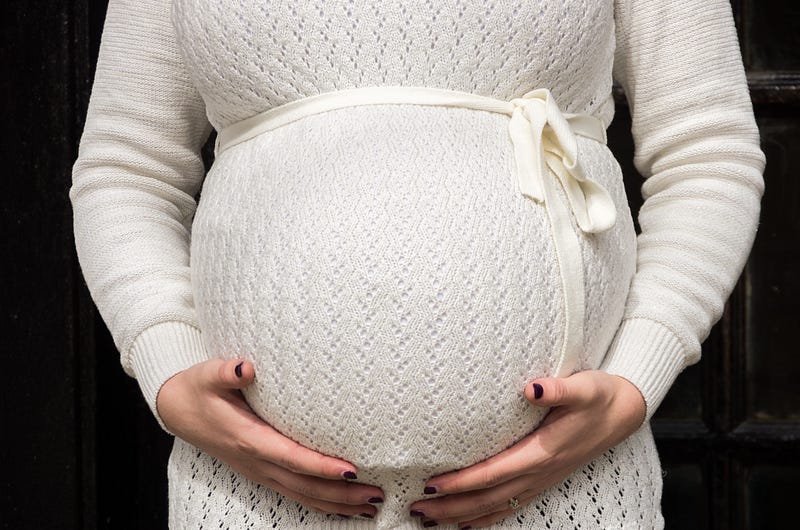
It seems like every celebrity of child-bearing age is pregnant or has had a baby recently. From the recent pregnancy announcement by Katherine McPhee, which ranked in the top ten of Google searches last week to Gigi Hadid to Danielle Brooks — the attached article, updated on October 6, has the count at 62 babies in 2020 so far!
Fancy pregnancy announcements and body con maternity wear is a developing trend that started around 2000. We have become obsessed with pregnancy.
What’s the problem with the whole bump watch?
When we scrutinize other people’s bodies and their pregnancies, we set unrealistic expectations for ourselves. How someone else got pregnant, what they ate, how much weight they lost afterward, and how fast — should not matter. We are setting ourselves up for troubling comparison.
Women try to emulate what these celebrities are doing; because the information is there to see, women compare their pregnancies, however unrealistically, to celebrities’ pregnancies. These celebrities are women with personal trainers and personal chefs and round-the-clock helpers. And, we can’t possibly know what their full pregnancy journeys were like (unless they’ve shared them). And even then — why are we looking at an unrealistic condition?
Only recently have influential celebrities been getting real about their struggles — not just the celebrated bump. Women have shared their IVF challenges. Hilaria Baldwin has been candid about her pregnancy loss stories. If we’re showing baby bumps, we need to also show the reality.
However, it may not be enough. According to a story in Motherly, by Heather Marcoux in November 2017,
Researchers found that even when magazines reported on stories that weren’t about typical pregnancies, trouble conceiving wasn’t mentioned…
Janet Jackson, Mariah Carey, and Gwen Stefani have more in common than pop music superstardom. All three women have given birth after the age of 40, but a recent study by New York University’s School of Medicine found the way the media covers Hollywood pregnancies may be misleading people about how easy it is to get pregnant after 40. Just like when it comes to their musical talents, Janet, Mariah and Gwen are the exception, not the rule, when we’re talking about pregnancy…
The magazines examined were published in 2014 and earlier, but in recent months we’ve seen several celebrities opening the curtain for some frank talk about fertility. Actress Gabrielle Union has publicly discussed and written about her miscarriages and multiple, gruelling IVF cycles at age 45, and Melissa Rauch of The Big Bang Theory, 37, has been very candid about her experience with pregnancy loss.
How much is too much?
Celebrities are aware that everyone wants to see their baby bumps. Some have taken the opportunity to provide photographic content themselves, lest some crazy photographer climbs their fence and steals the shot. Others go into seclusion to avoid being seen and tracked down altogether.
When Chrissy Teigen gets candid about her thighs changing — it helps everyone else. When Ashley Graham talks about her stretch marks, the same. This May 20 Cosmopolitan article about celebrities embracing their pregnancy bodies bears this newer trend out.
And Chrissy Teigen has broken ground further. She has shared the most intimate details of a pregnancy loss. According to the linked New York Times article by Mike Ives,
Ms. Teigen, 34, joined a long list of celebrities who have broken a social taboo in recent years to speak out about pregnancy loss. Others include the former first lady Michelle Obama, the singers Beyoncé and Celine Dion, the actresses Brooke Shields and Kirstie Alley and the actors Hugh Jackman and James Van Der Beek.
She allowed her vulnerability to be on display for everyone to see. I was impressed and amazed. I lost a baby during delivery. I remember that my mother didn’t want me to talk about it because she felt it too painful to share with others.
It’s too much when it’s harmful.
Before all of this sharing…
For so long, it had been frowned on in society to even show a pregnant body. Movie stars would hide for fear that their pregnant body would be considered fat and, consequently, career-ending. Even in the 1990s, pregnancy wear was more reminiscent of outdated maternity wear meant to conceal the pregnancy rather than celebrate it. The word “pregnant” was considered a dirty word in the 1960s. According to this article from The Cut on The 50 Most Famous Pregnancy Moments in History,” for the hit TV show I Love Lucy, the word was censored out of scripts in favor of “expecting.”
So, yes — a lot has changed. Women are more empowered to express themselves while pregnant without feeling like being pregnant — or the very act that caused the condition is somehow dirty. But, in some ways, we’ve gone much too far in the other direction — peering into celebrities’ lives in a creepy way wanting to know every detail about their pregnancies.
In conclusion.
What does this baby bump tracking and wanting to know intimate details about a stranger say about us as a society? (creepy) Do we inherently and perhaps subconsciously believe we have a right to famous women's bodies when they are pregnant? — that we can watch them, judge them, talk about them, compare them, offer advice — whatever. And are they letting us see too much?
Do pregnant women share because they feel they have to — at the most vulnerable time of their lives? And how does this translate to the non-celebrities who are pregnant? Do they get that scrutiny too?
And the babies keep on coming.
Jennifer Friebely is a New York-based content writer covering stories from personal development, marketing, and productivity to politics and music to whatever idea strikes. She has a 30+ year background in marketing and advertising and holds a BA in Political Science. Email her at [email protected].


