
Nature | Reciprocal
Celebrating the Melodic Relationship Between Animals and Nature
Embracing the wild harmony
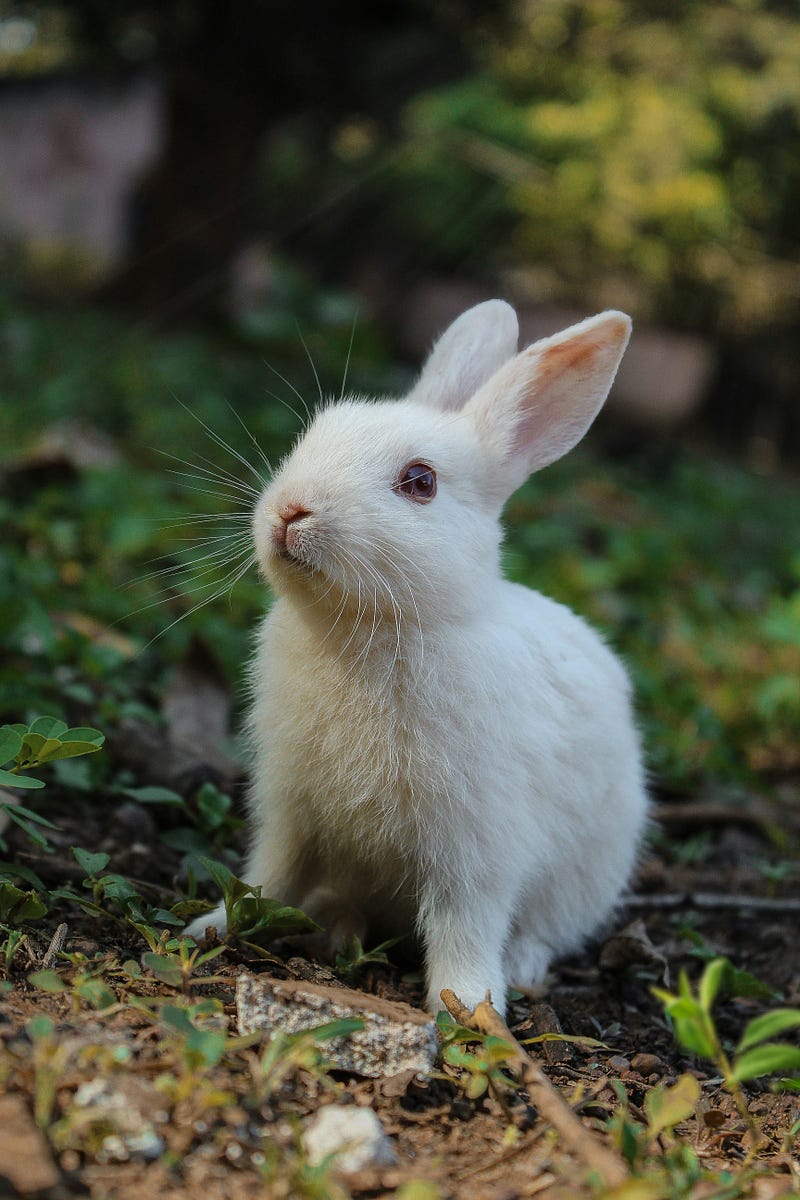
To maintain the ecological clock, there is a great bond between animals and nature. A bond that continues to shape the ecosystem around the world. This bond is built on mutual dependency.
There are many animals that make seasonal adaptations. These adaptations helps them to live in different environment conditions associated with different seasons.
For instance, many mammals throughout the winter, go into hibernation. When food is limited, they preserve energy by lowering their body temperature, decreasing their metabolic rate, and going into a protracted period of fall asleep.
In addition to that, some mammals change the colour of their fur to blend in with their surroundings to survive in different environment conditions.
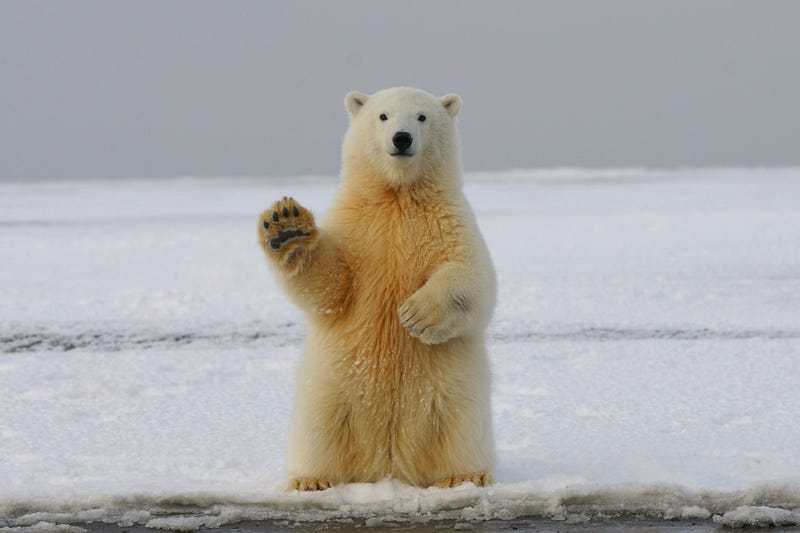
Some small mammals like squirrels engage in food storage during autumn to prepare for winter scarcity. Many animals make physiological adaptations such as making change in their body size.
In general, animals exhibit exceptional adaptability and durability in the face of environmental changes, utilising a wide range of behavioural, physiological, and ecological modifications to endure and prosper in ever-changing settings.
In conclusion, the wonder, interdependence, and connection that define the natural world can be observed in the wonderful interaction that exists between nature and animals. It encourages us to acknowledge our shared duty to preserve life on Earth for future generations while appreciating and cherishing its diversity.
I would like to give shoutout to Dr. Preeti Singh for sharing an article about her first foreign trip experience.
Emika Oka (Mika) shared a profound piece.


