
Celebrating the Legendary Whitney Houston (Part II)
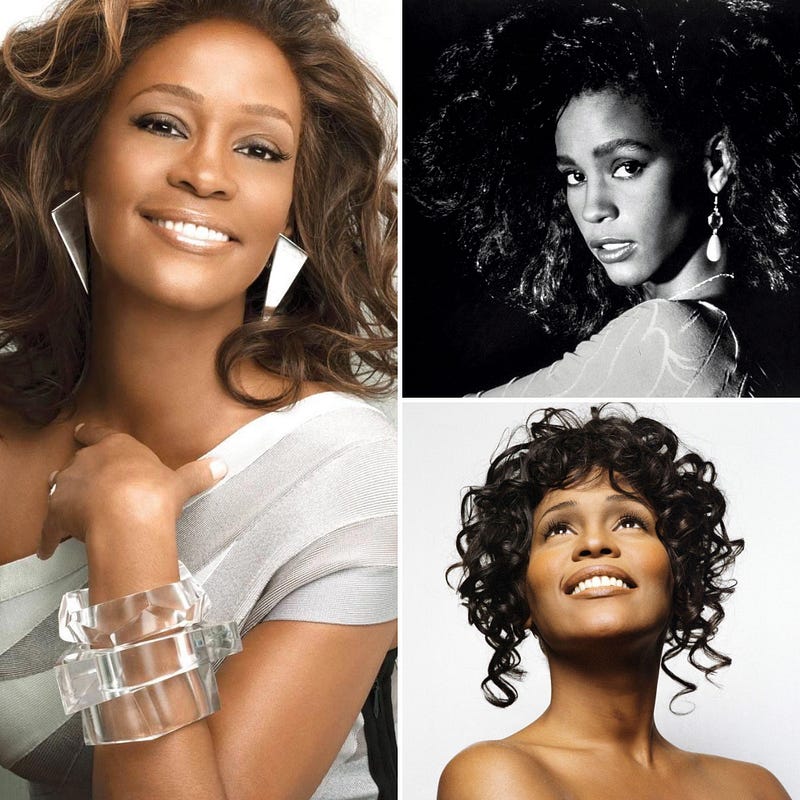
Nine years ago today, one of the most talented and beloved performers in American history tragically died. Rather than relive the sensational details of her decline, I revisit the remarkable gifts she bestowed upon the world. Here, I reflect on her life and rank her greatest albums, films, live performances, and remixes.
[Note: This article is the second part of a two-part article about the legacy of Whitney Houston. Click here for the first article, which discusses her chart achievements and counts down her best songs.]
A Brief Biography of Whitney Houston
It is almost insulting to try and pack the life and career of one of the most important artists in American history into a few paragraphs. But for those who aren’t well-acquainted with the legend, I have put together this primer.
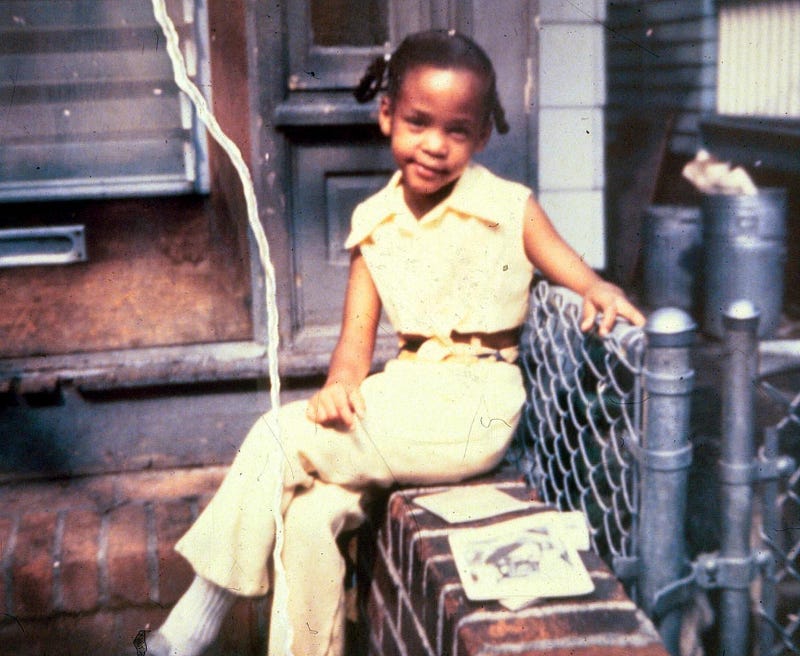
Whitney Elizabeth Houston was born on August 9, 1963 in Newark, NJ to city administrator John Houston Jr. and gospel singer Emily “Cissy” Houston. She was raised with her older brother Michael and her half-brother Gary Garland, who went on to be an NBA star and singer. Her first-cousin and was legendary pop singer Dionne Warwick. Between Cissy and Dionne’s musical success, Whitney was exposed to many legendary musicians growing up. These included Elvis Presley (who Cissy sang backup for), Chaka Khan (who Whitney sang backup for as a teenager), Darlene Love (Whitney’s godmother), and Aretha Franklin (Whitney’s honorary aunt).
Whitney’s family relocated from Newark to East Orange, NJ when civil unrest overran the city in 1967. She attended Catholic high school and was active in the family’s local Baptist church, where she routinely performed. Whitney gained success as a model in her late teens, becoming the first black woman to appear on the cover of Seventeen. During this time she met Robyn Crawford, a woman who was her best friend, manager, and lover for a brief time. (Debate rages about whether Whitney was a lesbian or bisexual and the degree to which her conservative and very religious family’s disapproval of her sexuality affected her.)
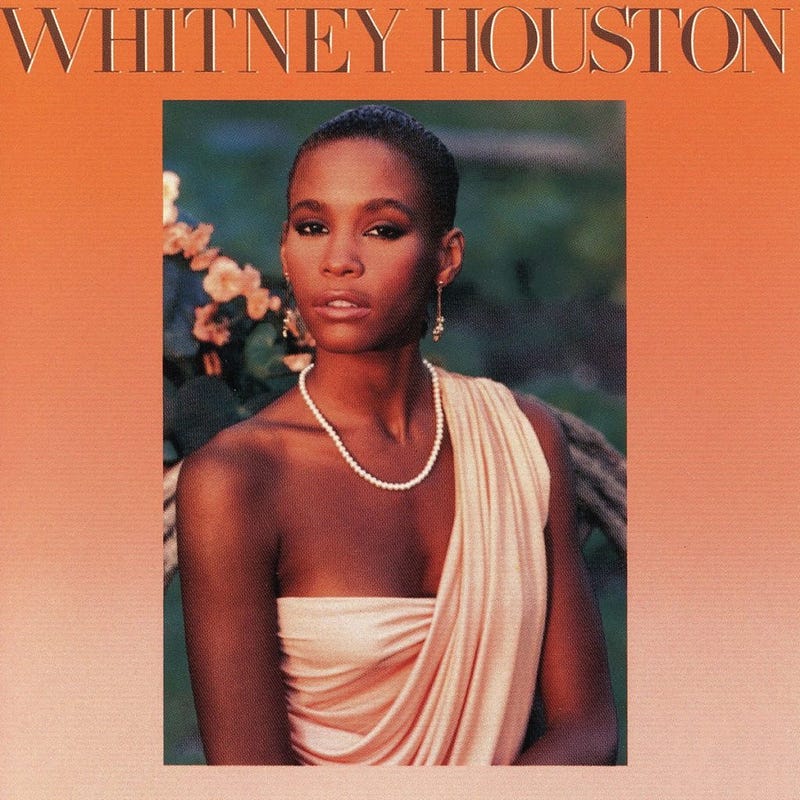
When she was 19, Whitney was offered competing recording contracts, eventually signing with Clive Davis and Arista Records. Her self-titled debut album and her sophomore album Whitney spawned seven #1 hits and both went diamond (denoting sales of 10 million copies), catapulting her to superstardom. During this time, she started a children’s charity named The Whitney Houston Foundation for Children and was very vocal in the anti-Apartheid movement. In addition to Crawford, she was romantically involved with singer-producer Jermaine Jackson, actor-comedian Eddie Murphy, and NFL star Randall Cunningham.
Despite her success in the 1980s, she received significant criticism from the black community for “selling out” and recording music that was “too white.” She was famously booed at the Soul Train Awards and the target of a boycott by Al Sharpton. Perhaps relatedly, she took on a slightly edgier and more urban sound with her third album I’m Your Baby Tonight (released in 1990). The album wasn’t as monstrous a hit as her first two albums, but sold millions of copies and spawned two #1 hits.
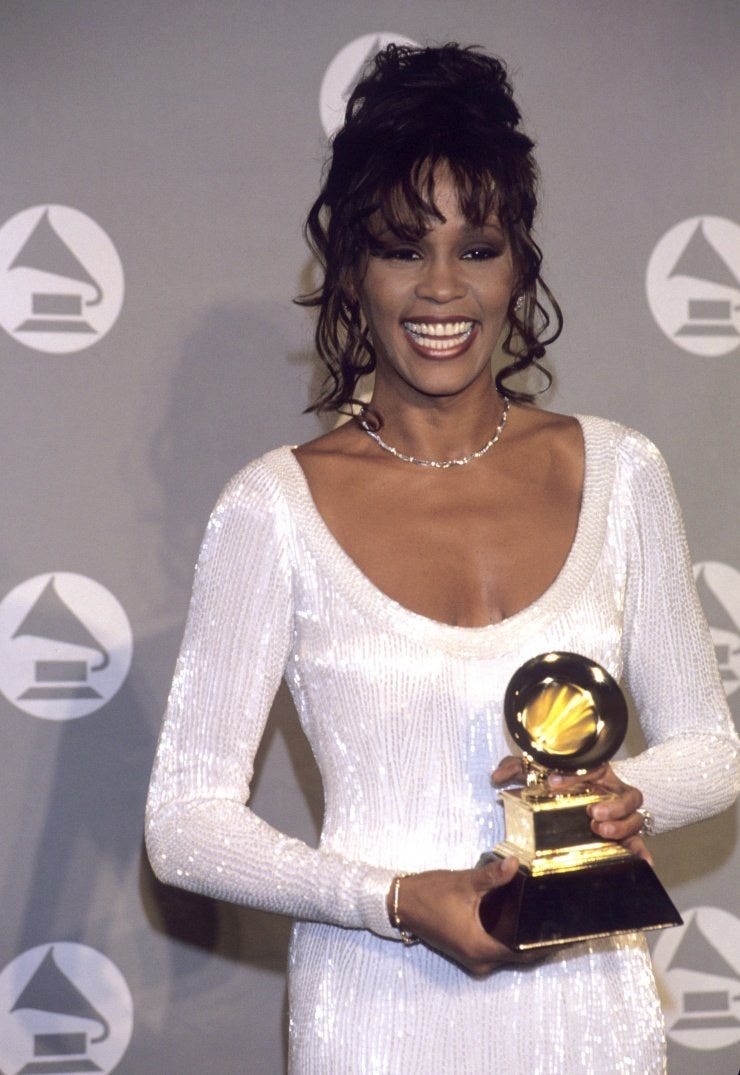
In 1992, two events happened that forever changed her life and career. The first was her film debut in the blockbuster The Bodyguard, which grossed $400 million and was groundbreaking in its portrayal of interracial romance in a big Hollywood film. The accompanying soundtrack, which featured six songs by Whitney, won several Grammys, is the fifth best selling album of all time worldwide, and spawned Whitney’s signature song (her cover of Dolly Parton’s “I Will Always Love You.”) The second life-changing event was her marriage to hip-hop star Bobby Brown after a three-year courtship. The next year she gave birth to their daughter Bobbi Kristina Brown.
Over the next few years, Whitney had continued success in film and music with 1995’s Waiting to Exhale and 1996’s The Preacher’s Wife. Both the films and the soundtracks were critical and commercial successes. In 1998, she went into the studio to record some songs for a greatest hits compilation and was so inspired she churned out her sixth album My Love Is Your Love, which spawned a slew of hits and garnered some of the best reviews of her career.
Unfortunately, by the year 2000 Whitney’s descent into drug addiction that had begun in the 1980s and accelerated in the mid-1990s had become undeniable. Her erratic behavior led to numerous canceled performance and appearances, her gaunt and sickly appearance had the tabloids agog and her fans worried, and the domestic turmoil of her relationship with Bobby Brown was rumored about everywhere. She had numerous high profile failures during this time with the tepidly received albums Just Whitney and One Wish, a disastrous primetime interview with Diane Sawyer that shattered her public image, and a horrifying foray into reality television with Being Bobby Brown.
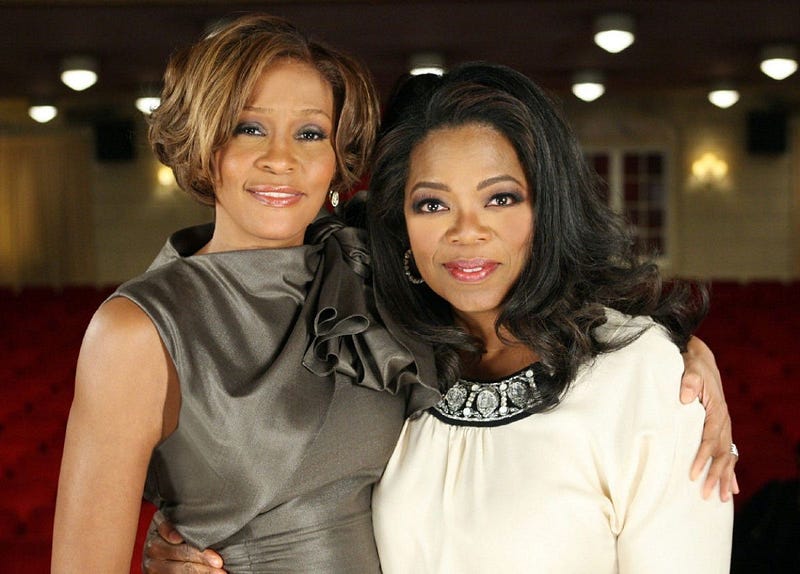
Whitney divorced Bobby Brown in 2006 and entered rehab. Friends and family members, including Clive Davis, helped her launch a comeback later in the decade, resulting in her ninth album I Look To You. Released in 2009, the album hit #1 on the Billboard charts, received critical acclaim, and was accompanied by a media blitz that included a legendary appearance on The Oprah Winfrey Show. Unfortunately, the comeback was short-lived. She had started using drugs again and despite the counsel of many in her life, she embarked on a disastrous tour in support of the album that tarnished her recently-improved reputation.
Whitney Houston died on February 11, 2012 at the Beverly Hilton Hotel, where she was staying to attend Clive Davis’s annual pre-Grammy party. The cause of death was accidental drowning in her hotel room bathtub related to effects of atherosclerotic heart disease and cocaine use. At the time of death, she had cocaine, Xanax, cannabis, benadryl, and Flexeril in her system. The public outpouring was nearly unprecedented with a hastily assembled Grammy tribute the following day, a widely televised funeral, and countless tributes. Tragically, her daughter Bobbi also died by drowning related to intoxication at the age of 22 in 2015.
Whitney’s legacy has only grown since her death. She continues to receive posthumous accolades, including her induction into the Rock & Roll Hall of Fame a couple of months ago. Importantly, many people are realizing that her much-ridiculed decline was actually the result of the disease of drug addiction. This revelation is allowing people to look past the scandals and see the remarkable life and career of a true American legend.
Whitney’s Albums
During her career, Whitney recorded six traditional studio albums, two movie soundtracks, and a holiday album. Whitney also has three greatest hits compilations (one released posthumously), a collection of her greatest live performances (also released posthumously), and numerous appearances across other film soundtracks, other artists’ albums, and various compilations. Below I rank her nine full-length recordings from weakest to strongest.
9. One Wish (2003). Perhaps the quintessential example of a missed opportunity, this album sought to undo the perceived damage caused by the tepidly received Just Whitney. Unfortunately, it feels hastily and shoddily assembled with bizarre arrangements (mashing up “Deck the Halls” and “Silent Night” is a particularly strange choice) and strained vocals on songs that require power and precision. The album has three gems, but two were lifted directly from The Preacher’s Wife soundtrack and recycled here.
8. Just Whitney (2002). Widely considered to be the album that derailed Whitney’s success as a recording artist, it was met with negative reviews and failed to produce any major hits. Critics rightfully pointed out that it was inconsistent, with its simultaneous attempts to return Whitney to her pop standard roots and progress her new urban image both falling flat. In my opinion it has three terrific songs (particularly the one-two punch of “One of Those Days” and “Tell Me No” that kicks off the album) preventing it from being a total misfire, but as the album progresses it gets increasingly forgettable and disappointing.
7. The Preacher’s Wife Soundtrack (1996). This album is ranked so low solely because of how much filler there is. Over one-third of the album contains songs that don’t feature Whitney in the lead (with Shirley Caesar and her mother Cissy Houston taking over), a disastrous foray into hip-hop (“SomeBody Bigger Than You and I”), and slight rearrangements of songs that are featured earlier on the album. But the remaining songs are quite stunning with Whitney and Mervyn Warren’s divine arrangements soaring into the stratosphere and more traditional pop/R&B songs like “Step By Step,” “I Believe In You and Me,” and “You Were Loved” delivering prime Whitney.
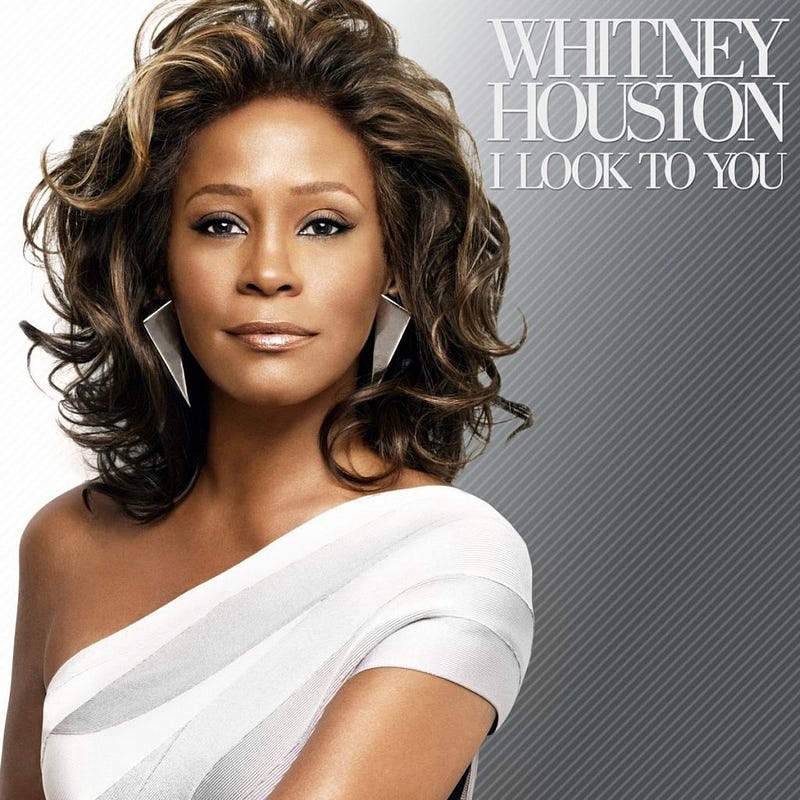
6. I Look To You (2009). Whitney’s voice, mental health, and public image may have deteriorated by the time her final studio album was released, but it was so superbly produced that it marked a major improvement over her prior two albums. With the inspired selection of collaborators both tried-and-true (e.g., Diane Warren, David Foster) and fresh-and-exciting (e.g., Alicia Keys, StarGate) the album is full of consistently strong tracks that perfectly suit Whitney’s vocal abilities and image rehabilitation needs at that time. None of the songs are all-time classics, but not a single one is bad.
5. The Bodyguard Soundtrack (1992). It seems sacrilegious to rank her most iconic and successful album so low on the list, but hear me out. The Bodyguard is a truly bizarre album. The first six songs are Whitney’s and the remaining seven are fine but unspectacular songs by various artists, two of which are instrumental. Even among the first six Whitney songs, there is huge heterogeneity in genre and quality. Power ballads “I Will Always Love You” and “I Have Nothing” are all-time classics of pop music, the dance club cover of Chaka Khan’s “I’m Every Woman” and the adult contemporary ballad “Run To You” are top tier Whitney, and the hard-edged banger “Queen of the Night” and meandering Gospel number “Jesus Loves Me” are just okay. Despite its enormous highs, it is a very uneven collection.
4. Whitney Houston (1985). Now we get into the truly great Whitney albums. Her iconic debut album spawned three timeless #1 hits (“Saving All My Love For You,” “The Greatest Love of All,” and “How Will I Know”), one that should have been a #1 (“All At Once”), and her widely adored debut single “You Give Good Love.” The other half of the album isn’t quite as strong with three cheesy but effective duets with Jermaine Jackson and Teddy Pendergrass and two dance songs that are forgettable and dated. Despite its unevenness, this is one of the most impressive debut albums in history.
3. I’m Your Baby Tonight (1990). Whitney’s third album may have failed to live up to the commercial success of her first two (it peaked at #3 and “only” went 4x platinum), but in my opinion it is just as good as those albums and is certainly more consistent. This album marked the first of her many successful collaborations with Antonio “LA” Reid and Kenneth “Babyface” Edmonds and the result is a hipper and bolder sound that brought her into the 1980s. It spawned two megahits (the #1s “I’m Your Baby Tonight” and “All the Man That I Need”) and two minor hits (“My Name Is Not Susan” and “Miracle”), while also featuring several could-have-been hits (“I Belong To You,” “Love for Life,” “Anymore,” and “Who Do You Love?”). This album would have been bumped up to #2 on my ranking were it not for the somewhat lackluster three-song run that ends the album.
2. Whitney (1987). After working with a variety of producers on her debut, Whitney worked primarily with Narada Michael Walden on her sophomore album. Walden brings the same keen ear and energy that he brought to “How Will I Know” (his first collaboration with Whitney) for this strong collection that spawned a whopping four #1 hits (“I Wanna Dance With Somebody (Who Love Me),” “Didn’t We Almost Have It All,” “So Emotional,” and “Where Do Broken Hearts Go”). Highlights of the rest of the album include the soulful and sensual “Just the Lonely Talking Again” and “For the Love of You,” dancehall hit “Love Will Save the Day,” and the closing track “I Know Him So Well,” a rare duet with her mother.
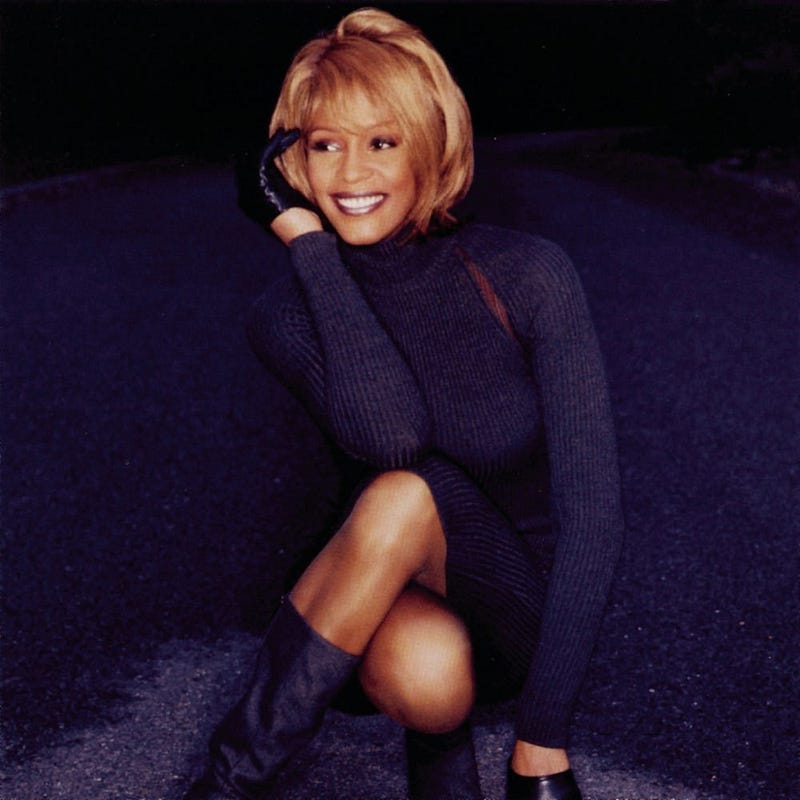
1. My Love Is Your Love (1998). In my opinion, Whitney’s finest album is her sixth, which occurred late enough in her career to give her the confidence and clout to explore edgier sounds but early enough that her earth-shattering vocal ability was still intact. In addition to past collaborators like Babyface, Diane Warren, and David Foster, Whitney goes into bold new territory with contemporary R&B and hip-hop hitmakers like Mariah Carey, Missy “Misdemeanor” Elliot, Wyclef Jean, Lauryn Hill, and Rodney “Darkchild” Jerkins. In addition to the quintet of hits it includes (“Heartbreak Hotel,” “It’s Not Right But It’s Okay,” “My Love Is Your Love,” “I Learned From the Best,” and “When You Believe”), it has superb tracks like “Until You Come Back,” “If I Told You That,” “In My Business,” “I Bow Out,” and “Oh Yes.” This album provides a tantalizing taste of what could have been if her recording career had not become derailed by her personal troubles.
Whitney’s Film Performances
When people think of Whitney Houston, they think of a vocalist above all. But it cannot be overstated what a successful (albeit brief) run she had in film in the 1990s. Whereas the majority of female music stars stumble in their film debuts (click here for a timeline of superstar singers-turned-actors), Whitney made her debut with an international blockbuster and over the next 5 years delivered two more high-profile and profitable hits as well as one of the most widely viewed television films of all time. Following this run, her involvement in films was mostly relegated to producing (many don’t know that she was the producer of the Anne Hathaway-Julie Andrews blockbuster The Princess Diaries and its sequel).
Since her death, Whitney has been the centerpiece of two feature films. One is Sparkle, the remake of a 1970s cult hit about Motown, which completed filming shortly before her death and released several months after it. The other is Whitney, Kevin MacDonald’s emotionally wrenching, exhaustively researched, predictably controversial, and highly acclaimed 2018 documentary that seeks to reconcile her angels and demons. It is a tough watch, but an important one for anyone who wants to truly understand the genius and tragedy of Whitney.
I rewatched all five feature films that she acted in and ranked them from weakest to strongest role/acting performance. (Note: This is not my rank of how strong I think the overall films are.)
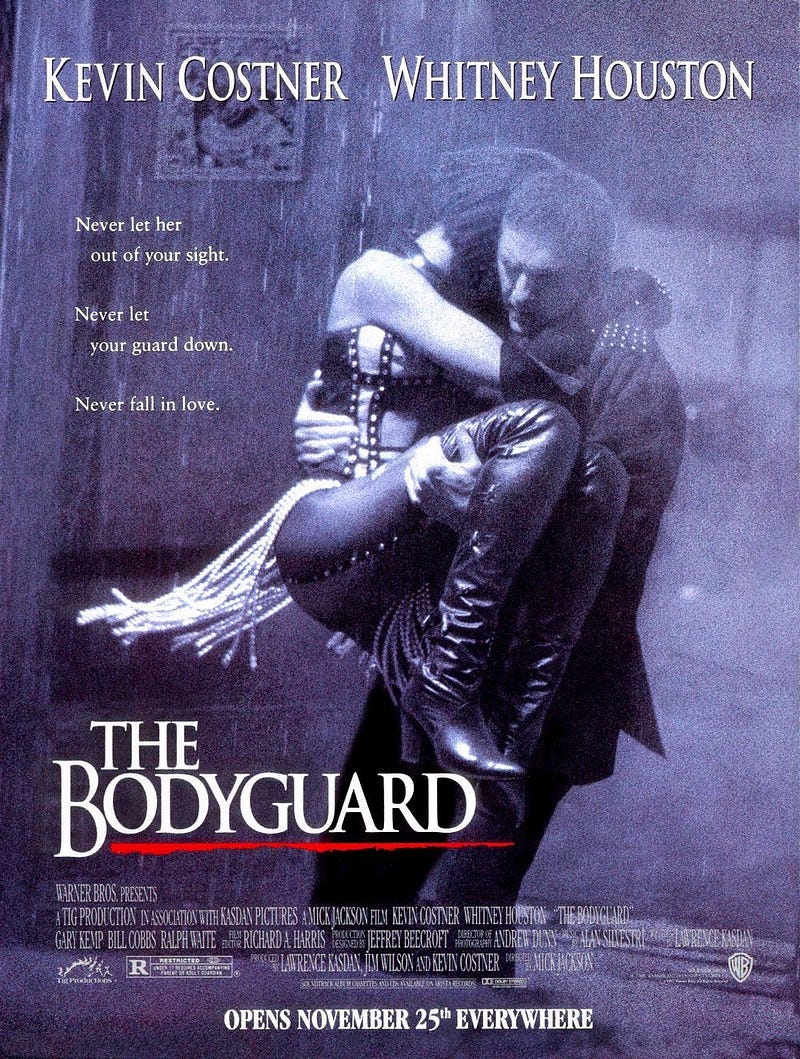
5. The Bodyguard (1992). Directed by Mick Jackson and written by Oscar-nominated screenwriter Lawrence Kasdan, this blockbuster was released at the height of Houston’s fame as well as that of her co-star Kevin Costner. The film was a massive commercial hit, grossing over $400 million worldwide and spawning the most successful soundtrack of all time. Critics weren’t kind to it, but Whitney gave a more-than-competent acting debut as Rachel Marron, an arrogant pop/R&B diva and movie star who is unaware of the danger she and her family are in from a stalker. Although she and Costner were lacking in romantic chemistry, Houston’s performance was commanding, nuanced, sensual, and authentic.
4. The Preacher’s Wife (1996). The idea to remake the hit 1947 holiday film starring Cary Grant, Loretta Young, and David Niven with an all-black cast was an inspired one. Unfortunately, despite a promising setup and a great director attached (Penny Marshall, who had previously directed classics like Big and A League of Their Own), this film only really comes alive during the superb gospel-fueled musical numbers that allow Whitney to do her best big screen musical performances. Whitney is warm, relatable, and believable as Julia Biggs (the titular Preacher’s Wife) but her role is written as so passively that it does not give her any where near as good material that is given to her male co-stars Denzel Washington (in one of his only comic performances) and Courtney B. Vance (who steals the show).
3. Rodger and Hammerstein’s Cinderella (1997). Whitney’s fourth film was this television film produced as part of ABC’s revival of The Wonderful World of Disney. Although critics were mixed on the update of the classic 1957 television movie starring Julie Andrews, viewers weren’t. The film was one of the most-watched television movies of all time and is so beloved that fans banded together in a campaign to get it released on Disney+ (which it will be tomorrow). Houston produced the film and co-stars as the Fairy Godmother. She has a unique and sassy spin on the part and is the loosest and funniest we have ever see her on screen here.
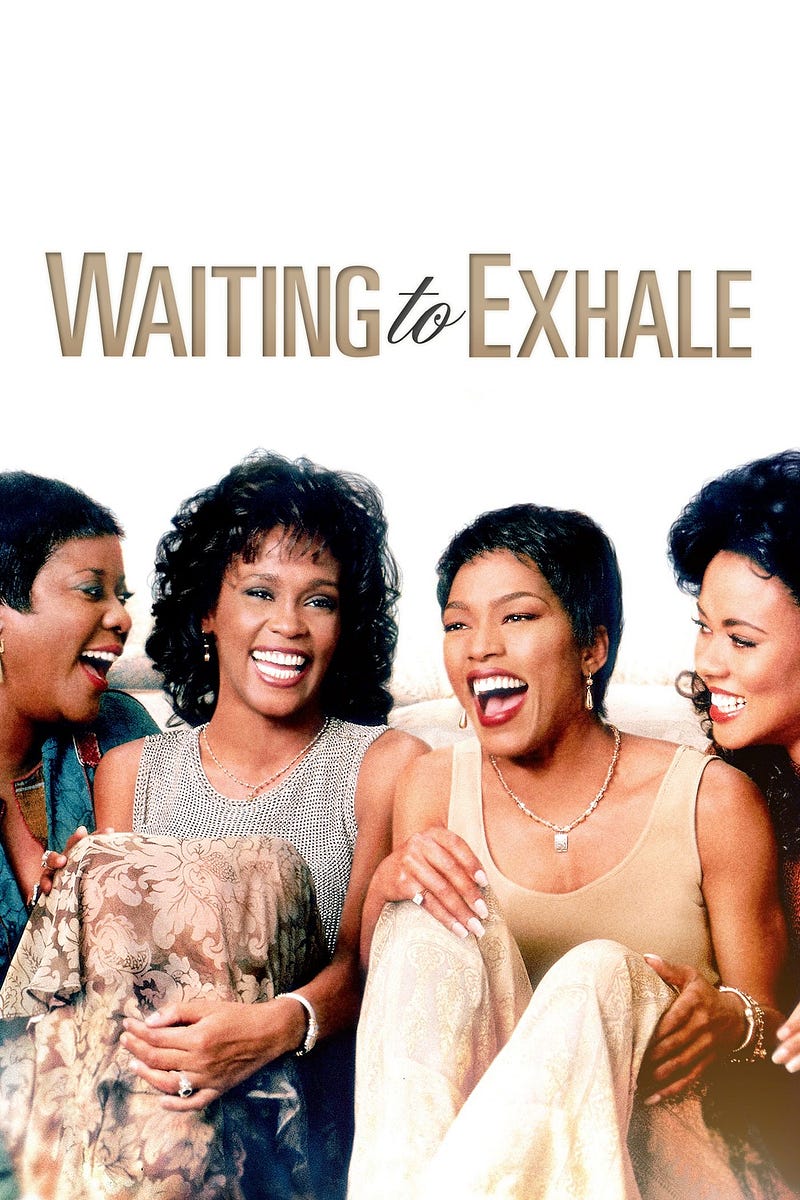
2. Waiting to Exhale (1995). Based on the best-selling novel by Terry McMillan, which centers on four black women’s trials in life and love, Waiting to Exhale was a landmark in cinema with its all-black cast and legendary soundtrack. It never truly reaches its dramatic potential, in large part due to some rocky direction by first-time helmer Forest Whitaker (better known as an Oscar-winning actor). Nevertheless, it is highly watchable, going down smooth with its engaging melodrama and terrific performances. Whitney Houston flexes far more dramatic chops than she was allowed in The Bodyguard as Savannah, a woman juggling her career, her affair with a married man, her friendships, and a contentious relationship with her mother. The rest of the ensemble is superb, with Angela Bassett giving an all-timer of a performance as a woman scorned by her husband.
1. Sparkle (2012). This remake of the 1976 film about the rise of a female Motown trio (obviously inspired by The Supremes) suffers from being overly familiar. Films like 2005’s Oscar-winning Dreamgirls and 2008’s Cadillac Records had recently covered similar territory and the soundtrack was just fine when it needed to be extraordinary to make the film resonate with audiences. But it does have two profound performances that should have gotten much more attention from critics. The first is Carmen Ejogo as Tammy “Sister” Anderson. Ejogo is electrifying in her emotionally raw performance as the self-destructive eldest daughter of a musical family in late 1960s Detroit. The second is Whitney, as disapproving matriarch Emma Anderson. She embodies the role of the proud, tough and weathered woman with a skill and ferocity that would be expected of an esteemed character actress like Alfre Woodard or Viola Davis. She commands every scene and nails every dramatic moment. The power of the performance is undoubtedly underscored by the fact that the role — a God-fearing soul with a fiery talent who is seeking to make things right as she reaches middle age— mirrored Whitney’s final years to an almost discomforting degree.
Whitney’s Remixes
Although she was primarily known for her soaring adult contemporary ballads, Whitney also had 14 #1 hits on the Billboard Dance Charts. Some of these were her uptempo original songs, but many were ballads and mid-tempo numbers completely reimagined through innovative remixes arranged by some of the hottest DJs and producers int his business.
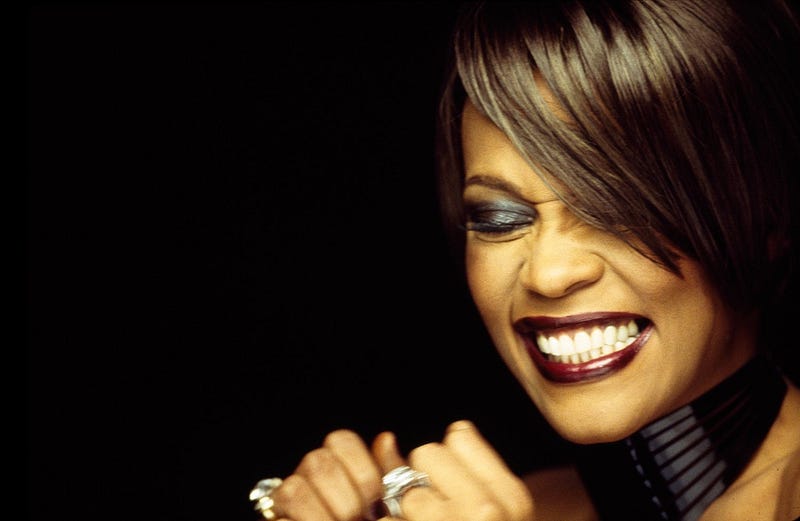
For me, her quintessential remix is “It’s Not Right But It’s Okay (Thunderpuss Remix).” The duo of Barry Harris and Chris Cox (nicknamed Thunderpuss) took the somewhat chaotically arranged opening song from Whitney’s sixth album and improved it considerably. They gave the song an urgent and dramatic makeover that included enhancing her spectacular Grammy-winning vocals. What they do with the climactic belt is the stuff of remix legend.
Ten more classic remixes to check out:
- “Step By Step (Junior Vasquez Mix)”
- “My Love Is Your Love (Jonathan Peters Mix)”
- “Heartbreak Hotel (Hex Hector Mix)”
- “I Learned From the Best (HQ2 Mix)”
- “Higher Love (Kygo Remix)”
- “How Will I Know? (Junior Vasquez Mix)”
- “So Emotional (David Morales Mix)”
- “I’m Your Baby Tonight (Dronez Mix)”
- “I Will Always Love You (Hex Hector Mix)”
- “Whatchulookinat (P. Diddy Radio Mix)”
Whitney’s Live Performances
Whitney is known for the spectacular live performances throughout her career, with most fans seeing them through awards shows, talk shows, tribute concerts, sporting events, and benefits that were widely seen on television. But there were also many lucky fans who actually got to see her on tour. Whitney toured quite extensively early in her career, with six world tours each in support of an album (only The Preacher’s Wife, Just Whitney, and One Wish were not accompanied by a tour). These six tours included 534 shows across all six inhabited continents. She performed an additional 67 shows as part of five smaller-scale regional tours, bringing her number of headlining shows to 601.
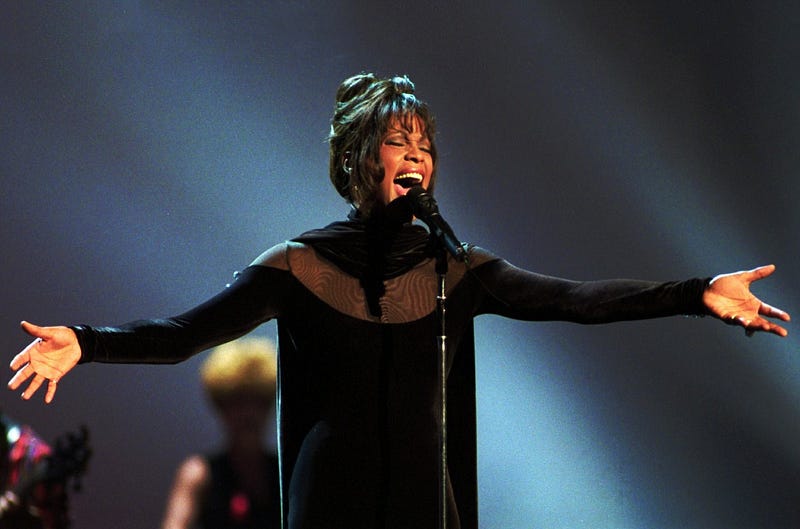
When people think about Whitney as a live performer, they tend to think of her legendary performance of “The Star-Spangled Banner” at Super Bowl XXV. And while her flawless and impassioned and flawless rendition has yet to be matched, for me there is one live performance of hers that exceeds it. I believe the quintessential Whitney live performance is her medley of “I Loves You, Porgy,” “And I’m Telling You I’m Not Going,” and “I Have Nothing” that she performed at the 21st Annual American Music Awards in 1994. Over the course of 10 epic minutes, she breathlessly and flawlessly delivers two remarkably tricky and well-known Broadway tunes (from Porgy and Bess and Dreamgirls) before exploding into a rendition of her finest ballad (from The Bodyguard Soundtrack). The range, precision, and power on display is utterly extraordinary as she combines five decades of black women’s declarations of love into one performance. Anyone foolish enough to question her status as one of the greatest vocalists in history need only to experience this ten minutes and they will be convinced.
Ten more classic live performances to check out:
- “A Song For You” (Welcome Home Heroes, 1991)
- “Jesus Loves Me/He’s Got the Whole World in His Hands” (The Bodyguard Tour, 1993)
- “All the Man That I Need” (Welcome Home Heroes, 1991)
- “The Greatest Love of All” (That’s What Friends Are For: Arista Records 15th Anniversary Concert, 1990)
- “My Love Is Your Love” (The Late Show with David Letterman, 1998)
- “When You Believe (Due with Mariah Carey)” (The 71st Annual Academy Awards, 1999)
- “You Give Good Love” (The Tonight Show with Johnny Carson, 1985)
- “I Will Always Love You” (The Concert for a New South Africa, 1994)
- “Home” (The Merv Griffin Show, 1983)
- “I Didn’t Know My Own Strength” (The Oprah Winfrey Show, 2009)
Follow the author of this article on Medium or Twitter.
Check out other articles by this author about music legends: