
Festival/Culture/Happiness/Awareness
Celebrating The Festival Of Spring In India
Spring is a promise of happiness, color, and festivities
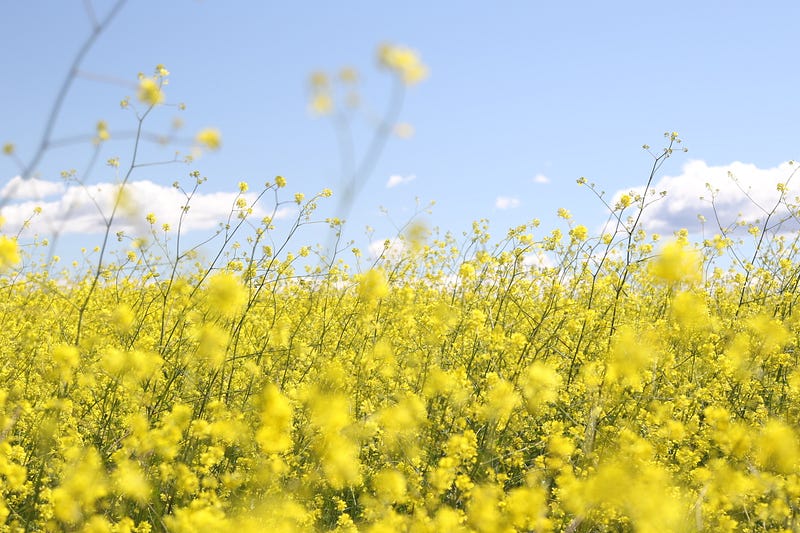
Spring always brings happiness to everyone in the world. Greetings to everyone! In India, it is a multi-cultural festival. It is celebrated by Hindus, Muslims, and Sikhs and is like a national integration day.
After the no-moon day in the lunar phase and when the moon begins to rise on the 5th day of the rising moon, we celebrate ‘Spring’ in India. We call it Basant Panchami in our language.
In India, we move from winter to summer with a very short spring season. We try to enjoy this short season by having a very big celebration. During this time the flowers are in full bloom and they spread joy and positivity.
It is a day when the color yellow is ‘supreme.’ Everything must be yellow right from flowers to clothes to food. We include and give importance to yellow.
The significance of yellow is not known except for the fact that it is nice and bright and fits with the season. Mustard is in full bloom and so are the marigold flowers and they make the whole environment cheerful. It is also said that the earth begins to wake up during this time with the warmth of the sun and the blossoming of different flowers.
The different regions of the country celebrate it according to the culture of the particular region. Each region then copies some of the traditions of the other region and finally, the whole country celebrates the day with intermingled traditions and festivities.
I will describe some prominent traditions which are celebrated throughout the country.
Bengal In Bengal predominantly it is celebrated to keep Goddess Sarasvati happy. She is the Goddess of learning, music, and culture. The deities are made into idols and displayed for puja(prayer) and cultural programs in all educational institutions.
Music and dance programs with prayer (called Puja in India) are followed by a prasad which is an offering made to the Goddess and it is sweet. Then food is served with rice and lentils and a sweet called Payesh that is a rice and milk pudding. Everyone wears a yellow color.
North In North India, celebrations are started by wearing a yellow color. Dancing the beat with the Indian drum called dhol as usual. Yellow marigolds are taken to the temples and decorated with them. The people are adorned with yellow flowers. Everyone eats sweet rice made with saffron. Folk songs and dances and shows are held and everyone is cheerful. Picnics and programs with friends are the order of the day.
Dargah
A Dargah is a shrine or a grave for Muslims of a holy person. In Delhi, there is the Nizamuddin Dargah where spring is celebrated. Marigold flowers adorn the shrine and people wear yellow and sing Qawallis that are Sufi devotional songs,
This festival is celebrated in memory of the poet Amir Khusrou who dedicated his songs of spring to Khwaja Hazrat Nizamuddin. People say that visiting the place has a lot of positivity and brings about communal harmony. People from different religions gather at the Dargah and there are many festivities held over there.
Sikhs
The festival of spring has been recorded through a holy hymn called a Shabad in the Punjabi language. It says, O Nanak, the season of spring comes to one who serves The Guru. It ends with The entire world becomes green and rejuvenated. The Gurudwaras (Sikh temples) are also decorated with yellow flowers and hymns of spring are sung. A special community lunch called Langar is arranged and the devotional offering of sweets called Parshad is distributed. Yellow rice is also cooked.
This festival has some important takeaways
#1. The festival brings cheer and happiness to everyone’s life in India. There are positivity and optimism all around.
#2. Every region in the country marks it in some special ways and the commonality is that it is devoted to spring and marking the end of winter.
#3. Everyone who likes to celebrate wears yellow color clothes and there is a lot of dancing and singing.
#4. Spring is as much devotional as it is a celebration with happiness. All temples and Durgahs are decorated with yellow color
#5. Some item of the food on the table at least once in the day has to be a sweetmeat and yellow in color.
#6. It promotes togetherness and happiness amongst the people of the country.
To conclude,
The Spring day in India or ‘Basant Panchami’ is a promise of happiness, color, and festivities. It is devotional and it brings unity and communal harmony. The mustard fields are yellow and people wear yellow clothes, decorate their homes and devotional places with yellow flowers, and eat food that has some color of yellow in it.Flowers blossom and there is happiness and cheer all around.
Wishing everyone a joyous and happy spring season with the Blessings of the Gods.
Be happy and stay positive with good energy and good vibrations all year-round.