
Celebrate International Zero Waste Day, March 30, 2024
International Zero Waste Day, jointly facilitated by the United Nations Environment Programme (UNEP) and the United National Human Settlements Programme (UN-Habitat), serves to raise awareness of the importance of waste reduction and responsible consumption and production. This celebration calls on individuals and organizations to reduce waste and emissions throughout a product’s lifecycle — that is, from design, through production, use, hopefully reuse, and ultimately disposal (hopefully through recycling or redistribution rather than landfilling).
March 30, 2024 marks the second annual observation of this day. According to UNEP, “Zero-waste initiatives can foster sound waste management and minimize and prevent waste generation. To #BeatWastePollution, we must bolster waste management while improving resource recovery and substantially reducing waste generation. Prevention, reduction, reuse, repurposing and recycling are critical to this endeavour.”
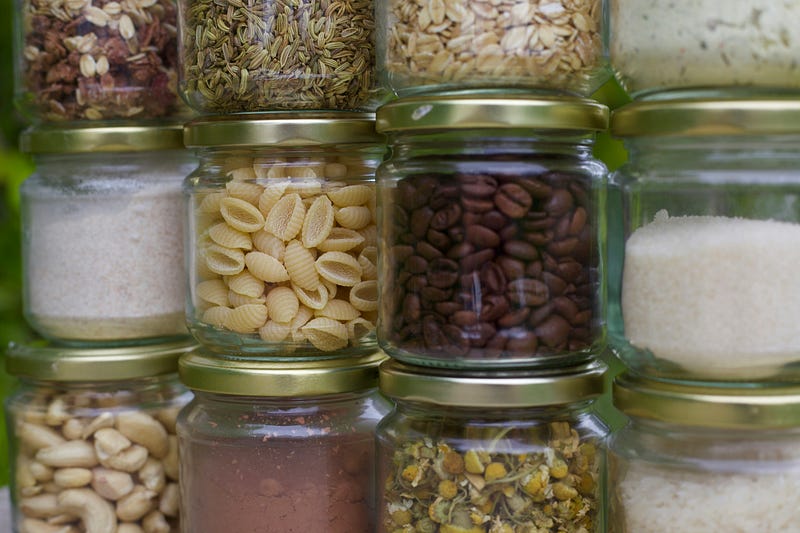
To mark the day, I wanted to share some of my favorite ways to reduce waste through reuse around the house. The photo above illustrates reusing glass jars to store pantry staples. I must admit to being obsessed with washing out and saving glass containers of all shapes and sizes. I inherited this tendency from my mother, who grew up in a large, poor family during the Great Depression. She reused all sorts of containers from purchased products, not only to store dry goods and leftovers, but to use as makeshift vases for flowers or plant cuttings, and to store office supplies and other small items. I do all of these things myself but take the reuse further than my mom ever did.
For example, if you’re fortunate enough to have access to a freezer, consider freezing fresh fruit and vegetables as well as leftovers in glass jars. Yes, you’ll have to be a bit more careful with these than typical plastic tubs or freezer bags, but when it comes time to defrost something, if you need to use your microwave to finish the thawing process, you can take the metal lid off and pop the jar in without having to worry about any chemical leaching out of the plastic into your food. Of course, you’ll need to thoroughly was the jar and its lid, and if you want to be extra sure about cleanliness before reusing for food storage, you can boil the jar and metal lid in water to sanitize them. For best results, use wide-mouthed jars for freezing, allow any hot food to cool before trying to place the jar in the freezer, and if your food has a liquid or semi-liquid component that will expand upon freezing, be sure to leave an inch or two of “headspace” between the food and the lid. If I’m freezing extra uncooked fruit or vegetables, I’ll fill the jar up all the way and just keep the food from touching the lid. This is a good way to preserve a little bit of milk that might be just on the verge of turning before you can drink it. The thawed milk won’t be good for drinking, but you can bake and cook with it. For more tips on freezing food without plastic, check out the Zero Waste Chef’s blog.
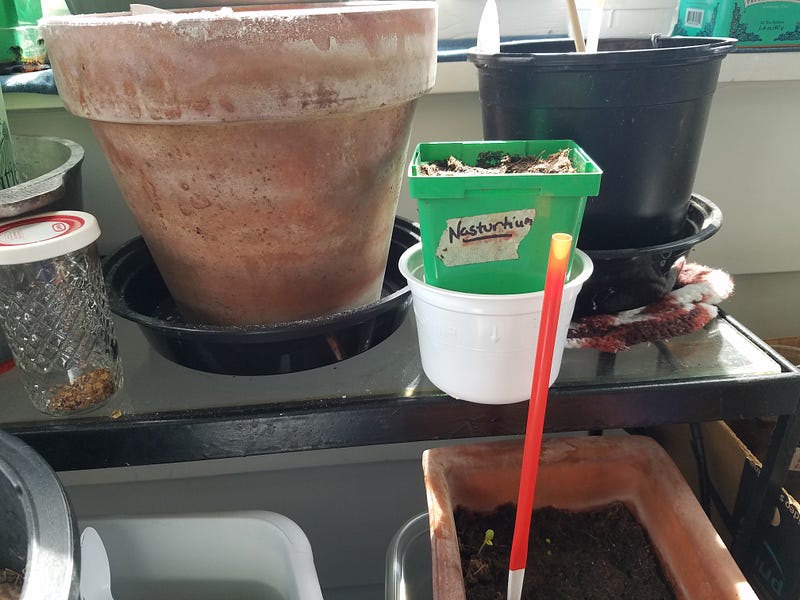
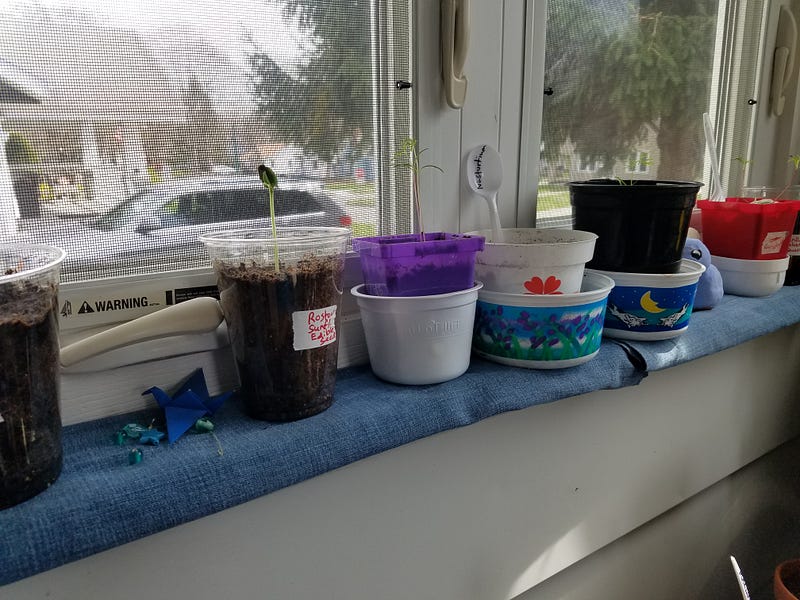
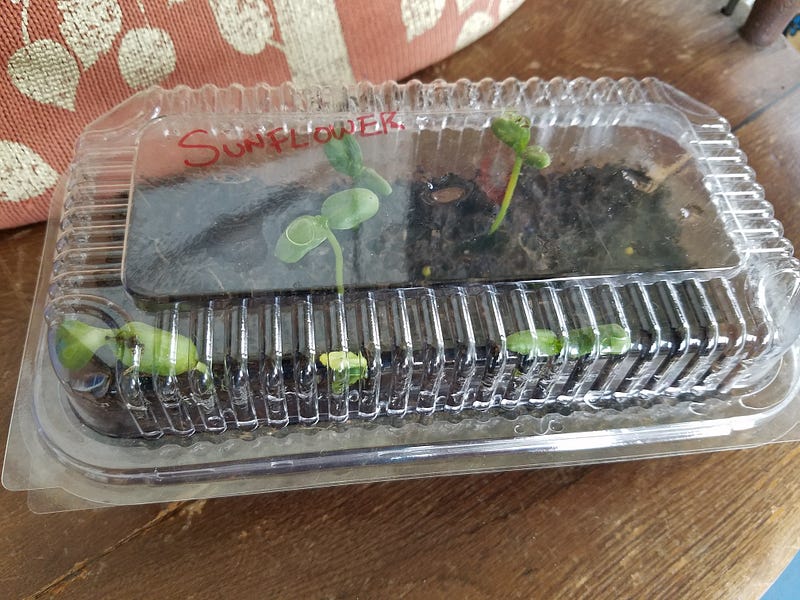
If you get takeout food, or bring home leftovers from a restaurant meal and you end up with plastic containers, wash them out well and reuse them. Of course, if you plan ahead when going to a restaurant, you can bring a lidded container or some foil from home to wrap up any leftovers, but I must admit, I never remember to do that, and my kids and I sometimes decide to eat out on a whim when we’ve had a long day out running other errands that were planned. I often use these items for gardening, putting bowls under flowerpots to catch drainage like a saucer, or using the containers as pots themselves. Plastic cups or clear clamshell-type containers (the ones with a hinged lid) can be good for starting seeds in. I try to refuse plastic spoons, forks, and knives whenever possible, but sometimes even if I’ve requested they be left out, I still get home and find them in my bag. If they’re white so I can write on them, I’ll use those as plant markers. Empty takeout containers with lids have also been employed to store seeds collected from my garden until I can plant them in the spring. Of course, I reuse any plastic pots from plant purchases I make from one year to the next too.
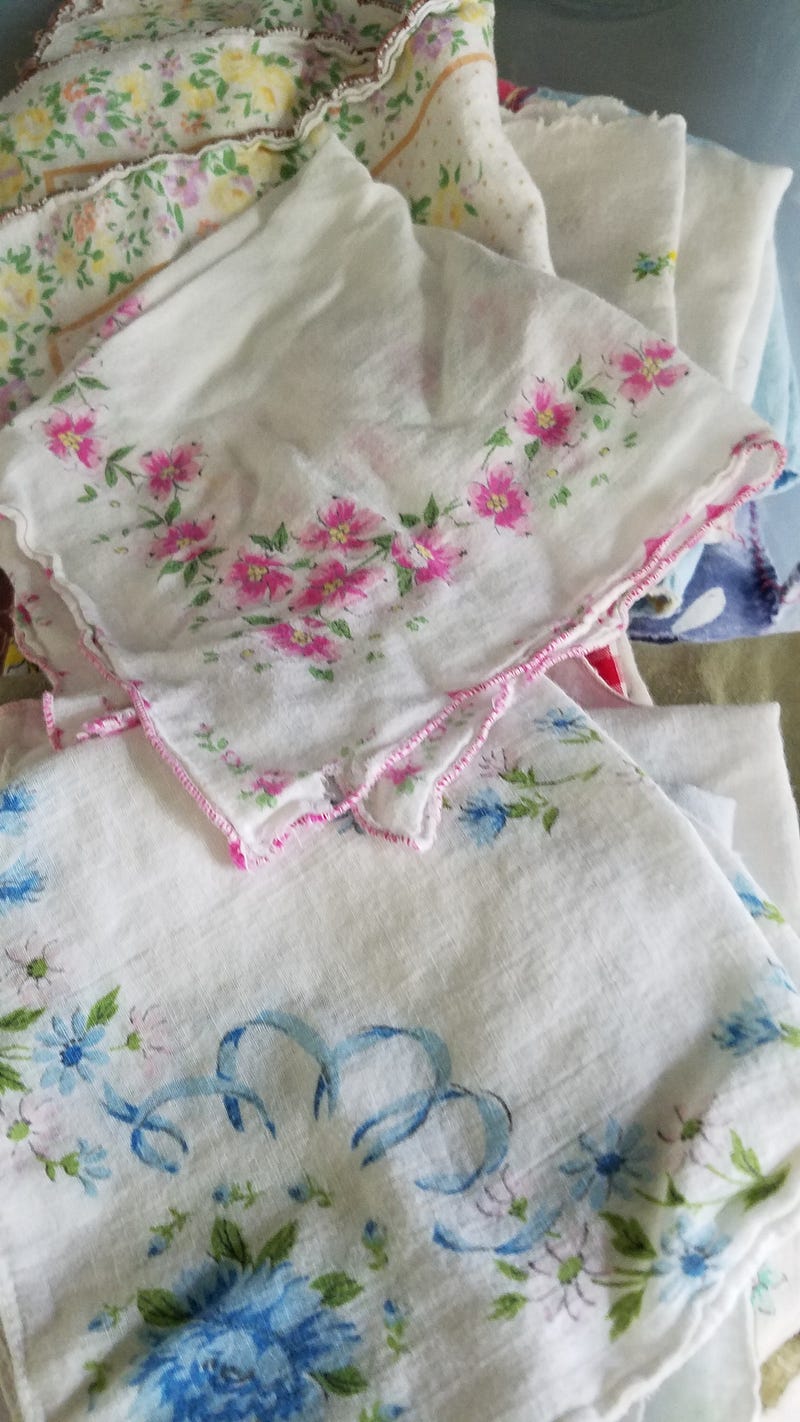
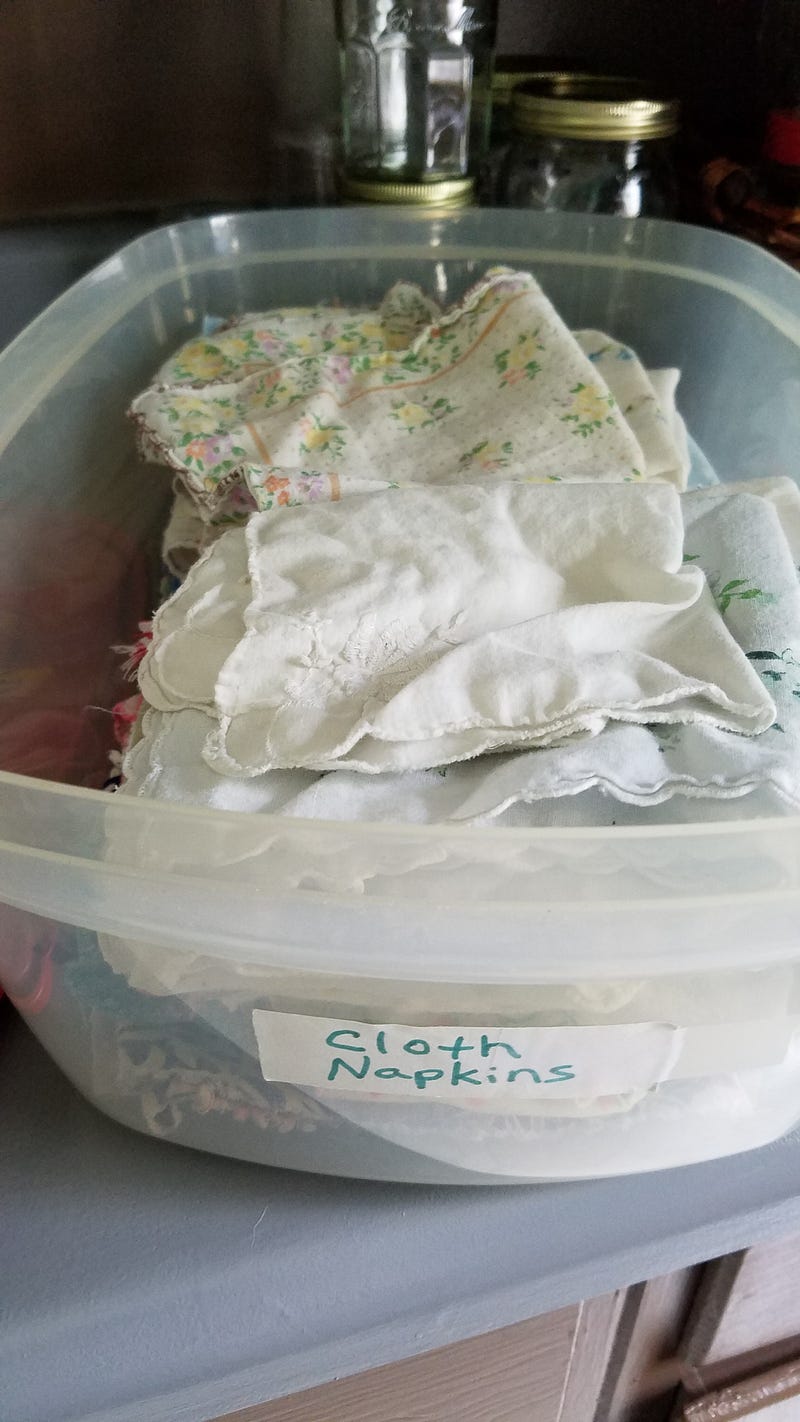
For years I’ve had a stash of “cloth napkins” that are in fact old handkerchiefs. My collection includes items inherited from and embroidered by one of my late grandmothers, as well as ones purchased from antique and thrift stores over the years. I have purchased handkerchiefs to use for that purpose, and when I’ve got a cold have a few special ones that I use and wash to save my nose from being scratched up by disposable tissues. But when my kids were small I wanted to have plenty of cloth napkins to avoid using paper ones all the time; however, I couldn’t afford them and didn’t have the sewing skills to make some. When I inherited some, I repurposed them to use as napkins instead and have added to my collection over the years. These are often quite lovely, and because they’re old, they’ve been washed many times and are soft. No they don’t match, but neither do all my plates and other serve ware, because I reuse plates and other items handed down to me. If this idea is off-putting, it’s no different than laundering cloth napkins made for the purpose. Unlike our clothes, which I was in cool water to save energy, I wash napkins like these in hot water like I do with towels or cleaning cloths (incidentally, most of those or old baby washcloths, rags from worn out clothing, and even old cloth diapers that now serve as dust rags). They get sanitized just fine. I used to wash cloth diapers when my kids were small, and once you’ve done that, you have faith in the power of soap and hot water.
I could go on at length but will stop at sharing these few ideas. Will any of these simple acts of reuse solve the waste crisis? No, but I’ve shared these to illustrate that even if you have limited means, there are always simple, relatively inexpensive things you can do to keep materials in use for as long as possible and out of the waste stream. Start with simple, small actions like this, and you’ll find yourself coming up with new ideas for reuse all the time.
What are some ways you practice reuse in your household? I’d love to hear about them in the comments. Happy International Zero Waste Day!