
CBD / Cannabidiol — How it works & Where it is used?
An overview of cannabidiol ( CBD ), what is CBD and what possible applications are there.
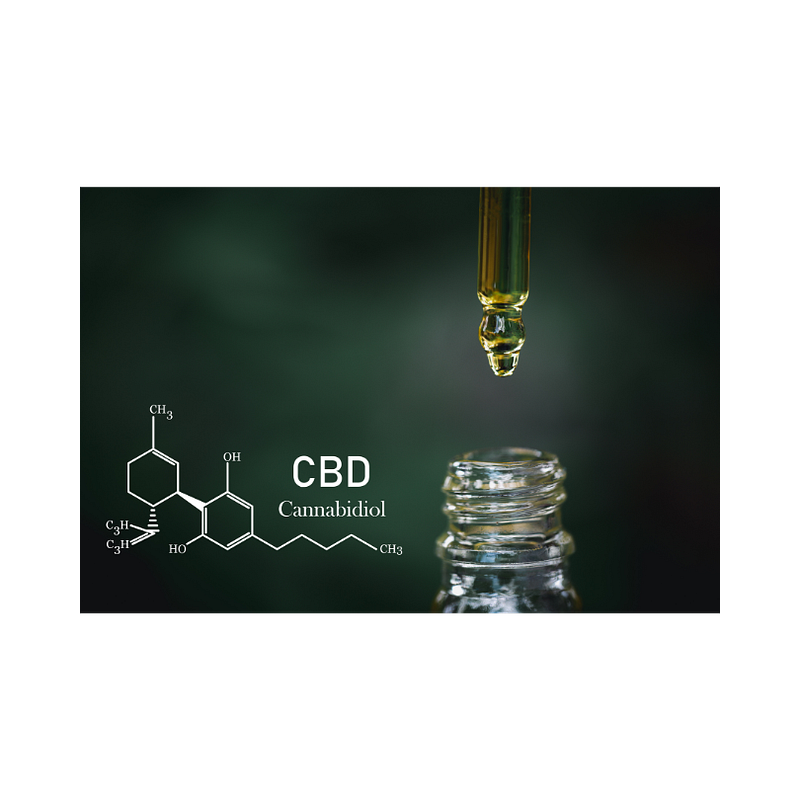
CBD — the three letters stand for the substance cannabidiol, which is extracted from the female hemp plant alongside THC. Although the exact mechanism of action of cannabidiol has not yet been thoroughly researched, the substance is said to work wonders on many websites. Unlike THC, the cannabidiol it contains has no intoxicating effect. It is, therefore, not psychoactive. But what exactly is cannabidiol, and what effect can it have on the human organism?
What is cannabidiol?
Cannabidiol, or CBD for short, is a natural phytocannabinoid extracted from the flowers and leaves of the female hemp plant. The highest concentration of cannabinoids is found in the pollen of the plant. For optimum extraction, the flowers are first dried after harvesting. The extract is then obtained from the leaves and flowers by distillation. Scientists worldwide have identified more than 500 natural components in the hemp plant. Around 100 of these are so-called cannabinoids.
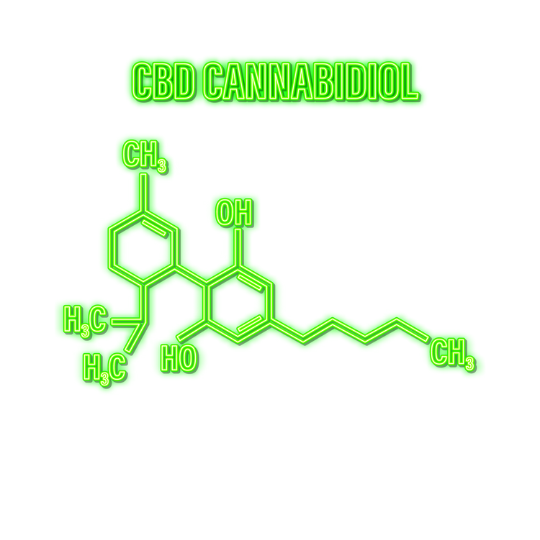
The production process using the so-called subcritical CBD CO2 extraction is particularly gentle. The extraction process is safe and non-toxic. As the extraction takes place at lower temperatures and at a lower pressure, the process has to be repeated several times. Due to the gentler process, the concentration of cannabidiol is very high, and the valuable terpenes are retained. A high level of expertise is required to produce CBD using CO2 extraction. The method is also very expensive. This usually has an impact on the price of the product.
Cannabidiol is processed into various products after extraction
The best-known dosage form of cannabidiol is CBD oil, which is available in many different concentrations. Oils containing 5, 10, 15, 20, 30, or 40 percent are frequently available on the market. The extract from the female hemp plant is mixed with high-quality organic hemp oil to produce a good CBD oil. However, cannabidiol is also contained in teas, chewing gum, and various cosmetic products. CBD oil is now also available for pets. The oils are said to alleviate numerous complaints such as constitutional problems, anxiety, or pain in dogs or cats. The oil, which is mixed into pets’ food, is not suitable for humans.
The effect of CBD in the body
Cannabidiol can have very different effects on the body. This is not least due to the body’s endocannabinoid system. The substances contained in the various CBD products are very similar to certain endogenous messenger substances. They can, therefore, also fulfill the same function as the body’s messenger substances. The positive effect of CBD has now been proven in several clinical studies, and there is already a drug that has been approved in the USA and Europe. In general, cannabidiol has a calming, analgesic, and anti-inflammatory effect in humans. CBD can also have an anxiolytic, stress-relieving, and antipsychotic effect. Migraine patients also report that it has an excellent effect on their symptoms.
Research is being conducted worldwide in various clinical studies
The effectiveness of cannabidiol is now being researched in many different areas. Due to its antioxidant properties, scientists believe that CBD could inhibit the growth of cancer. The potential benefits of CBD have also recently been tested in the latest Alzheimer’s studies.

Application and dosage forms of CBD
The best-known dosage form of cannabidiol is CBD oil. The oil, available in various concentrations, is usually taken orally. The drops are placed under the tongue using a pipette. Medicines can be absorbed quickly via the mouth, like natural active ingredients. The oral mucosa absorbs the cannabidiol and enters the body very quickly in this way. The recommended dosage cannot be generalized. Beginners should base the dose on their weight and the oil concentration. A low dose is 2 to 4 mg cannabidiol per 10 kg body weight. A medium dose is 7 to 8 mg. A high dose is 14 to 16 mg cannabidiol.
The easiest way to calculate the dosage is according to body weight
If an adult weighing 80 kg chooses a light dose, the initial dosage should be around 16 to 32 mg. Assuming that a bottle containing 30 ml has a CBD content of 300 mg, 1 ml contains around 10 mg. Commercially available pipettes take about 1 ml. The daily amount is then the amount from about three filled pipettes. When dosing, always pay attention to the body’s reaction. If no symptoms occur, the dosage can be increased.
An overdose of CBD does not normally have any negative effects
Of course, it is possible to overdose on CBD products through ignorance. The overdose of cannabidiol has also been investigated in the USA. In the so-called study entitled “Safety and side effects of Cannabidiol,” the test subjects were administered high doses of 1,500 mg every day. The reports show that the increased dosage was well tolerated by all the people tested and did not lead to any problems.

CBD Oil vs. Hemp Oil
As cannabis is the Latin word for hemp, many people assume that hemp oil and CBD oil are the same or very similar. However, this is not the case. Hemp oil is extracted from the male hemp plant in oil mills. The oil is cold-pressed in the mills. In this production process, the hemp seeds are gently pressed at below 40 °C. After extraction, the hemp oil is not refined and retains its special taste and valuable ingredients. Hemp oil is ideal for cold use. Organically produced hemp oil is very suitable for mixing with CBD.
Cannabidiol is extracted from the female cannabis plant
If you look at the type of plant and how the CBD is produced, the difference is immediately evident. Instead of hemp seeds, cannabidiol is made from the flowers and leaves of the female plant. Cannabidiol is obtained using a very complex distillation process. Heat and a vacuum are used during distillation. CBD is dissolved at temperatures of up to 165 °C. Wax, fat, and undesirable compounds only dissolve at even higher temperatures. The lower the temperature at which the CBD is distilled, the higher the quality of the ingredients in the distillate. Organic hemp oil, which is cold-pressed, is generally always used to blend high-quality CBD oil.
Buying CBD oil — what to look out for?
The market for various products containing cannabidiol has grown considerably in recent years. In addition to the very popular CBD oils, you can find various capsules, tablets, liquids, extracts, teas, as well as cosmetics and animal products in stores or online. To avoid losing the overview when buying products, you should always pay attention to the following aspects. The package inserts or packaging indicate the CBD and THC content of the product. In order to obtain approval in Germany, the THC content must not exceed 0.2 percent. The hemp cultivation area, the purity and the extraction process also indicate whether the product is a good one. If you buy the products online, it can also be interesting to read the reviews of various buyers. Cheap CBD oil in particular is often of very poor quality. High-quality oils are almost always organically produced and in many cases cost between 50 and 60 euros per 10 ml.
Side effects and interactions of CBD
As with medicines or foods, products and oils containing CBD can of course also have side effects and interactions. This is simply because each person metabolizes or metabolizes cannabidiol differently in combination with medicines, as the enzyme balance is very different. If the medication is metabolized more slowly, the dosage may therefore increase. In addition, various effects such as dizziness, headaches, tiredness and drowsiness can occur. Diarrhea is also possible if cannabidiol is not tolerated.
Despite possible side effects, cannabidiol is classified as safe
The WHO has classified cannabidiol as safe and at the same time ruled out the possibility of cannabidiol becoming addictive. The data available to date from studies and investigations by scientists also show a good safety profile. However, the proven safety profiles only apply to approved drugs and defined preparations of pharmaceutical quality. Only the drug Epidyolex is currently approved.
Who is CBD not suitable for?
Even though a good CBD oil is a purely herbal dietary supplement that must comply with the legal requirements for herbal dietary supplements, it is not the best solution for everyone. For example, if you take a lot of painkillers, neuroleptics or anticoagulants, CBD can cause various interactions and severe side effects. CBD oil should then only be taken in consultation with a doctor. Cannabidiol is also not suitable for alcoholics or people with a damaged liver. Cannabidiol is also not particularly helpful for children and pregnant women. In pregnant women who take cannabidiol, it is possible that the CBD it contains increases the permeability of the placenta.