September 11
Caught in Between Two Worlds — What 9/11 Looked Like For Me
A reality check for a nation idolising Western culture
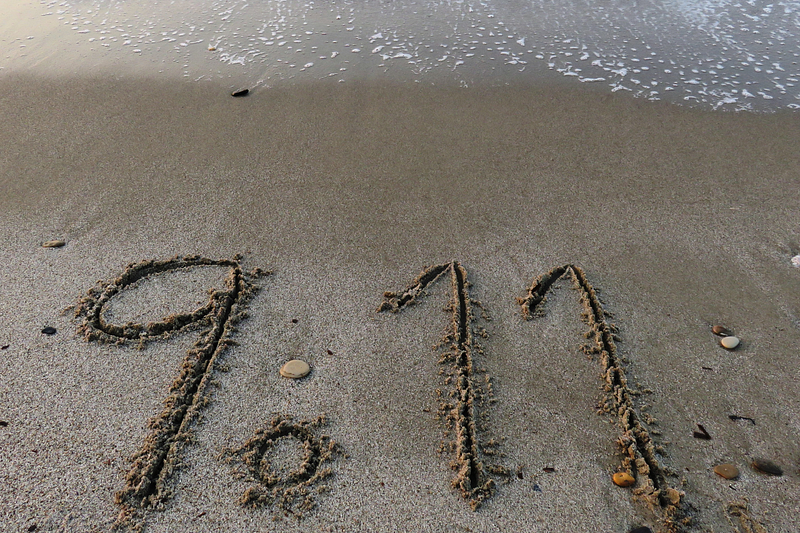
“Well I just heard the news today It seems my life is gonna change I close my eyes, begin to pray — “
From the song “With Arms Wide Open” by Creed
Two decades feels like a lifetime. It is. But everything from that day just seems so near and raw.
The sandbox, 2001
I remember the first time I heard the term sandbox, attributed to Middle Eastern countries. My friends and I joked about it a lot. Ironically, that sandbox became my home shortly after.
The summer of 2001 was great considering the rough head start moving to the Middle East in 2000. I had just graduated from art school and was having the time of my life travelling between Egypt, Syria, and Jordan — or the sandbox.
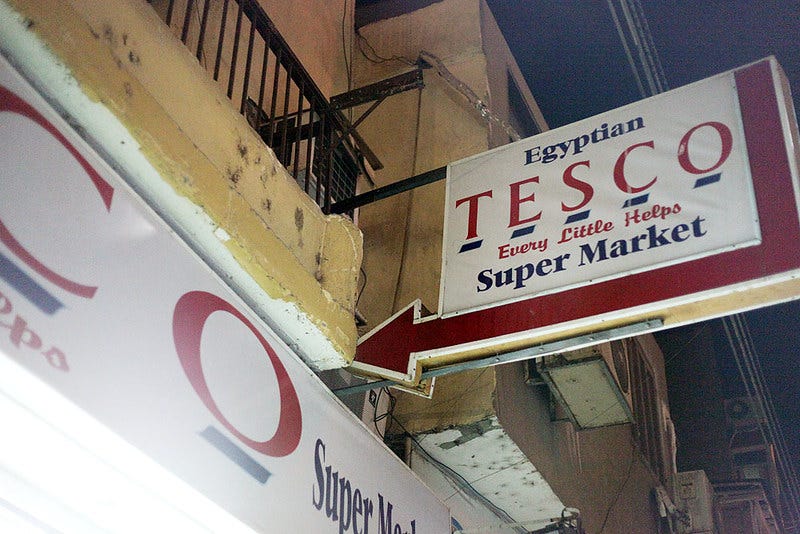
Settling in this new home took me a while. Mainly because I was working too hard to fit in. It turns out, all I had to do was nothing. People there liked me for the westerner I was. “Do you eat cornflakes every day?”, “ Do I have the style of a westerner?” were on the top 10 list of questions asked.
Why couldn’t they see their own culture the way I saw it? Layers and layers of history and civilizations. The beauty of their own culture is hidden beneath a fictitious image they have of the west being more superior and civilised.
In one of my early sketches of one Egypt’s older neighbouhoods I was fascinated by the result. What I had in front of me was a sketch of an alley with the architecture of at least four different historical periods. And when you speak to them about this beauty, they respond “oh, that’s old and nasty. You probably don’t have things like this in Europe. Everything is clean and nice.”
Anyway, things started looking better for me halfway through 2001.
“I knew we would become friends when I saw you with those red Dr.Martens boots!” Blurted Rosa out loud at the cafe. Can’t blame her — I’ve never seen so many tacky shoes in my life.
Our cafe was a hidden gem. It was popular with ex-pat students, indie musicians, poets, and writers. I found it while I was trying to find my way back to Tahrir square for my visa renewal. I was so lucky to have found Rosa and her boyfriend, Filipe, that day. They introduced me to others who made my life in Egypt bearable. Rock music and outlandishness are what made us the dream team.
Purple mane haze
All cramped up in this high-end, all-female hair salon. Fast paced Arabic songs blasting from their teeny tiny TV dangling from the ceiling. I got my CD walkman out and put my summer tune on “With Arms Wide Open” and flipped through one of their magazines — all western women. There was just one black girl in the entire magazine. I looked around me, and no one looked like those women in the magazine. Those people, I thought. Fatima was mixing my purple hair dye while chattering away in her English. The fumes of hairdye got me a bit hazy. It helped numb my brain temporarily until Fatima was done talking.
Rosa introduced me to this place as it was the only place where they spoke English, albeit broken and with a heavy accent. It didn’t bother me. It bothered the hairdressers.
They would constantly ask me what I thought of their English. Speaking good English and eating cornflakes every day for breakfast were on their bucket list of unfulfilled privileges. She never told me but spoke about it often.
I don’t recall a time when anyone back in Europe was thinking as highly of the sandbox. The vicious reminiscence of colonialism was pretty evident in this country. I’ve seen somewhat the same during my visit to Jordan and Syria. Living this experience was disturbing and painful. It’s not what they think it is. How do you reason with an entire nation?
World War III
This was my tune at the time. It became my CD Walkman’s companion for summer 2001. And it stayed on, until the attacks.
The smell of hairdye ammonia and this song still remind me of this day.
In a different time and place, they wouldn’t be my crowd. Right there and then, they were perfect. Each afternoon, like clockwork, we got together at 17:00. I usually had a few drinks with them and went home before 21:00. Those guys turned this cafe into a place I longed to visit after a long day of dealing with wannabe westerners.
On September 11, only Filipe was able to make it. Tonight was special, and I was well-prepared with my new hair colour. He was going to play something on his guitar he had composed for his Rosa. She had to fly back home, so I brought my video cam to record it for her. It was his first time playing the song outside his bedroom. The whole cafe clapped for him — he nearly cried. Aw.
The cafe owner stood up and turned the sound on the radio up, facial expressions began changing like a domino effect. I will never forget. What’s going on? Filipe got a phone call from Rosa. She said hi and told me World War III had just broken. What in the world was she blabbering about? Being used to her craziness, I just brushed it off until people at the cafe started speaking louder. This doesn’t feel right.
The cafe owner suspected something was going to happen and he asked us to leave so he could close the place. Bummer.
Insane security measures
The changes that came as a result of this tragic event spoke volumes. Suddenly the Middle East started realising that the culture and life they looked up to, had no care or even knowledge for their existence. I couldn’t believe their surprise and anger. What were they thinking?
What a big slap in the face that was. It was finally time for a reality check.
Organisations in the Middle East were created to bring local cultural awareness to their people, businessmen were encouraged to create products to replace things like Coca-Cola and Pepsi. All of a sudden everyone was aware that their idol had no respect for their culture or being.
No race is better than the other. Something the people of the Middle East finally realised.
The power that 9/11 gave to corrupt police states in the Middle East was disgusting. Innocent civilians were thrown into police custody on a daily basis under new state emergency laws. Women were raped by police officers and no one could speak up. This is merely a glimpse of the ugly truth people lived day in and day out. My fingers are trembling as I’m typing this paragraph.
Where was I with all this? I was caught right in the middle. What this event meant to me was different from most people I was surrounded with. It made me realise I had no identity. Saying I’m mixed race doesn’t solve my dilemma.
For me, it was the beginning of an end. Through this big mess of the people’s self-realisation it urged me to find my identity. It was the beginning of a journey of finding my identity. I’m half Arab, I’ve always been but how come I’ve never identified as one before 9/11?
The second Intifada in 2000 shook me, but not enough to actually learn about my heritage. It made me wonder, how many times my father’s identity has died down my lineage. Oh, yes I forgot — his Arabness wasn’t western enough.
In pursuit of my identity I understood the culture of the sandbox better. Fell in love and broke up with it several times. That’s ok, we’re still together.
My identity was lost and wasn’t found until 9/11.
Thanks for staying around. Until next time, be kind.
Jay