
A JAPANESE PROVERB
Cat Skins on Shamisens and Unforeseen Consequences
Unlikely events can result from seemingly trivial occurrences
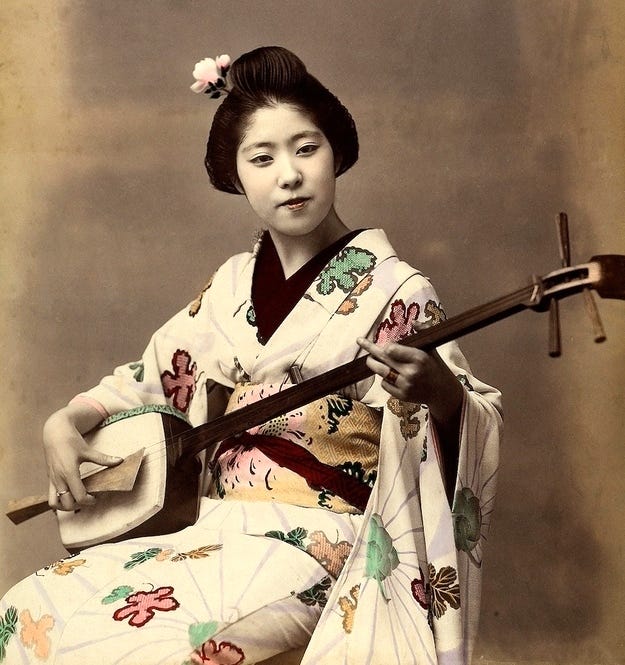
There is a Japanese proverb, 風が吹けば桶屋が儲かる, Kaze ga fukeba, okeya ga moukaru, which means, “When the wind blows, the barrel-makers profit.”
When I first heard that one, I was stumped. What could it mean?
As unlikely as that sounds, the story goes like this:
- The blowing wind stirs up clouds of dust from the ground, getting into people’s eyes and causing blindness.
- The blind take up playing the shamisen to make their living. The blind famously made their living as musicians as far back as the 13th century in Japan.
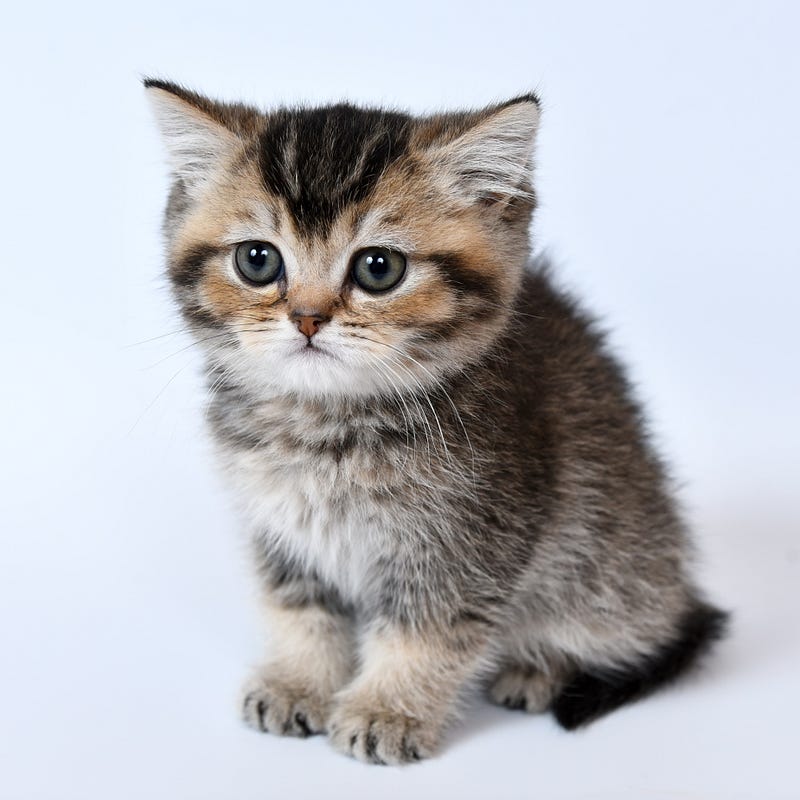
- The greater demand for shamisens results in a greater demand for the cat skins that are used for covering their sound-box.
Woah, wait! Cat skins? Really?
A word about shamisens
The shamisen is a 3-stringed instrument that originated in the Ryūkyū Kingdom, now Okinawa, in the 16th century. At that time, Ryūkyū was sending regular tributary missions to China, and the shamisen developed from a Chinese instrument called the sanxian that was brought back during those missions.
Ryūkyū shamisens are traditionally covered with snakeskin, while others used cat or dog skins. The thinness of the skin was said to produce a more beautiful sound.
Times have changed. Recently shamisen makers, few though they are, have experimented with imported kangaroo skin and various types of polymers.
Gone are the days of catching stray cats for the shamisen makers.
Back to the proverb
- Due to their skins being used to provide the newly blind with shamisens, fewer cats result in an increase in the mouse population.
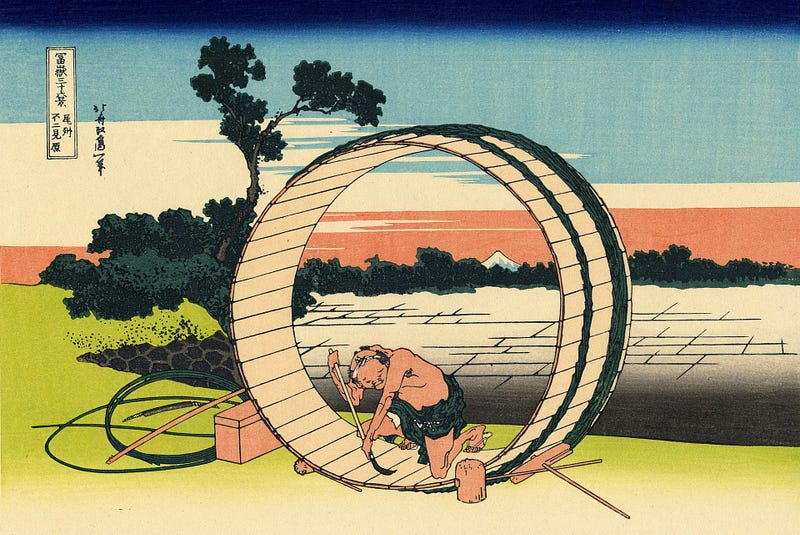
- In their frenzy for food, the unchecked mice nibble at barrels, destroying them.
- The barrel-makers find their barrels in greater demand, thereby earning them unexpected profits.
When the wind blows, the barrel makers profit.
Recent winds blowing in this world have caused unforeseen consequences.
- The pandemic caused a surge in real estate prices as people working from home sought out nicer houses.
- There have been trends in more healthful eating due to more people cooking at home.
- Other families have struggled, and their health suffered due to a lack of work and income.
- The jury is out on how years of seeing only mask-wearing teachers and caregivers will affect babies and children's educational and mental development.
What other things happening today may cause unforeseen consequences down the road?
Joining Medium using the link below provides me with a small commission. My sincerest thank you to those who have!


