

Car Payments Are Stupid.
Don’t trade your financial freedom for a depreciating asset on wheels.
According to Edmund’s, “the share of consumers who financed a vehicle with a monthly payment of $1,000 or more reached 17.1 percent last quarter.”
$1,000 a month, for a car!
What’s more?
At 9% interest to boot!
$1,000 is extreme, but, according to Experian, the average monthly payment for new cars in the USA is $725.
Moreover, 65% of borrowers had an average loan term ranging from 67 to 84 months.
Recall that most cars experience an average of 50% depreciation within 5 years of being made.
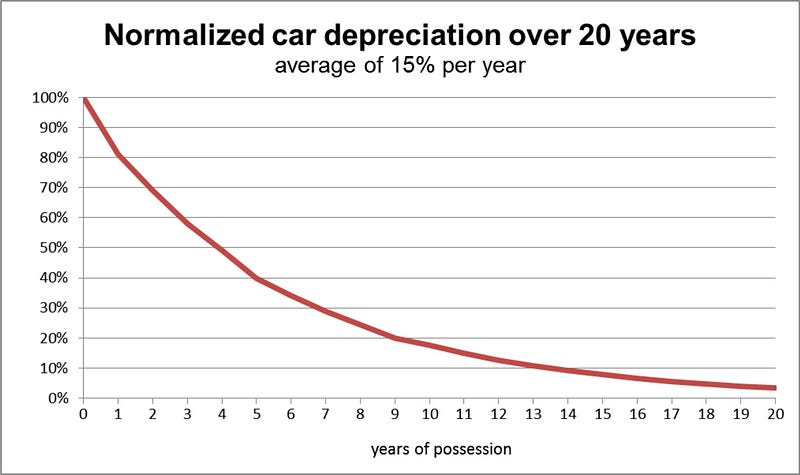
Paying monthly payments, with interest, on a depreciating asset is what I call stupid! I admit, I have done it! So do most Americans!
Americans love their stupid car payments. And most Americans are BROKE!
But what if most instead subscribed to the 1/10 car buying rule and invested their “would be” $1,000 car payment?
Let’s do some math!
What would a $1,000 monthly investment in $VOO (Vanguard’s S&P 500 ETF fund), compounding at a rate of 13% (the fund’s return since inception), accounting for a 5% variance, over 7 years, give us?
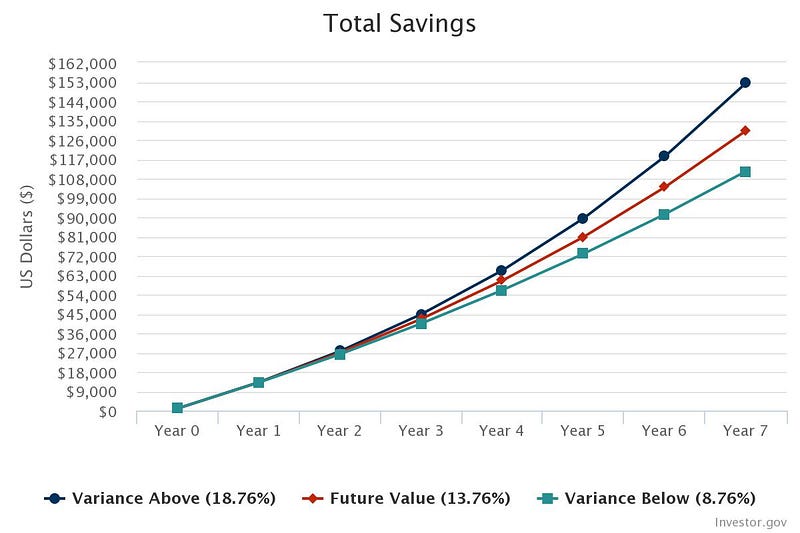
Choose your own adventure!
Path One, investing monthly: From $108,000 on the low end to over $125,000 on our average return trend line!
Path Two, buying a car on loan: A car worth just 30% of what at it cost new, plus the expense of interest!
I would choose Path One! Stop acting rich with a car-flex and actually get rich!
I love cars as much as the next guy, and have a personal dream to own a Porsche 911 some day. But also believe that most everyone, minus millionaires, should be buying used cars, with cash, that are not large percentages (below 20%) of their net worth.
Save and invest the differences and you can buy whatever you want later.
Thanks for reading.
If you are looking for more help getting out of debt and building wealth, you can get my newly published Zero To Wealth Workbook here! This is the exact method I used to pay off debt and build wealth and will help guide you along. Subscribe to get my stories via email and I will send you a digital copy FOR FREE.
Some of my other, recent popular stories on finance.
Woman Invests $60,000 Over 12 Years With “Financial Advisor”…Comes Away With LESS!
How To Destroy Your Financial Future With The Aven Credit Card!
I Asked Four, Old, Wealthy Guys Five Questions About Money
Disclaimer: The information provided herein is for educational and informational purposes only and should not be construed as financial advice. Any investment decisions should be made after consulting with a qualified financial advisor and considering individual risk tolerance and financial goals. Past performance is not indicative of future results. All investments carry inherent risks, and individuals should carefully evaluate their own financial situation before making any investment decisions.