
I seem to be more excited for the Pixel 6 Series than iPhone 13 Series…
Every year, even before August hits the calendar, strong leaks and rumors start building up for the new iPhones, I get so hyped up and excited about the new iPhone series. My mind gets crowded with so many questions like what the build would be like, how the cameras would be improved, and many other things. But not this time, I don’t feel that kind of spark or hype for upcoming iPhones, even though 2021 iPhones have a lot more going on. Instead, the phone that has got my attention is the new Pixel 6 Series.
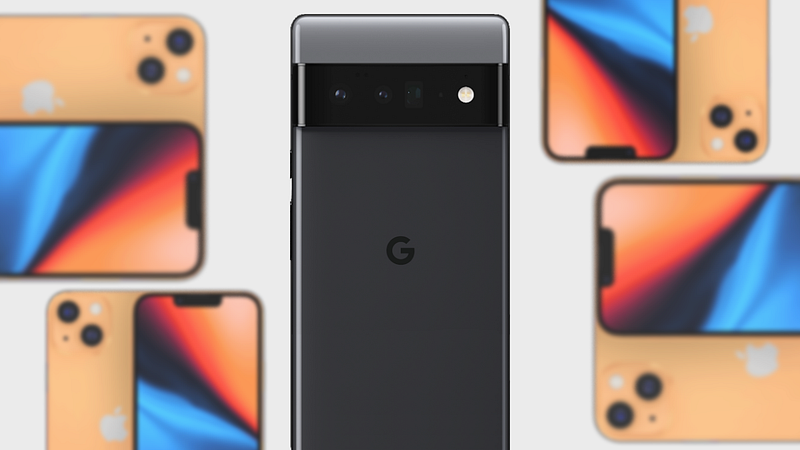
Let’s talk more about this.
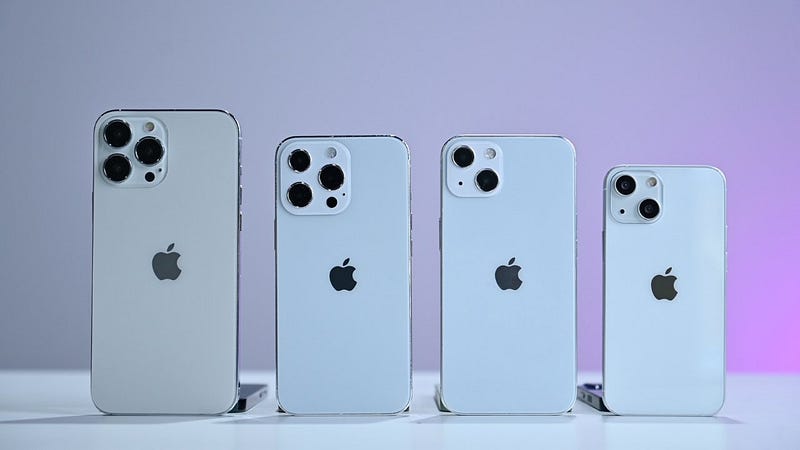
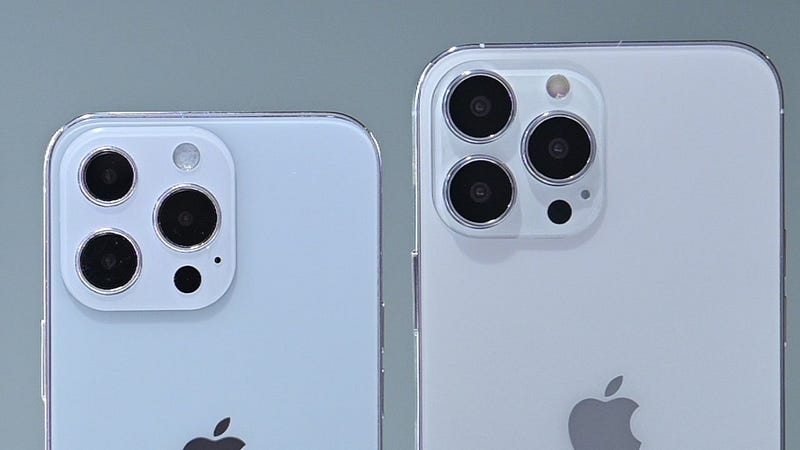
So, it hasn’t been long since I first saw the render of the iPhone 13 Series, iPhone 13 to be exact, and based on renders, Apple hasn’t done much with the design other than shifting the camera lens to diagonal from linear. But what annoys me is the iPhone 13 Pro render, that non-uniform camera lens? yeah, not doing it. Although it's hard to expect this design from Apple, I mean like, they take the design part so seriously and uniformity speaks for itself in Apple’s design.
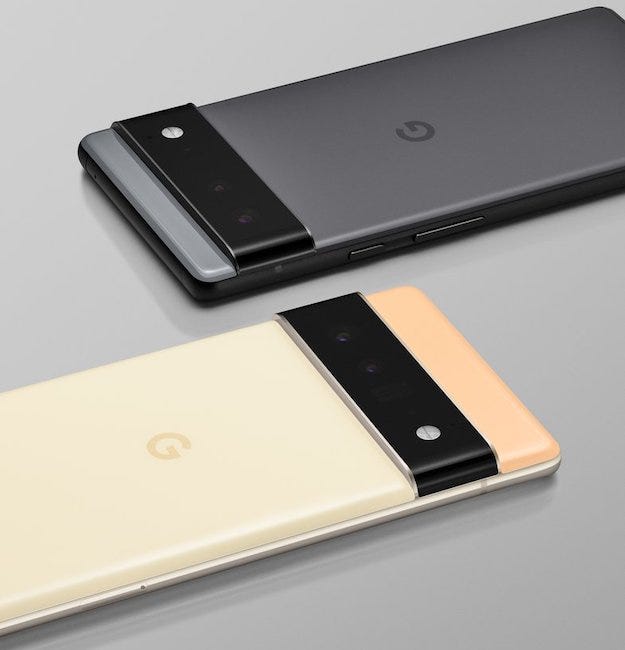
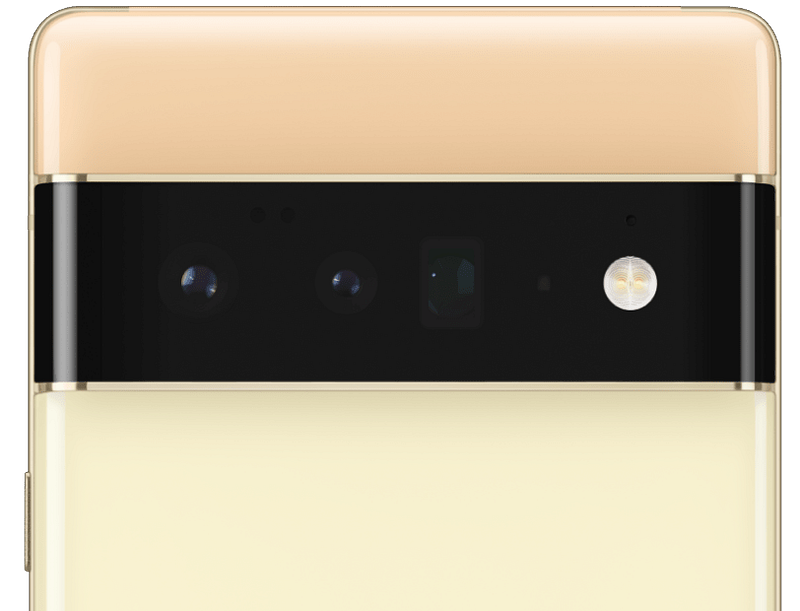
Meanwhile, Google literally changed the aesthetics and appeal of the Pixel with its 6 Series, and I think the layout will now justify the performance of the camera too (considering the previous Pixels). Remember Google Pixel 2 with the subtle back and single camera lens and dominated the smartphone camera market with the likes of iPhone X and Note 8. It was the perfect example of ‘Don’t judge the book by its cover’ but here, Google upgraded the cover itself and the book has been rewritten with major upgrades.
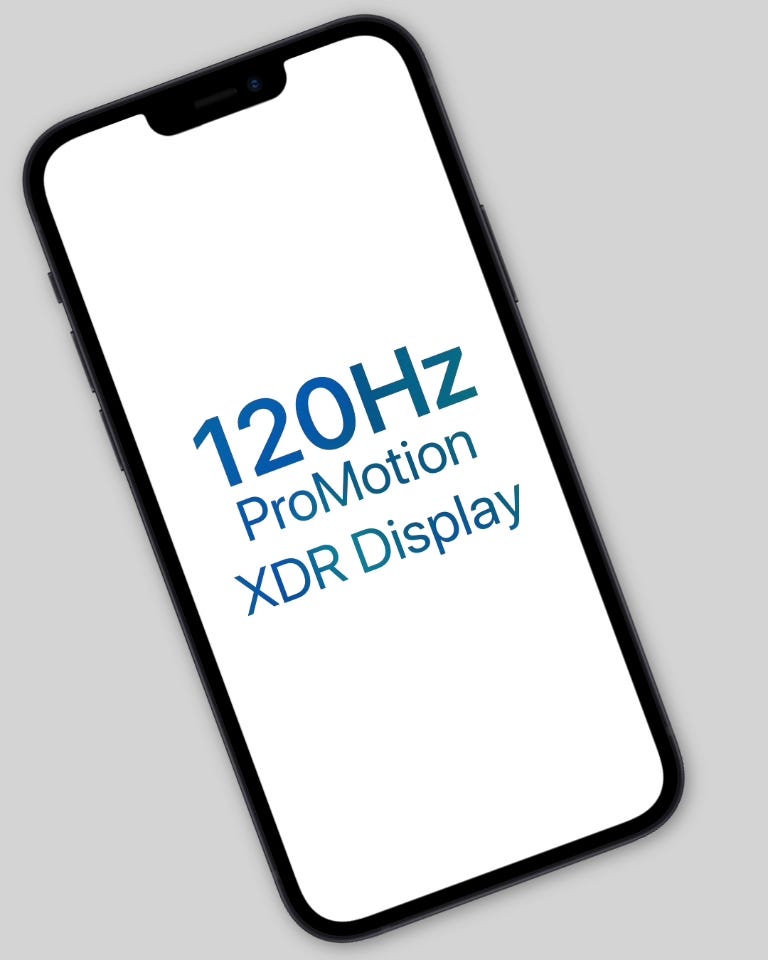
Coming to the display, it seems Apple isn’t holding back this time either, last year, Apple brought OLED panel to every model of the iPhone 12 Series, the only thing that was missing was a high refresh rate display, but not anymore, leaks have it that 120Hz ProMotion display with LTPO (Low-Temperature Polycrystalline Oxide) technology is coming in Pro variants which will enable the display to dynamically change the refresh rate from 120Hz to minimal 1Hz based on the content being displayed. I hope they keep the OLED panel in the non-Pro variant too. I’m curious to see whether they will bring Always-On Display (of course they’re gonna name it something else) now that LTPO is being used.
Google has decided to go with 120Hz with 1440p resolution on the Pro model, whereas Pixel 6 will rock a 90Hz refresh rate display capped at 1080p, as of now, there is no info on whether it will be an LTPO panel or not. Although I hope it does, I don’t know, it’s just this feeling that Google might skip on it. Do let me know what do you think, alright?
But what’s more important than these crazy numbers is that Apple has finally decided to shorten the notch, and Google is going with punch-hole in the middle this time. You know, when I first saw the render of Pixel 6's display, I thought I was looking at a Galaxy S20. It looked similar, way similar I’d say! TBH, Google didn’t flatter me on the display part.
Now, it may seem like, all I’m doing is comparing them on their on-page leaked specs and straight away criticizing iPhone 13 Series, but that’s clearly not it, just wanted to put it out there. It's more like using them to express my feelings, justifying the excitement I’ve felt in a long time.
Well, the camera is where Apple and Google have put a lot of change into with their upcoming phones. Let’s start with Apple, iPhone 13’s Pro variant might have larger apertures than in the 12 Series for the ultra-wide cameras, going from f/2.4 to f/1.8 letting more light to the sensor to enhance low-light performance.
And, what I’m most eager about is how well will Apple implement the new Cinematic Video (live bokeh video-recording) feature in their new iPhone, teased earlier by Mark Gurman.
Apple first added Portrait mode to the iPhone 7 Plus in 2016, and it quickly become a fan favorite. The feature can put a person in sharp focus while blurring the background in what is known as a bokeh effect. For the new iPhones, Apple plans to add this same technique to video with a feature internally dubbed Cinematic Video. Like with still photos, the iPhone’s depth sensor will create the effect and allow users to change the amount of blur after recording. - Mark Gurman
I remember when Google introduced Night Sight with the Pixel 3, addressing the common issue (like monstrous red eyes, face white-balance) and changed the low-light photography. Apple had a lot to catch up with when it happened, and then in 2019, Apple introduced the Night Mode in iOS, and then, it wasn’t far when Apple started beating Google in their own game.
At last, after 5 years, sucking the life out of 12.2MP sensor, Google is coming with some big guns, like the triple camera setup fitting 50MP wide lens, 48MP telephoto lens with 4x optical zoom, both with OIS, and 12MP ultra-wide lens in the Pixel 6 Pro, whereas a dual camera setup fitting 50MP wide with 12MP ultra-wide in Pixel 6. Looks very unlike Pixel, right? While these numbers fascinate me, I'm eager to see how Google optimized the sensors with the new Tensor chip.
Let’s come over to the performance part, and here, Apple has always been taking the lead since like, forever? I think it won’t hurt to say that Apple SoCs are ahead of their time, Apple A14 Bionic was the first to come with a 5nm process and is still going strong without any hiccups. One of the reasons why Apple can provide freakin’ 5 years of updates to every iOS device is that they’re confident enough of their hardware to make a 2017 iPhone relevant in 2021 too, which is a commendable thing.
But you know, how it becomes a norm when you stay at the top in your field that it becomes so usual, hell, even I’ve noticed myself saying “Well, that was to be expected” so many times. So, I wouldn’t be surprised if A15 comes to be dominant to the other SoCs out there, including A14. I would like Apple to change the name from Bionic to something else tho, not that it's gonna make any difference in performance or efficiency, but they’ve been using it since iPhone X, right?
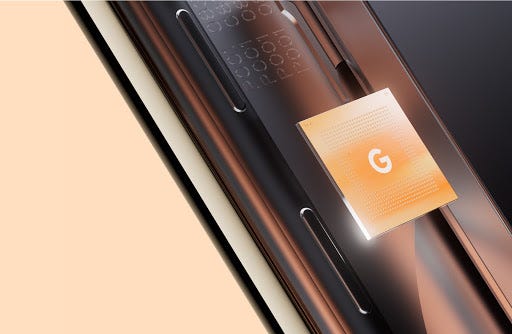
Pixel 6 Series is flying solo this time, rocking Google’s custom-designed chip for the first time and that is one of the few reasons which got me excited for the Pixel 6 Series. Google Tensor is an ARM-based octa-core processor also made on a 5nm process. The main objective is to give the camera more computational capabilities for better ‘on device’ AI processing.
The Pixel 6 can apply AI and computational photography to video like when shooting a sunset, Pixel 6 can automatically adjust the white balance and increase the dynamic range. It is also said that Google will push OTA updates for the next 5 years for these two devices which is commendable
Pixel 6 Pro will be rocking a 5000mAh battery, whereas Pixel 6 will be somewhere above 4500mAh. Right now, I can’t hope much, given a new Tensor chip, and how the optimization will be done, although Android 12 has been made way efficient and fast due to the reduced CPU usage of Core System Services. If the LTPO display comes out to be true, it would help more with efficiency.
Although every iPhone 13 variant is getting a battery bump, iPhone 13 Pro Max seems to be getting a massive boost by 18%, going from 3,687 mAh to 4,352 mAh. It is also tipped that reverse charging could be present in Pro models, I’m not sure of it though.
It seems to be highly likely that iPhone 13 Series will take the pricing of the iPhone 12 series respective to their variants. Google, on the other hand, is certain to land the Pixel 6 Pro at a premium price point, I think it would be around $900.
“We weren’t represented in the smartphone flagship segment for the past two years — and not really before that either. But the Pixel 6 Pro, which will be expensive, was designed specifically for users who want the latest technology…But the Pixel 6 also belongs in the upper segment and can keep up with competing products. I would call it a ‘mainstream premium product.’” — Google’s Rick Osterloh, SVP Devices and Services
In addition, Google is also walking in the footsteps of Apple by shipping the package without the adapters. Something to keep in mind.
While the camera and the Google Tensor chip almost had me on board with the Pixel 6 Series, Android 12 is what gave it a final thrust. All the personalization, like the custom color palettes and color extraction, privacy and security features like privacy dashboard keeping the logs of the apps accessing camera and mics, light indicators which is something I wanted in Android after Apple introduced it in iOS 14, and options to choose between precise location and approximate location. I would say Android 12 is the major and best upgrade after Oreo, be it privacy, performance, and appearance.
The only thing that would stop me to recommend the Pixel 6 Series would be to see how seriously developers take this transition and make their apps compatible with the Tensor. I’d say wait till the reviews and few months after the launch to see the experience of people using that device before you decide.
Well, that’s been it guys, I know this article could come off as totally based on leaks and rumors but I feel it's more than a mere list of specs. The reason behind this story is what I believe to be my desire to share this feeling of dominance in my head, I’ve felt in a long, over an iPhone that Pixel 6 has created. Hope you guys enjoyed reading it! Peace.
My other Apple-related stories you should consider reading:


