
Cancer Treatment 101
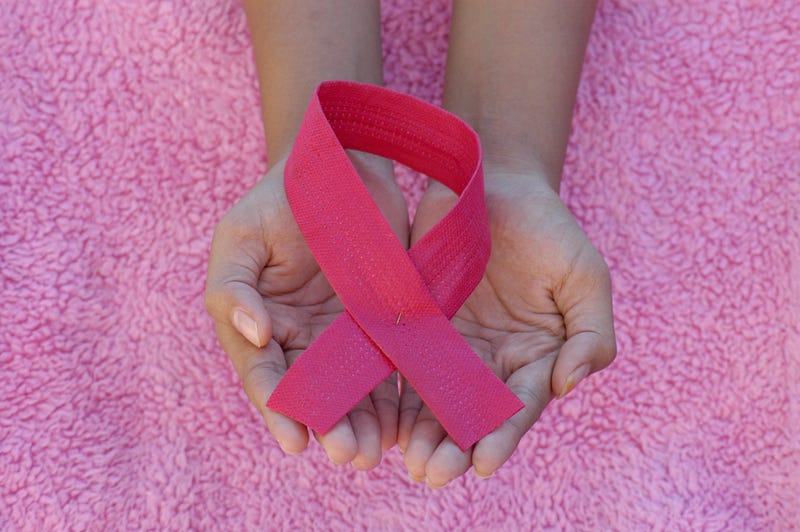
Cancer treatment is a common term when discussing future advancements in medicine. However, the specifics of this complicated and evolving treatment are something that most people are unaware of.
So what is cancer treatment?
Simply put, treating cancer can be broken down into four simple categories: cut, poison, burn, and melt.
1. Cut
Cutting is just referring to surgery. This is usually the first treatment doctors use, especially when the tumor is caught while it’s still localized or in the early stages of cancer. All that happens is a surgeon will remove the tumor and reach “negative margins”. This means that the surgeon will remove the tumor as well as a small amount of healthy tissue around the tumor to ensure that all potentially cancerous cells are removed.
2. Poison
If the cancer becomes regional (stage 2–3), metastatic (stage 4 and now spreading), or is unable to be surgically removed (for example, leukemia), doctors will move on to poisoning the cancer through chemotherapy. This treatment uses one or more anti-cancer drugs to stop or slow the growth of the cancer cells. Depending on several other factors, your chemotherapy may even be personalized to you. In fact, personalized chemotherapy– or precision chemotherapy– has begun to grow in popularity in recent years.
Interesting Fact: The Origins of Chemotherapy
In 1943 during World War II German forces bombed an Italian port, sinking 17 ships including one called the USS John Harvey. However, this ship was secretly carrying 2,000 bombs of mustard gas that spread into the water after the bombing. Unfortunately, this killed many soldiers as they tried to swim away to safety, but after examining their bodies, doctors found that the mustard gas had stopped specific cells from dividing, similar to how chemotherapy prevents cancer cells from dividing.
3. Burn
This category refers to radiation therapy, which simply uses radiation to damage the cancer cell’s DNA and therefore kill the cancer cells.
4. Melt
This is the newest form of cancer treatment, commonly referred to as immunotherapy. The drugs used in this treatment unmask the cancer cells, which were previously undetectable to the immune system. This helps the immune system recognize the cancer cells and attack them itself.
Conclusion
Whether it’s by cutting, poisoning, burning, or melting, doctors are doing everything they can to defeat cancer. However, although we’ve already made great strides in cancer treatment, an ultimate cure is yet to come. Still, we should remember that great progress has been made, and hopefully, more is yet to come.
Sincerely,
Lara Makkapati