
Cancer During COVID Makes A Challenge Feel Impossible
A breast cancer chapter is tough. COVID exacerbates the whole shit show.
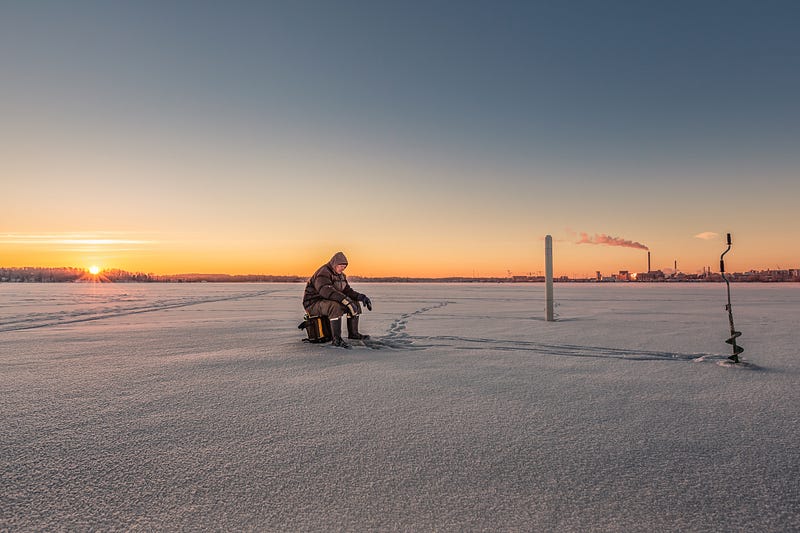
Experiencing a breast cancer chapter of your life, is crappy at the best of times. It’s no cakewalk that’s for sure. The impact of COVID-19 on this experience and my breast cancer care has been horrendous and leaves me feeling isolated, depleted and exceptionally self-conscious. There are days I feel like I live at the north pole.
Thankfully Breast Cancer Network Australia (BCNA) is now working with government, health professionals, and the media to advocate for future policies that minimise the long term impact of COVID-19 on breast cancer outcomes.
These collaborations will be great for future patients and their families. However, changes nothing for those of us traipsing the oncology hallways right now, alone and unsupported by our loved ones.
Delays or changes to breast reconstruction surgery
In my breast cancer chapter I’ve had four surgeries so far, one of which was delayed due to COVID restrictions. There was a significant lead time of two months in planning undertaken by my plastic surgeon and his entire team.
This type of planning was fabulous for a patient living in regional Victoria and dependent now on her partner working as the sole income provider. We could make plans in advance and juggle the endless childcare and work arrangements around my treatment and now upcoming surgery.
I did everything right. Confirmed health fund coverage. Completed the admission forms for the hospital. Confirmed surgery at the commencement of the week of surgery. All systems go.
The afternoon prior to my surgery, as I was literally leaving the house to commence my commute I got the call that surgery was cancelled due to COVID. Some nonsense about theatre lists needing to be spread out more, blah blah blah.
All I knew was that surgery was delayed by a week and now I had to cancel accommodation, reorganise childcare, reorganise work arrangements. Doesn’t sound like much, but when your energy levels are finite thanks to chemotherapy and you’ve been building up mentally to more surgery for two months, you create an expectation that this will be a good milestone in your recovery. Cancellation sucks hairy balls.
Diagnosis delayed due to COVID-19 restrictions
I belong to an online support group of fellow breastie patients. We share all sorts of stuff that would never see the light of day in normal conversation with friends and family. You just wouldn’t get it unless you are experiencing it due to it’s gross and or confronting nature.
There are numerous stories of women who are waiting for weeks to undergo routine or investigative screening. I feel very lucky that my diagnosis was rapid. The additional stress from waiting in some cases weeks for appointments, and then consultations with surgeons and or oncologists is horrendous and unimaginable.
I even have friends who have considered putting off initial screening until COVID is over because the local facility has limited or closed services temporarily. The advice from my breast surgeon always sounds like shouting in my mind.
Cancer waits for no one or nothing, if you detect any change get it checked — Dr Jane O’Brien
I strongly encourage everyone I meet who shares of a breast change, to go immediately to their GP for investigation referral. At best it’s nothing but lumpy boobies. I also share that my breast cancer chapter is one of success in terms of early detection and treatment have provided me with the opportunity to strive for a potential cure rather than just management. Early detection can save your life.
Experiencing delays or changes to other treatments, such as radiotherapy or chemotherapy
I feel exceptionally lucky that I have the oncology team that I do. I travel over two hours each way to obtain the service I want. Not everyone is this lucky or fortunate.
With border closure and lockdown limitations, some patients are restricted to where they have been permitted to receive treatment. Additionally, I’ve noticed that the faces of other patients who are on the same schedule as myself changes more frequently now. The local patients are cycled on a rotating roster, whereas my appointments are kept to static times due to my commute. I am so grateful for this consideration.
Experiencing difficulties due to the closure of allied health services
I was visiting my GP for my normal monthly appointment the other day. As I attempted to enter the building I was accosted by the triage nurse who was COVID screening. I failed the question “have you been to Melbourne recently?”
After answering yes to that question and explaining I have treatment at a private hospital, I was ordered to immediately leave the building to sit and wait in my car. Needless to say, I lost my shit emotionally.
Whilst I recognise exclusion of anyone who’s visited a lockdown area does require distancing to local patients, being emotionally and mentally excluded is a whole new addition to the stress of having cancer during this time.
As a chemotherapy patient, I had lost a significant portion of my hair (thank you scalp cooling for saving some), my eyelashes and my eyebrows. I already stood out with my cancer cootie look. I was already self-conscious and my identity already has the speed wobbles. Add corona cooties to the mix is really too much, and makes me not want to leave the house!
Experiencing difficulties due to lockdown restrictions
As my breast cancer treatment continues there are some very emotional moments. Sometimes they are your own, sometimes you pay witness to someone starting or ending their cancer experience.
When you observe someone new to their a cancer experience it definitely feels like groundhog day-itis. The feelings and fears of that first day of oncology treatment come flooding back of your own first session. Tears and the fear sweat nearly always ensue as you remember your own first experience.
I recently observed a newbie whilst having treatment. I was sitting in my oncology chair, hooked up to my magic medicine. I listened silently to this poor woman have her ‘strong facade’ melt away and leave the vulnerable exposed. Her wailing pushed all my buttons. My heart broke for her and before I knew it I was blubbering too.
The difference between our tears was my release felt magnificent! With each breath, I was able to connect to my feelings and acknowledge it was just a fading memory. I am surviving.
By the tone of her voice and the words she communicated, it was obvious that this newbie was deeply connected to fear and grief. Her emotions were raw. Her confusion regarding what was happening was high, making her somewhat irrational and difficult to calm.
For those of us in the crap club, we understand those fears. We resonate with the grief. We get it.
To make matters even more challenging, this poor woman, like so many of us this year who have traipsed the oncology halls, was alone. We can thank a virus for that gem. Her husband was sitting in a parked car outside the hospital for the duration of her initial administration of chemotherapy.
Patients are presently not permitted to have their support person enter the building. They have to wait outside. I can’t begin to tell you the emotional and mental impact this has in terms of compounding how alone you feel in this cancer experience.
Given the distances I commute to and from, I’ve had friends drive me to treatment due to my fatigue. Some have been accosted by police in the nearby gardens for loitering during the lockdown, others removed from the hospital cafeteria to grab a coffee since the facility was allegedly limited to hospital staff only.
It makes for interesting conversation when I return to the car and ask my driver “so have you eaten today and gone to the toilet whilst I’ve had a five-hour treatment session?”. Think about this as a human rights issue. I don’t qualify for patient transport services. I haven’t worked for nine months and can’t afford overnight accommodation. I’m homeschooling my child and can’t be away from home more than a day anyway.
How does a patient like myself, juggle all the balls in the air, get herself to and from treatment with the assistance of a mate who’s famished and in danger of soiling themselves??? With cancer treatment fatigue it’s impossible without support. Right now, thanks to COVID there’s no allied health support available, especially in regional areas. It’s bloody challenging.
The isolation, frustration and anger felt as a cancer chapter patient is exacerbated with COVID. I’m skin hungry and miss hugs with my friends and family. I need social support and feel like I’m drowning in this additional layered isolation and social distancing.
Final Words
This piece isn’t designed to prompt pity. I am merely sharing insight into the struggles of current cancer patients during times of community crisis whether it be fire, flood or virus. One can only hope that more common sense is applied in the future to maintaining contact and compassion with patients undergoing treatment.
Consideration for mental health should openly factor into state and national policy preparation of any medical service, to reduce the long term impacts of how we are presently treated.
Karen Humphries is a Kinesiology Practitioner, Health & Business Coach, self-confessed laughaholic, and now Breast Cancer Advocate residing in Gippsland Victoria Australia. She loves being of service to the world with her humorous and positive approach to life, encouraging people to ‘choose to change and bloom from within.’ Connect with her on Facebook, Instagram, and Linkedin.
ILLUMINATION
We curate outstanding articles from diverse domains and…
Following


