
Cancel Culture Isn’t New
We just called it something else
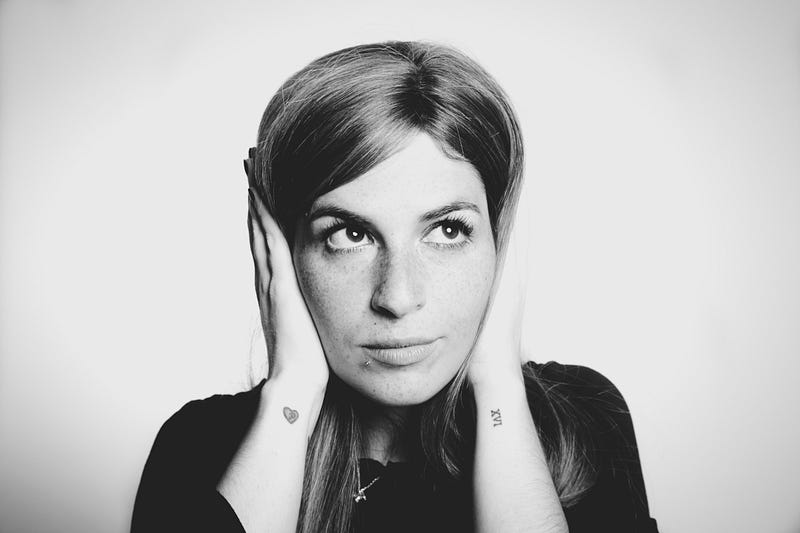
A ‘Scarlett Letter’ was just the beginning
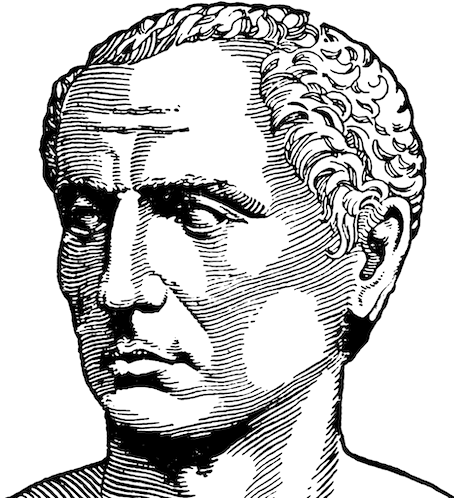
If you grew up in another era, you’d be well aware of the “canceled” folks of yore. Hester Prynne. Galileo. Heck, even Caesar was ultimately cancelled by his once-close friend. For more recent discussion topics, just look no further than the hysteria of the McCarthy era when being labeled a communist would have given you a mark that would impress even the likes of Ms. Prynne.
Et Tu, Brute?
A quick check in with most folks would reveal that every one of them could easily name their favourite canceled anti-hero. All you have to do is ask. Whether this anti-hero allegedly committed heresy for stating that the earth moved around the sun, or participated in an assassination of a former friend, history is rife with these characters.
And yet, if you gauged the pulse of popular culture, you’d think that to be “canceled” is to experience a treatment that is only in the domain of today’s woke arbiters. You know – the ones who take to Twitter and TikTok, pronouncing who we are to shun next. We follow suit, no questions asked, because it’s just what we’re supposed to do…I guess?
A hot topic of discussion
“Cancel Culture,” as it is known, is all the rage as the hot topic of discussion on social media channels. Indeed, these platforms are not the only places that you will find lively conversations — and many arguments — about this now-common trend. It’s everywhere, with showing no signs of stopping.
Yet the discussions about how harmful it is allude to its apparent nascency, ignoring the fact that we’ve been canceling people for millennia.
The latest cancellations can be found by merely checking out online discussions about Dr. Seuss and Mr. Potatohead. But don’t think that cancel culture only goes after child-friendly targets. No — real life, grownups are also at the mercy of the social media judges, juries and executioners.
Regardless of where you stand on the position of cancellations, know that this supposed “trend” has always been with us and will continue to be part of society’s fabric.
The discussions about how harmful cancel culture is allude to its apparent nascency, ignoring the fact that we’ve been canceling people for millennia.
We may not have had a “hip” terminology for it, but rest assured it was happening. And not only with public figures or companies. It has been happening to your average Joe (and Jane) from day one.
Who doesn’t recall the pain of being left out, ignored or scorned by friends at school? It could be during the excruciating moments in gym class when sports teams were picked by fellow students. If you weren’t chosen, it was both painful and embarrassing. You, by definition, had been cancelled.
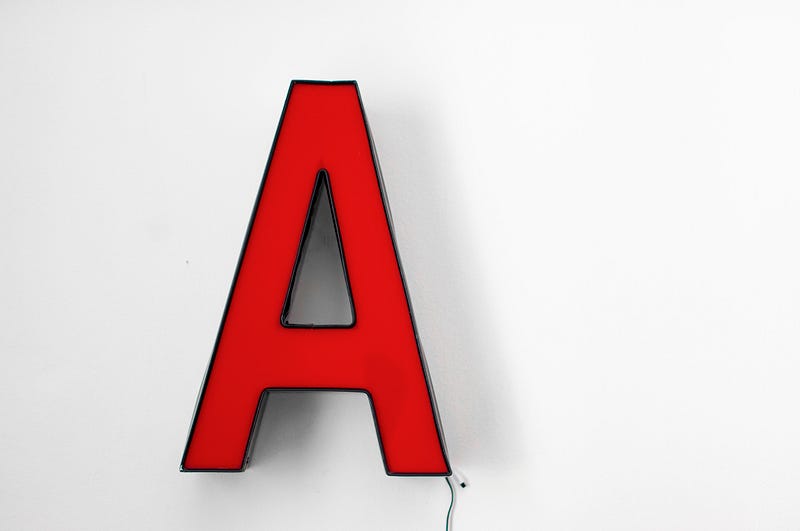
It could have been in high school when it was prom time. Everybody had a prom date except those unchosen few who, not dissimilarly to Hester Prynne, Were figuratively marked as “unacceptable,” no bright red “A” required.
Cancellations in every decade
The popular culture of each decade has its own capstone people, places and things that have been cancelled.
To wit; recent history recalls the plight of these people who never recovered from societal scorn:
1900s — The One-Piece Swimsuit
1940s — Ingrid Bergman
1970s — Richard Nixon
1990s — Monica Lewinsky
2000s — Chis Brown
Which brings us to today.
Here we are in 2021 and “to cancel” has a meaning that is immediately understood by most. We know that it is the rule, not the exception, and that the ability to turn on what was once considered good — even great, at times — is our collective prerogative.
And so we continue the exercise, choosing different people, companies, objects at will, and whenever suits our fancy. This behaviour is not going to change anytime soon as it is clearly something that is hardwired into us humans. It’s almost as if each era and each time period’s particular victims of cancellation are easily recalled and categorized for our memories, allowing us to quickly relate to a time of interest.
“Oh — the 70's? Yea, that Watergate was really something, wasn’t it?”
“The 80’s ‘greed is good’ mentality was so gross. Those stockbrokers deserved to lose their money and be cancelled.”
What causes people to cancel previously popular people, places or things?
One has to wonder. Perhaps it’s the psychological component that drives these types of actions. You know — those feelings of superiority that we all have (even if we won’t admit it) when are able to wield our personal power in our favour regarding a situation. It may be something small and inconsequential, or something impactful; so much so that a life — or lives — are changed forever.
Sometimes the cancellation is just. I’m looking at you, R. Kelly. Sometimes it’s not so cut and dry. There are many instances of this latter situation that can be argued either way, depending on who you ask.
The future may be cancelled. Please stand by.
So where do we go from here? Do we maintain the status quo and continue our arbitrary cancellations, our decisions to do so based on the slightest hint of wrongdoing?
Or do we take the high road, give people (and businesses) a pass, and continue on our merry way?
While there’s no definitive answer, human nature is such that we are, for the most part, fairly predictable. To this end, the probable outcome of the question as to whether cancel culture should continue is clear.
We like it. That is obvious.
And it works in this complex and often confusing works in which we live. There is so much that we can’t control; setting our sights on the next persona non grata gives us some pleasure, however misguided.
Don’t get me wrong. Some people absolutely deserve to be canceled. Their behaviour is abhorrent and their words are often poisonous. For these folks, cancel away.
For those who deserve a second chance, perhaps we can dig deep, and find it on our hearts to give them a pass. After all, aren’t we supposed to be a kind and compassionate society?
This is certainly a question we all must ponder and decide, before the next victim of cultural cancellation is chosen.
Before making this decision, however, remember this: in the end, Galileo was eventually forgiven for his alleged heresy and transgressions. It turns out he was right about the earth’s relationship with the sun. He is a perfect example of a historical figure who was cancelled centuries before the likes of Richard Nixon or even Ellen Degeneres.
Galileo was painfully cancelled but even he was eventually redeemed. His apology for being slighted happened a mere 400+ years later but who’s counting?


