
Cancel Culture: Do we even have the power to cancel brands?
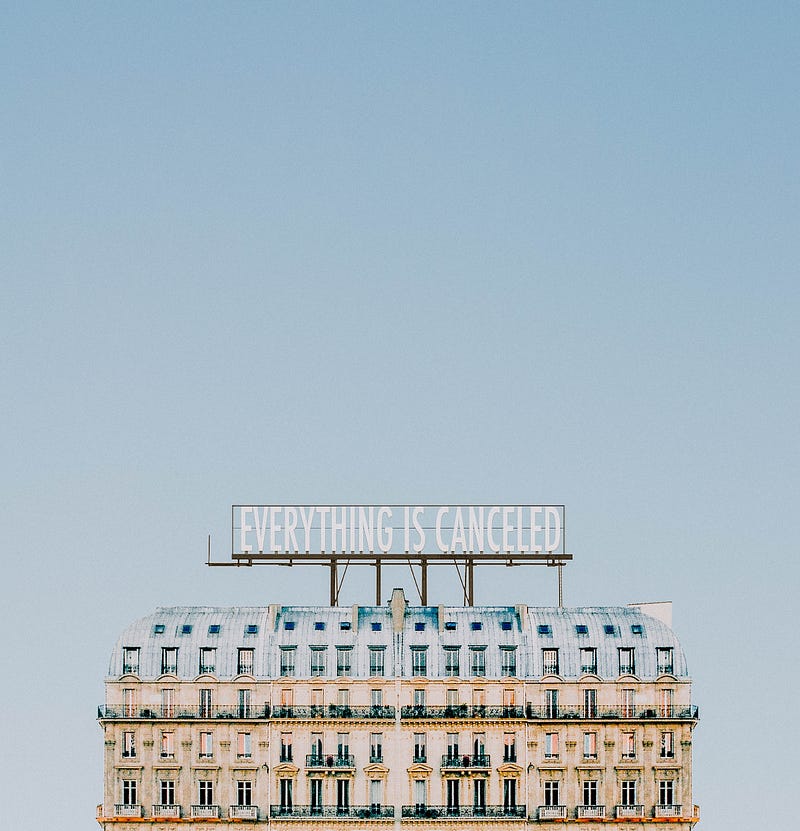
In light of the Black Lives Matter protests, many brands faced criticism of their response. Brands being quick to post black squares with hashtags #BLM and pledging hundreds of thousands of dollars to the movement, we saw usually apolitical brands take a much needed stand.
But despite the actions of a brand in a specific context such as Black Lives Matter, consumers are increasingly aware and quick to point out that the infrastructure within which the brand exists, leads, influences and benefits does not match up with the values that they
In the light of the recent Oatly and Blackstone conflict enraging consumers everywhere leading to calls for boycotts and “cancelling” the brand, it’s important to explore whether it’s even possible to actually cancel a brand.
We know that despite calls for cancelling, most brands have taken a minimal hit in terms of sales. Most brands continue to thrive, or at the very least maintain themselves when confronted with consumer anger. Chick-fil-A has been sitting on the cancelled bench for a while for it’s funding of anti-LGBTQIA+ organisations, while the Urban Outfitters stock continues to increase in value despite the recent racist “Nick” and “Nicole” profiling practice revelation at Anthropologie.
So despite all the anger, hurt of and noise made by consumers, brands have continued to act with impunity or with demonstrably shallow and minimal “woke-washed” responses without seeking to create any real change. And so the important question must be asked, can and should consumers vote for change, with their cash?
To answer this quite big question specifically in relation to brands, we need to understand structural power and responsibilities:
ARE CONSUMERS EQUALLY AS RESPONSIBLE OR CULPABLE AS BRANDS ARE?
Firstly, are consumers equally as responsible or culpable as brands are for the products they make and we buy? Many brands have forever made the argument that consumer demand is why they continue to act unethically, for example, to provide the products or services using cheap exploitative labour from colonised countries because (western) consumers are unwilling to pay for more expensive products.
Research study after research study states that consumers say that they no longer want to support brands they don’t agree with, or who’s values don’t match their own. But asking clients about the impact that this has had on their sales, the answer is frequently minimal. Consumers disagree with the ethics of a brand, but continue to buy the products, so clearly their values aren’t that important to them?
In this case, the burden of responsibility here is falsely foisted onto the consumer, and shifts the blame on to an individual level rather than a structural level. When thinking about consumers in the context of their life, with most of them having limited resources, time and capacity to actually do the complex research required to make the ethical decisions — it’s clear that many of them continue to aspire to make ethical decisions where they can.
And in the middle of a pandemic, of another recession, of shifting family dynamics, of new anxieties and fears, of juggling multiple jobs and hustling in all your spare time, of simply trying to survive the challenges of modern living while seeking any joy you can potentially find — being ethical is a privilege. It’s reserved for consumers who have more time and money afford to be ethical. And in a white supremacist, capitalist structure, those consumers are less likely to be impacted by donating to racist organisations, or be racially profiled in store.
It’s clear that consumers do not have the same level of responsibility or culpability as brands do.
ARE CONSUMERS EQUALLY AS POWERFUL AS A BRAND?
Secondly, even if we are equally as responsible (we’re not), are we as consumers equally as powerful as a brand?
The sensationalisation and demonisation of cancel culture seemingly gives an inordinate amount of power to consumers to create another false equivalency. It’s important to note that this power is rooted in temporary social capital only, if it does exist at all. It may be labelled or rebranded as “mob mentality” or “witch hunts” or in other problematic ways by those who are often on the being cancelled end of the scale, but it’s actually a result of disempowered, often marginalised people using the only limited influence they have to seek active and meaningful change.
Cancel culture is a protest against the power of a brand being used in a way that continues to harm the planet, exploit poor people, Black and brown people and other marginalised communities.
Ultimately, brands hold the power and responsibility for real meaningful change. Cancel Culture is a result of consumers taking the limited power and influence they have to lobby for that change and ensure social accountability. But it requires the organisation of thousands if not millions of complete strangers to unify against a service and product provider that they already currently use.
This means that the individual consumers simply can never be as powerful as brands who have access to and benefit from an organised structure, expensive lawyers, PR firms, advertising and media, while continuing to have a paid labour force. Brands have literal firefighters on payroll who’s job it is to make mistakes go away without any real impact on the bottom line. An individual consumer, often someone who is already marginalised, is simply not as powerful.
IF WE LACK POWER AND CULPABILITY AS INDIVIDUALS, CAN WE ACTUALLY “CANCEL” BRANDS?
Theres a few schools of thought on this, but ultimately the answer is: maybe, as long as we stick together, consistently for a long time, en masse. But that’s an incredible challenge. It’s a rare occurrence and brands are relying on it to not happen.
But as an individual consumer? No, we do not have the power to cancel brands. Brands who are capable of electing presidents that will give them the tax breaks they need, who have more wealth than some entire nations, who have more infrastructure, technology and innovation than public services. As individuals, particularly as marginalised individuals, we have significantly less power than a brand. The relationship has never been equal, even if brands and brand allies continue to make us think that it is.
IF WE’RE ESSENTIALLY POWERLESS, THEN DOES IT MATTER WHERE WE SPEND OUR MONEY?
The question then arises — does it matter where we spend our money if boycotting on an individual level won’t make any real change or prompt a brand to act ethically? Surely, we should just buy and consume whatever we want.
It’s clear that sometimes we are forced to choose specific brands that we might not want to choose because we lack the freedom and resources to make truly empowered choices. But it always matters where we spend our money. It’s a choice we make that benefits some of the most powerful entities in the world and continues to facilitate their existence.
Brands are expecting you to be disempowered and continue to choose them. All we can continue to do is to make as many of the choices as we can which continues to hold them to account. If we have time, space, capacity and resources to seek better, ethical options, then we absolutely have a responsibility to do that.
But what’s most important is that we also give ourselves a break and forgive ourselves — it’s not hypocritical of us to call out the unethical, exploitative, racist and problematic actions of a brand, while continuing to consume them. It is ultimately the responsibility of the brand to act ethically. And it is our responsibility to make ethical choices where we can.
This becomes doubly true for the more privileged among us. White, able bodied, cis, heterosexual people have significantly more wealth, influence and power than marginalised people. The more privilege and resources we have and the less likely we are impacted by a brand’s unethical actions, the more responsibility we have as individuals to do something about it. And that involves not spending our wealth with exploitative brands.
IF WE’RE ESSENTIALLY POWERLESS, THEN DOES IT MATTER WHETHER WE CALL OUT OR CANCEL BRANDS?
Finally, it’s important to answer the question about whether or not canceling a brand is “worth it”. We know that cancel culture in a brand context has had limited success. Many brands have continued to benefit from the increased visibility and the “free marketing” from the controversies. In fact, some brands have even sought and solicited controversies purposefully to exploit cancel culture as a marketing ploy.
It’s important to note that although we are less powerful than brands and that we are forced to consume them, we do have the potential to create change through social pressure. This potential opportunity is small, hard won, and requires an inordinate amount of labour to facilitate.
Is it worth doing that labour when we could also just ignore the brand, de-platform it, remove it from getting any airtime and conversation, remove any opportunity for marketing and PR exploitation of controversy, and let it die in obscurity? But then again, surely doing that is just ignoring the brand’s horrific exploitation or unethical actions and giving them a pass? Or would ignoring just continue to validate their practices as acceptable and ethical? And what if the controversy was deliberately started by them?
Unfortunately, the answer is again another vague, maybe it does matter and we should call out brands. There’s definitely an argument for a number of different scenarios and parameters within which we should always be seeking to bring to light unethical practices of a brand— for example, it’s important to continue to call out and bring visibility to unethical practices and exploitation of workers so that we continue to talk about the impact that some supply chains have on marginalised people and communities all over the world.
What bears repeating is that, when any calls for cancellation are led by marginalised people against specific brands, it’s important that we should support them fully even when inconvenient for us. Particularly if we are white and privileged.


