avatarSergi Slavich

Free AI web copilot to create summaries, insights and extended knowledge, download it at here

4976

Abstract

d="73f3"><b>This is not the case for breast cancer treatment with radiation therapy:</b></p><p id="be46"><i>According to this scientific review, this type of breast cancer treatment <b>may in some cases </b>significantly increase the subsequent risk of lung cancer.</i></p><p id="9734">As the authors note, the reason for this phenomenon lies not so much in the radiation therapy itself, but in the method of radiation therapy, the technique, the source of radiation, and the size of the radiation field.</p><p id="cfc5">Another study published in 2018 in the <a href="https://www.thegreenjournal.com/article/S0167-8140(18)30302-5/fulltext#%20"><b>Radiotherapy</b> & <b>Oncology</b></a>, by Nienke Hoekstra and colleagues partially confirmed these assumptions of Chinese colleagues: “<b>APBI reduces the risk of secondary cancer 2–4 fold compared to WBI”.</b></p><blockquote id="354a"><p>In simple words, the higher the radiation dose the lung tissue receives during breast cancer radiotherapy, the higher the risk of lung cancer in the future. The radiation dose is highly dependent on the chosen method of radiation therapy.</p></blockquote><blockquote id="8cfc"><p><b>Also according to the scientists of this study, lung cancer accounts for more than 75 to 97 percent of secondary malignancies.</b></p></blockquote><p id="53fa">It should be noted that various studies have given highly inconsistent numbers regarding the association of breast cancer radiotherapy and secondary lung cancer, ranging from not significant among <a href="https://www.frontiersin.org/journals/oncology/articles/10.3389/fonc.2018.00427/full#B8">American patients </a>to a 10-fold increase among non-smoking <a href="https://www.jto.org/article/S1556-0864(17)30045-X/fulltext">Taiwanese women.</a></p><p id="a266">These frightening rates of secondary lung cancer among non-smoking Taiwanese women are largely related to harmful Chinese and Taiwanese kitchen practices, particularly <a href="https://pubmed.ncbi.nlm.nih.gov/10645816/">overheating vegetable oil</a> (study), and inhaling carcinogenic oil fumes, especially indoors and without kitchen extractors.</p><figure id="c505"><img src="https://cdn-images-1.readmedium.com/v2/resize:fit:800/0*Vz6u2JjFkavjGyUd"><figcaption>Photo by <a href="https://unsplash.com/@miquel_parera_mila?utm_source=medium&amp;utm_medium=referral">Miquel Parera</a> on <a href="https://unsplash.com?utm_source=medium&amp;utm_medium=referral">Unsplash</a></figcaption></figure><p id="d0f8">However, a lot of Taiwanese women who haven’t had breast cancer radiotherapy in that study must have abused that habit too. Then why is there a 10-fold rise in secondary lung cancer in women previously undergoing radiotherapy for breast cancer?</p><p id="a40c"><b>We can assume that lungs inflamed and damaged by radiotherapy are much more susceptible to DNA breakage by various harmful fumes and smoke than uninflamed lungs.</b></p><p id="99cd"><a href="https://ascopubs.org/doi/10.1200/JCO.2016.72.0722">Smoking cessation</a> before radiation therapy reduces the risk of getting lung cancer in the future.</p><p id="6fe1"><b>Can stopping indoor wood burning during and after radiotherapy have the same positive effect?</b> This remains to be investigated by scientists.</p><p id="fb71">Notably, a <a href="https://www.frontiersin.org/journals/oncology/articles/10.3389/fonc.2018.00427/full#B8">study involving U.S. women </a>showed another important finding that was previously little known: women with triple-negative breast cancer were more than twice as likely to have Second Primary lung cancer compared with hormone-positive breast cancer patients:</p><figure id="ada6"><img src="https://cdn-images-1.readmedium.com/v2/resize:fit:800/1*zuDKMWwDTCopEOwbwKUJpg.jpeg"><figcaption><b>image by the Author. <a href="https://www.frontiersin.org/journals/oncology/articles/10.3389/fonc.2018.00427/full#B8">Study</a></b></figcaption></figure><p id="08d7">This is very valuable information because it tells us that a group of women with triple-negative breast cancer should be especially careful of lung cancer triggers such as cigarette smoke or smoke from burning wood and other fuels. <a href="https://pubmed.ncbi.nlm.nih.gov/36895969/#:~:text=Age-adjusted%20incidence%20rate%20of%20triple-negative%20breast%20cancer%20was,and%20Asian%20women%20(12.4).">Black American women</a> represent this group of patients twice as often as whites and three times as often as Asians.</p><p id="30c4">But let’s get back to the effects of radiation therapy for breast cancer on lung tissue.</p><p id="06f7">A study done by J. Karlsen published in the <a href="https://www.annalsofoncology.org/article/S0923-7534(19)58444-7/fulltext">Annals of Oncology</a> has convincingly demonstrated that radiation therapy for breast cancer quite often leads to lung tissue damage, which often leads to radiation pneumonitis and fibrosis.</p><p id="516d"><b>Damaged lung tissue needs increased prote

Options

ction from additional inflammatory factors, which can include even <a href="https://www.researchgate.net/publication/51458055_Exposure_to_wood_smoke_particles_produces_inflammation_in_healthy_volunteers">short-term inhalation</a> of wood smoke particles.</b></p><figure id="45d2"><img src="https://cdn-images-1.readmedium.com/v2/resize:fit:800/0*7oJxf9bopFPYoOsJ"><figcaption>Photo by <a href="https://unsplash.com/@bhautik_andhariya?utm_source=medium&amp;utm_medium=referral">Bhautik Andhariya</a> on <a href="https://unsplash.com?utm_source=medium&amp;utm_medium=referral">Unsplash</a></figcaption></figure><p id="2c92">A significant proportion of women who have undergone radiotherapy for breast cancer may have chronically inflamed and damaged lung tissue long after therapy. This may explain the 3–5-fold difference in the incidence of lung cancer in women who breathed the wood smoke in the Sisters study compared to women in the general population who also burned wood indoors.</p><p id="4f77">Taking into account that in the Sisters study not all, but only some of the women may have had breast cancer before lung cancer was diagnosed, then in the cohort of patients who received radiation therapy and used fireplaces and wood stoves indoors, <b>the risk of cancer may be significantly higher than 3.5 compared to women who breathe the wood smoke in the general population.</b></p><p id="68af">Negative (carcinogenic)side effects from breast cancer radiation therapy are more likely to occur <a href="https://ascopubs.org/doi/10.1200/JCO.2016.72.0722">> 10 years after treatment.</a></p><p id="81a9">It is also important to mention that when the lung tissue becomes inflamed, it changes its structure and function; it is a defense mechanism against damage. <a href="https://cancergrandchallenges.org/news/better-understanding-how-chronic-inflammation-drives-lung-cancer-0">But if this process becomes chronic</a>, it increases the risk of neoplasms.</p><figure id="a15c"><img src="https://cdn-images-1.readmedium.com/v2/resize:fit:800/0*GlI1_eHlheU4nE3V"><figcaption>Photo by <a href="https://unsplash.com/@cdc?utm_source=medium&amp;utm_medium=referral">CDC</a> on <a href="https://unsplash.com?utm_source=medium&amp;utm_medium=referral">Unsplash</a></figcaption></figure><p id="0af2">The different types of fuel may have different effects on inflamed lung tissue. For example, burning <a href="https://ehjournal.biomedcentral.com/articles/10.1186/1476-069X-13-108"><b>synthetic logs significantly</b></a><b> increases the risk of breast cancer in women</b>, which is not the case with burning exclusively wooden logs.</p><p id="8c8a"><b>However, this study focused on women in the general population. Among women with a history of breast radiotherapy, any smoke (including from natural wood) is a serious risk factor for lung cancer in the future.</b></p><blockquote id="019c"><p>A study in the San Francisco area found that natural wood logs emitted significantly fewer toxic substances than <a href="https://www.scopus.com/record/display.uri?eid=2-s2.0-0038674710&amp;origin=inward&amp;txGid=ffeca12f64e5ee8972779146b3cbe140">artificial logs.</a></p></blockquote><h1 id="c797">The importance of this research</h1><p id="6c4c">With this study, I want to draw the attention of medical scientists to the importance of conducting additional research on the risk of lung cancer from indoor wood burning in women who have had radiotherapy for breast (<b><i>and other organs</i></b>) cancer in the past compared to women in the general population who do or do not burn wood and any fuels indoors.</p><p id="6174">It is worth considering factors such as the radiotherapy method, the type of heating device (fireplace, wood stove, or wood burner), and the quality of indoor ventilation, which can greatly influence the amount of wood smoke particles inhaled.</p><p id="cb2c">The cohort of women with respiratory disease is worth studying separately, as they may be <a href="https://www.ncbi.nlm.nih.gov/pmc/articles/PMC4214084/#:~:text=Chronic%20bronchitis%2C%20emphysema%2C%20tuberculosis%2C%20pneumonia%2C%20and%20asthma%2C,risk%20of%20lung%20cancer%20diagnoses.">more susceptible to lung cancer</a> too.</p><p id="eda0">It is also reasonable to examine the >10-year risk of developing a second primary lung cancer associated with indoor wood smoke exposure during and after radiation therapy for breast cancer.</p><p id="1aa9" type="7">If the concerns in this article are confirmed in new studies, it will be worthwhile to develop new recommendations for patients who received radiation therapy to the chest and use fireplaces and stoves.</p><p id="78a7"><a href="https://medium.com/subscribe/@byha-health"><b>Get email reminders</b></a><b> 📧 when my new health stories come out and follow <a href="https://medium.com/beautiful-youth-and-healthy-aging">our publication</a> if you’d like to see my stories regularly in your recommendations!</b></p></article></body>

Lung Сancer Risk in Women Who Breathe Wood Smoke. Rethinking the Sister Study

What important detail was missed in the Sister Study?
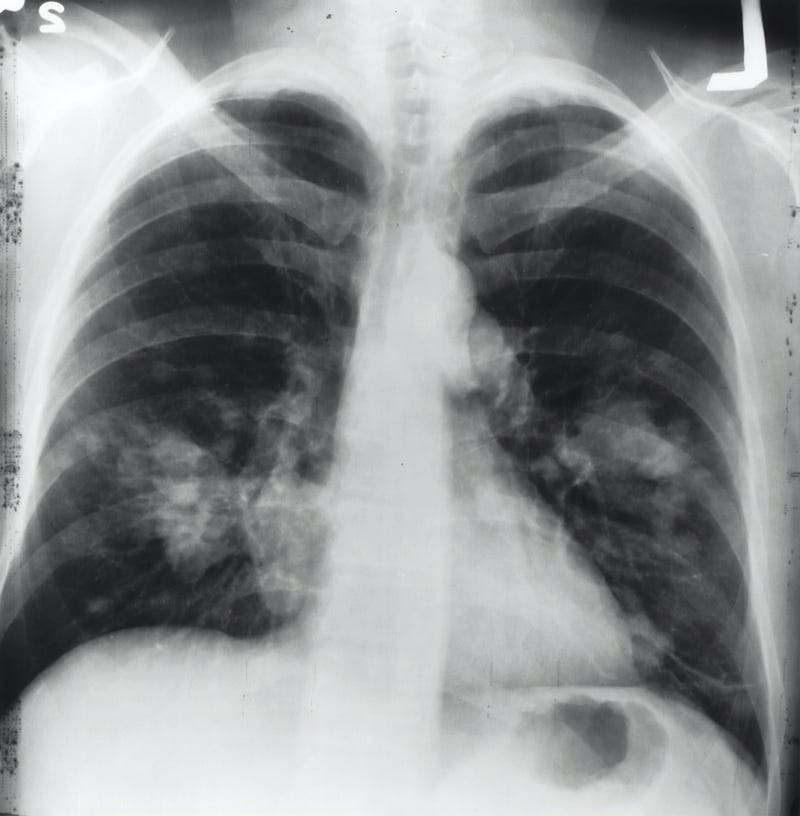
Photo by National Cancer Institute on Unsplash

Disclaimer — This article is created and published online for informational purposes only. It is not intended to be a substitute for professional medical advice and should not be relied on as health or personal advice. Always seek the guidance of your doctor or other qualified health professional with any questions you may have regarding your health or a medical condition.

According to a major American study published by Suril S. Mehta and others, the incidence of lung cancer among nonsmoking women exposed to wood smoke from fireplaces and stoves is 64 % (99% for frequent users) compared to women who never use fireplaces and stoves. Another earlier study found a 21 percent risk.

In this article, we will try to understand the possible reason for the different results of these two studies.

Looking ahead, I would like to say that it is very likely that one category of women, unspecified in both of these studies, may have a much higher risk of getting lung cancer than both of them. However, more research is needed to confirm or deny it.

To begin with, the women in the new study were also participants of the larger Sisters Study.

The Sister Study is a long-term study of women aged 35 to 74 whose sisters had breast cancer in the past.

There are 2 very important aspects at once: the age of the participants and the risk of breast cancer in the subjects. I will explain later what breast cancer has to do with lung cancer.

According to breastcancer.org, women aged 20–40 whose sisters have a history of breast cancer have a 6.5 times higher than average risk of this disease. After age 50, the risk is 3.5 times higher than average.
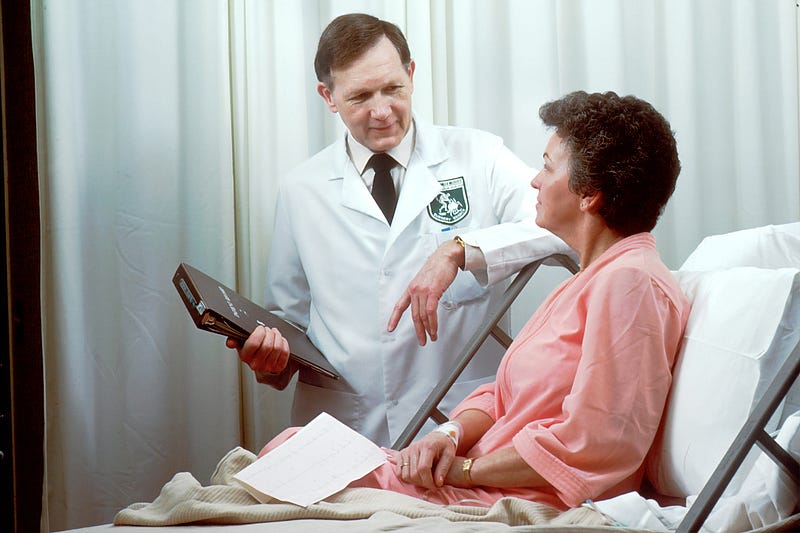
Photo by National Cancer Institute on Unsplash

Considering that many of the women who participated in the Sister Study had already had a very high predisposition to breast cancer and a very favorable age for its occurrence, we can conclude that over 11 years of follow-up, a significant proportion of these women could get a diagnosis of breast cancer before the onset of lung cancer. This is a VERY IMPORTANT factor that was not clarified in the Sister study.

Is there an increased risk of lung cancer in women with prior breast cancer?

After a long study of scientific materials, I found that the reason for this may be not so much the previous diagnosis of breast cancer in the past as the methods of its treatment.

Breast cancer treatment with radiation therapy is particularly worth highlighting, especially as 70 percent of women with breast cancer undergo this method of treatment.
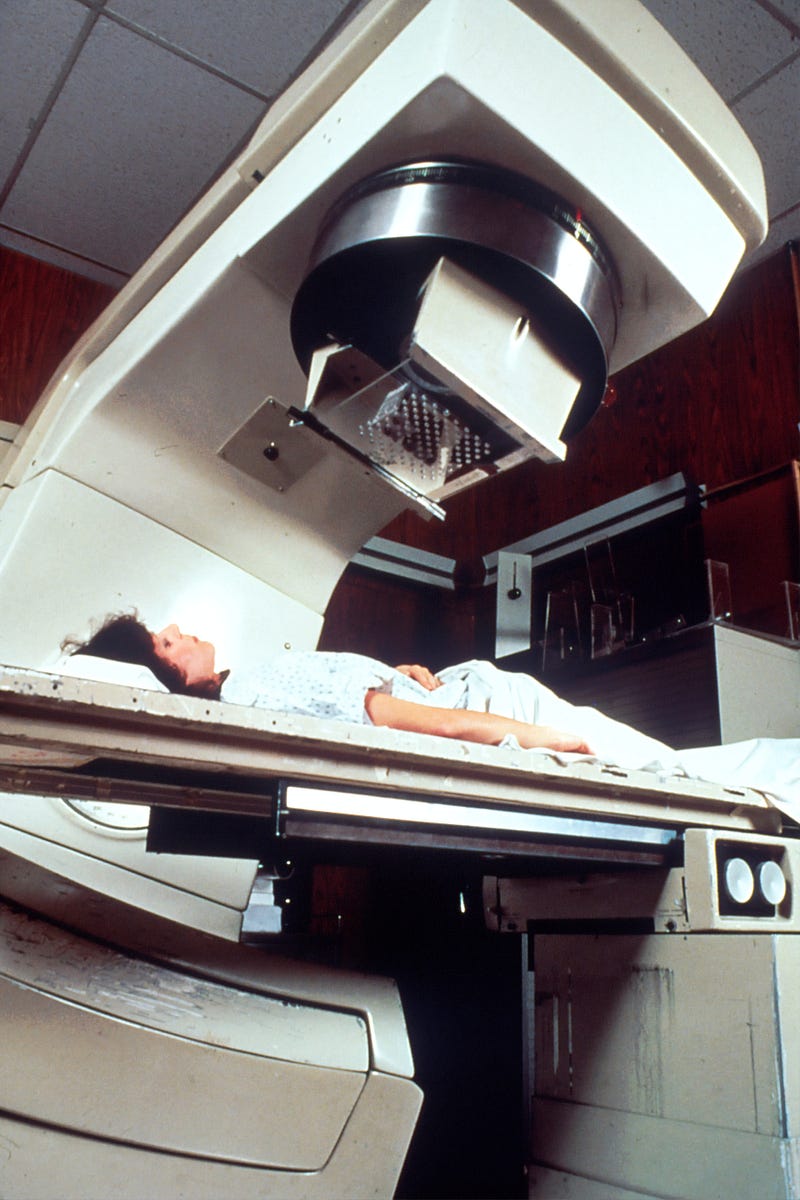
Photo by National Cancer Institute on Unsplash

A Chinese scientific review published in 2021 by Qian Long and his colleagues, says that women with a previous diagnosis of breast cancer had an increased risk of lung cancer later in life.

In the same review, we find one possible reason for this risk, namely the method of breast cancer treatment.

For example, the treatment of breast cancer in women with chemotherapy did not increase but even decreased the risk of lung cancer in the future compared to patients who did not undergo chemotherapy.

This is not the case for breast cancer treatment with radiation therapy:

According to this scientific review, this type of breast cancer treatment may in some cases significantly increase the subsequent risk of lung cancer.

As the authors note, the reason for this phenomenon lies not so much in the radiation therapy itself, but in the method of radiation therapy, the technique, the source of radiation, and the size of the radiation field.

Another study published in 2018 in the Radiotherapy & Oncology, by Nienke Hoekstra and colleagues partially confirmed these assumptions of Chinese colleagues: “APBI reduces the risk of secondary cancer 2–4 fold compared to WBI”.

In simple words, the higher the radiation dose the lung tissue receives during breast cancer radiotherapy, the higher the risk of lung cancer in the future. The radiation dose is highly dependent on the chosen method of radiation therapy.

Also according to the scientists of this study, lung cancer accounts for more than 75 to 97 percent of secondary malignancies.

It should be noted that various studies have given highly inconsistent numbers regarding the association of breast cancer radiotherapy and secondary lung cancer, ranging from not significant among American patients to a 10-fold increase among non-smoking Taiwanese women.

These frightening rates of secondary lung cancer among non-smoking Taiwanese women are largely related to harmful Chinese and Taiwanese kitchen practices, particularly overheating vegetable oil (study), and inhaling carcinogenic oil fumes, especially indoors and without kitchen extractors.

Photo by Miquel Parera on Unsplash

However, a lot of Taiwanese women who haven’t had breast cancer radiotherapy in that study must have abused that habit too. Then why is there a 10-fold rise in secondary lung cancer in women previously undergoing radiotherapy for breast cancer?

We can assume that lungs inflamed and damaged by radiotherapy are much more susceptible to DNA breakage by various harmful fumes and smoke than uninflamed lungs.

Smoking cessation before radiation therapy reduces the risk of getting lung cancer in the future.

Can stopping indoor wood burning during and after radiotherapy have the same positive effect? This remains to be investigated by scientists.

Notably, a study involving U.S. women showed another important finding that was previously little known: women with triple-negative breast cancer were more than twice as likely to have Second Primary lung cancer compared with hormone-positive breast cancer patients:
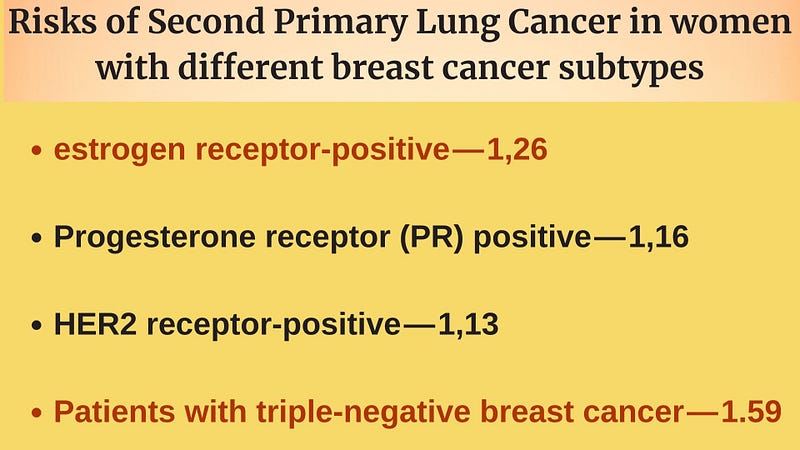
image by the Author. Study

This is very valuable information because it tells us that a group of women with triple-negative breast cancer should be especially careful of lung cancer triggers such as cigarette smoke or smoke from burning wood and other fuels. Black American women represent this group of patients twice as often as whites and three times as often as Asians.

But let’s get back to the effects of radiation therapy for breast cancer on lung tissue.

A study done by J. Karlsen published in the Annals of Oncology has convincingly demonstrated that radiation therapy for breast cancer quite often leads to lung tissue damage, which often leads to radiation pneumonitis and fibrosis.

Damaged lung tissue needs increased protection from additional inflammatory factors, which can include even short-term inhalation of wood smoke particles.
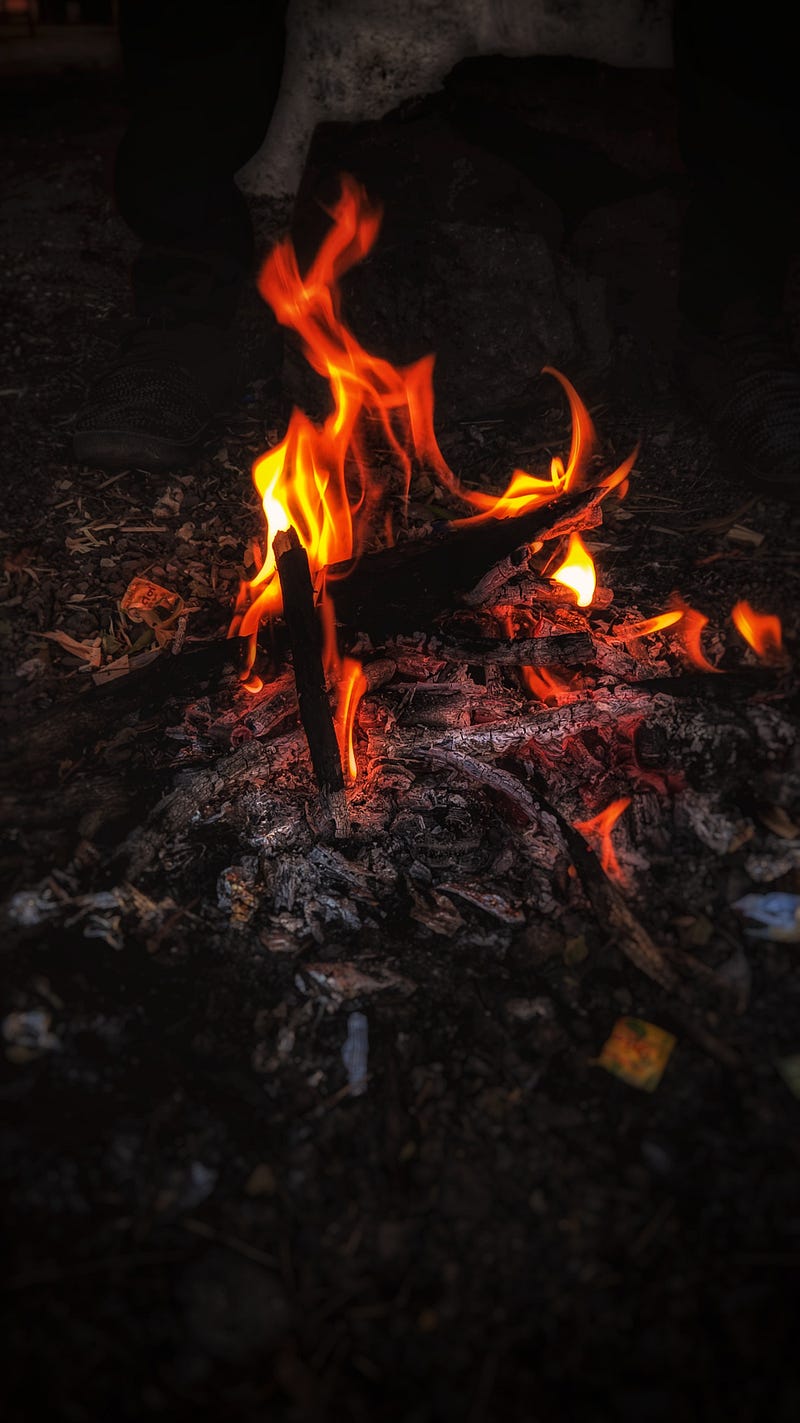
Photo by Bhautik Andhariya on Unsplash

A significant proportion of women who have undergone radiotherapy for breast cancer may have chronically inflamed and damaged lung tissue long after therapy. This may explain the 3–5-fold difference in the incidence of lung cancer in women who breathed the wood smoke in the Sisters study compared to women in the general population who also burned wood indoors.

Taking into account that in the Sisters study not all, but only some of the women may have had breast cancer before lung cancer was diagnosed, then in the cohort of patients who received radiation therapy and used fireplaces and wood stoves indoors, the risk of cancer may be significantly higher than 3.5 compared to women who breathe the wood smoke in the general population.

Negative (carcinogenic)side effects from breast cancer radiation therapy are more likely to occur > 10 years after treatment.

It is also important to mention that when the lung tissue becomes inflamed, it changes its structure and function; it is a defense mechanism against damage. But if this process becomes chronic, it increases the risk of neoplasms.
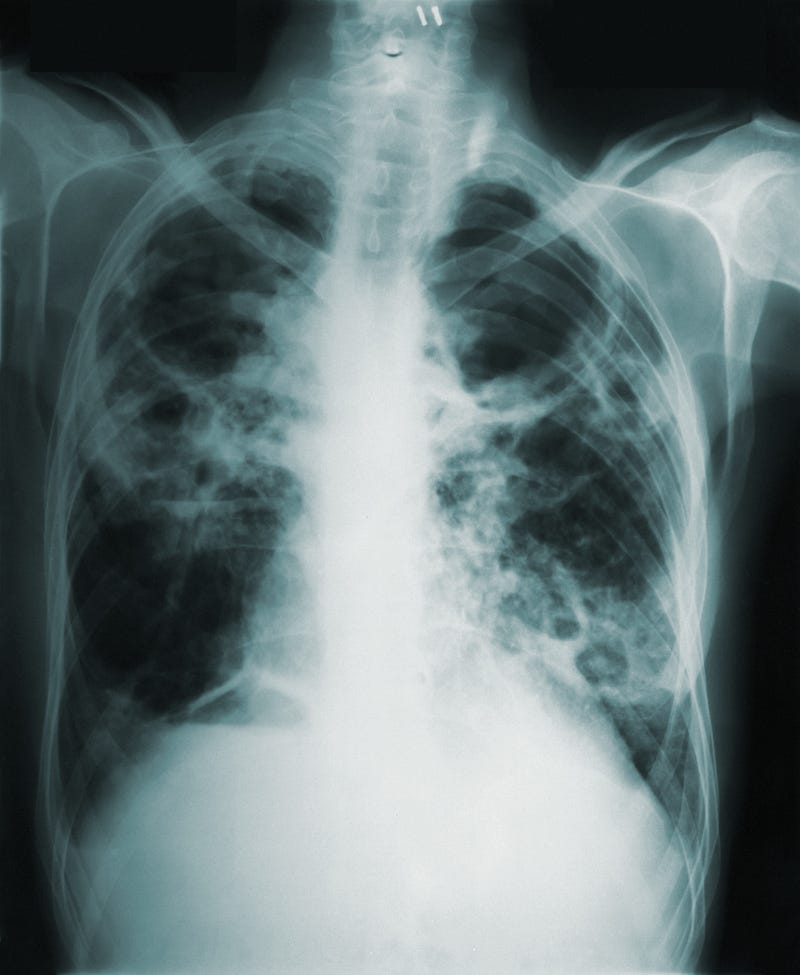
Photo by CDC on Unsplash

The different types of fuel may have different effects on inflamed lung tissue. For example, burning synthetic logs significantly increases the risk of breast cancer in women, which is not the case with burning exclusively wooden logs.

However, this study focused on women in the general population. Among women with a history of breast radiotherapy, any smoke (including from natural wood) is a serious risk factor for lung cancer in the future.

A study in the San Francisco area found that natural wood logs emitted significantly fewer toxic substances than artificial logs.

The importance of this research

With this study, I want to draw the attention of medical scientists to the importance of conducting additional research on the risk of lung cancer from indoor wood burning in women who have had radiotherapy for breast (and other organs) cancer in the past compared to women in the general population who do or do not burn wood and any fuels indoors.

It is worth considering factors such as the radiotherapy method, the type of heating device (fireplace, wood stove, or wood burner), and the quality of indoor ventilation, which can greatly influence the amount of wood smoke particles inhaled.

The cohort of women with respiratory disease is worth studying separately, as they may be more susceptible to lung cancer too.

It is also reasonable to examine the >10-year risk of developing a second primary lung cancer associated with indoor wood smoke exposure during and after radiation therapy for breast cancer.

If the concerns in this article are confirmed in new studies, it will be worthwhile to develop new recommendations for patients who received radiation therapy to the chest and use fireplaces and stoves.

Get email reminders 📧 when my new health stories come out and follow our publication if you’d like to see my stories regularly in your recommendations!

Breast Cancer
Lung Cancer
Cancer
Health
Women Health
Recommended from ReadMedium