
Can Therapy Help Those Who Often Suffer From Creative Burnout?
The Short answer is YES, but there are a few things you should consider.
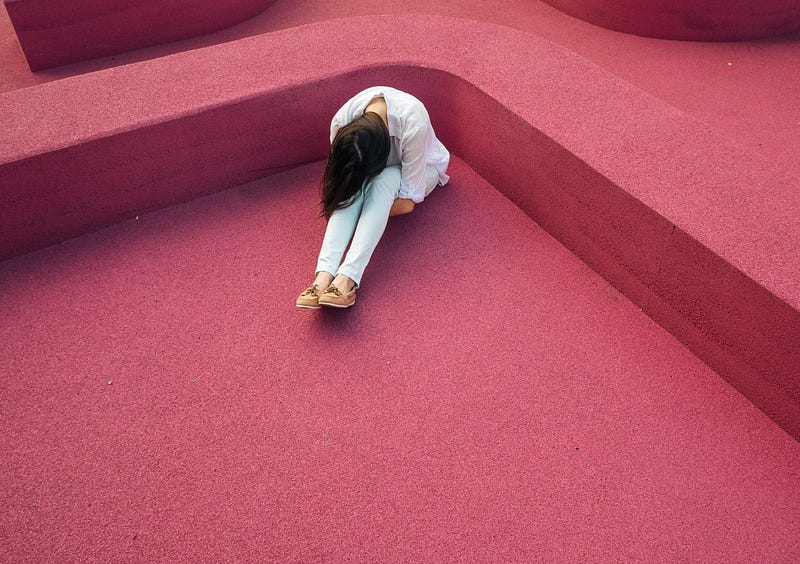
Burnout is in no way considered a mental health disorder. However, this doesn’t change the fact that burnout is real and can impact on your well-being.
The term burnout is becoming more prevalent among young content creators like YouTubers.
So if you are always creating content, is your chances of reaching burnout multiplied?
I believe that when you create something, a piece of you exists in that creation. So it would make sense that if you feel broken, then your creations would suffer. Right?
Would healing yourself with therapy bring you back to your most productive self? Is therapy a good cure for Creative Burnout?
What is the Definition of Burnout?
Up until recently, “Job Burnout” was the most talked-about form of burnout.
The internet defines job burnout as:
When a person’s working environment is so stressful that they no longer see value in their job.
People with job burnout have symptoms like:
- Fatigue, demotivated, unenthusiastic, sleepy
- Constantly worried about work, even after hours
- Resenting co-workers
- Chronic headaches
- No interest in hobbies anymore
- Relationships with family and friends deteriorate
I personally have never experienced this during my career in admin in the motor industry. I worked at many car dealerships in stressful environments. I was lucky to avoid burnout symptoms somehow.
However, I know of plenty of co-workers who experienced job burnout. The symptoms listed above are real and sad when that person is your friend.
Creators Who Suffer From Burnout
Famous YouTubers like Pewdiepie and Lilly Singh have mentioned being burnt out. These are content creators that write, record, and edit creative work daily.
Facing “Creative Burnout” as a person that creates content for a living is an absolutely frustrating situation.
The passage below sums this situation up perfectly:
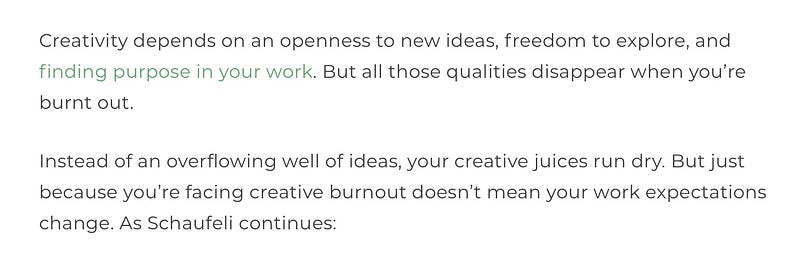
Creative burnout denies you the opportunity to create exceptional work. This can impact on those who earn a living from their creative work.
My Experience with Burnout
Yes, I did mention earlier that I never experienced burnout before during my entire working career.
However, in 2016, I switched careers and chose a more creative path as a writer and designer.
At first, I was way too happy to put in the hours to fulfill my passion as a creator. But around mid-2019, something weird happened. I was continually feeling sleepy and less interested in my work.
None of my habits changed. I had a good diet, exercised regularly, and slept early. Yet still, I had really low energy levels, even in the morning.
At the time, I was running my own little marketing agency with just a few clients, all on my own. The work was immense as I had to design Ads, posters, and social media content daily.
I loved my work, but the pressure to produce exceptional content daily was draining. I eventually started to get sick regularly. A few flu meds, and I was back in it. But I ultimately had to visit the doctor.
Eventually, I switched over to different work after giving up all my clients. When things cooled down, I felt better and had more energy.
Fast forward to mid-2020, and the same symptoms are back (low energy, always sleepy, anxiety). This time I was severely angry and sad. I decided to visit a therapist to see if they could help me.
How Therapy Rescued Me From Burnout
I told my therapist about the symptoms that I was experiencing. She started to dig into my personal relationships with my family, friends, and wife.
The past few years have not been good to me, especially with my family. My father passed away in 2017. He was a truly great man that held our family together. My family (mom, two brothers, a sister, and their spouses and kids) completely fell apart since our dad left us.
This wasn’t my main issue, though. I released that my relationship with my family was utterly dysfunctional. My dad spoilt my siblings and ensured they lived a comfortable life. I wasn’t so lucky. I lived a hard life and spent a decade living far away from my family.
So now that I am back, I am fully into the drama. My family’s frustrations are on me, and I end up taking my frustrations out on my wife.
Connecting the Dots
My therapist and I were able to pinpoint some of the problems I was experiencing, like my relationship with my family. Then we looked at how each issue made me feel and what my reaction was.
For example:
- My mom (and previously my dad) obsessively gives preferential treatment to my other siblings who regularly get a free pass no matter what, even if they do something wrong.
- The above gives me a sense of unfairness or not being treated fairly and with respect.
- This results in me being disappointed, sad, and angered.
- My action was to fight back against this unjust treatment against me, sometimes aggressively.
If my wife exhibited similar behavior, then I similarly fought back at her, sometimes overdoing it and being harsh.
My solution — to be aware of the injustice displayed towards me and come to terms with it and not react inappropriately. I also distance myself from family for a few weeks and immediately started to feel better.
Back on Track

Today, I am feeling better than ever. I have insane amounts of energy. I’ve never been this productive in years!
Sure, my problems are still here to stay, but I have learned to identify them and deal with them.
I am much calmer and collected. My creativity levels are up, and my relationship with my wife is stronger than ever.
Yes, I have slipped up a few times by allowing things to get the better of me. I became distracted and exhausted again for a short time until I realized what’s happening. To fix this, I had to remove myself from my distraction, which was my mom getting me involved in my brother’s business, and focus on my work.
I might sound like a terrible person with no regard for family when I say I decided to distance myself from them. However, they are all adults, and they have to live with their decisions and not drag me down with them. There’s only so much I can do as I have my own wife and son to provide for.
Key Takeaways — Creative Burnout
- Symptoms of creative burnout will give you the impression that your work is the primary cause of you feeling burnt out.
- There might be something that’s seriously affecting you emotionally that you are unaware of. This can potentially make you feel helpless or useless, which can drain your creativity.
- A therapist can ask you the right questions to help you realize where your problems lie. Once you are aware of your deep underlying issues, then you can figure out how to deal with them.
- Having control of what is troubling you deep down can help you find some relief from that feeling of having the whole world on your shoulders.
Better Days Ahead
My experience with Creative Burnout is unique because of the issues I have with my family. Influencers and YouTubers might experience burnout symptoms due to a lot of negative hate in their posts’ comments. I genuinely feel that a therapist can help you to clear up your head so that you can return to your best creative and productive self.
NB. Medium and I are in no way qualified to give professional advice on psychological issues. This article only highlights my experiences with burnout. My goal is to inspire you to take steps towards a better life, hopefully.


