
Can Positivity Be Toxic?
My response to the online controversy.
Can positivity be toxic? People love to debate this topic on social media.
On the one side, some believe that no amount of positivity could ever be harmful. On the other side, many believe the constant push to be positive is more harmful than being negative.
Which one is right?
I don’t know that there’s a definitive answer, but after a lot of thinking, I came to the following conclusions.
Positivity won’t cure you
Some think that positivity is toxic because of the false belief that being positive will cure everything. But it won’t.
The belief that simply trying to be happier or focusing on good things will cure a mental illness is absurd. It’s like trying to fix a broken arm with happy thoughts. Not going to work.
If that’s your definition of positivity, then it truly is toxic. There’s no amount of positivity that will ever take away your bipolar disorder. If this is the definition some have in mind, it’s no wonder they think pursuing a positive mindset is harmful.
But is it really?
Positivity should be about focus
The goal of The Speaking Bipolar Positivity Club is to promote positive positivity. What is positive positivity? It’s all about focus.
Beneficial positivity teaches you to change the things you focus on. It’s about altering your view to better options.
Instead of being consumed by weaknesses, you learn to focus on your strengths.
Instead of obsessing over the things you don’t have, you are grateful for all the things you own.
This change in focus also won’t cure you, but it will improve the quality of your life.
Why can I say that? Because I’ve seen its effect on me and hundreds of others.
Changing one word
There was a time where changing one word in my life changed everything.
In the first years following my bipolar diagnosis, I became known as the “Bipolar Guy.” Even people who didn’t know my name knew I had bipolar disorder.
It was beyond frustrating. I felt like I was walking around with the label tattooed on my forehead in giant red letters.
Adding to the frustration was the fact that whenever people asked me how I was, I always said, “Fine.” However, my mother took a certain twisted pleasure in going around behind me and telling everyone that fine did not really mean fine.

I decided the best way to thwart her efforts to expose my struggles was to change the word I used. Instead of fine, I started telling everyone I was good.
It wasn’t true, but it stopped people from tilting their heads and looking at me sideways. Most people never thought I was lying to them.
A funny thing happened. Changing that one word changed the way I felt about myself. My mental illness wasn’t any better, but by choosing to tell people I was good, I was feeling a little better.
A light bulb went off in my head, and I realized that words and focus can change a lot. That was the start of my pursuit of positivity.
Watching others grow
In the years since, I’ve learned that the things I focus on make all the difference. I now keep a gratitude jar to remind me of the reasons I have to be grateful. I write in my journal reasons for gratitude every day.
When I make a terrible mistake, and I still make many, I look for the lesson I learned from that blunder. When a relationship ends, I look for the lessons I learned from that finale as well.
It’s not always easy to find something positive in every situation, but there is usually at least one thing you can learn. And a lesson learned will teach you to be a better person.
Beneficial positivity is all about trying to improve your mindset. The more you can focus on the good things in life, the more wonderful things you’ll see. The more gratitude you express for the things you have, the more ways you’ll see that you’re already blessed.
I teach this positivity in my Club, and I see the results in the responses I get from my members.
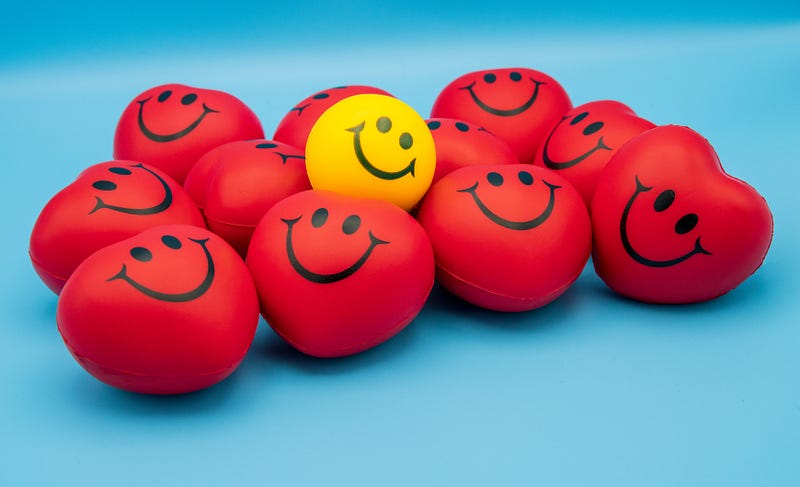
What if positivity still feels toxic?
Will there be times when positivity feels toxic? If you’re battling a mental illness like bipolar disorder, absolutely. However, as you know with many things, just because bipolar makes you feel something doesn’t mean it’s true.
If pursuing positivity feels toxic to you right now, step away from it for a few days or weeks. Let yourself work through the negative emotions in your mind and heart and come back later.
Positivity shouldn’t be an angry teacher swatting you with a ruler. It should be a helpful guide directing you to the sunny side of the street. If it feels too burdensome today, try again tomorrow.
Can positivity be toxic? You bet, if you tie that positivity to the false belief that just by being positive, you’re going to cure your mental illness. It will never do that.
But if you use positivity to improve the quality of your life, it will never let you down.
Until next time, keep fighting.
Sign up for my FREE Sunday All Things Bipolar Newsletter (off-site link) and I’ll send you a few downloadable gifts to improve your life.


