
Can NMN really slow down the ageing process?
Nicotinamide mononucleotide — The new miracle cure of the anti-ageing scene
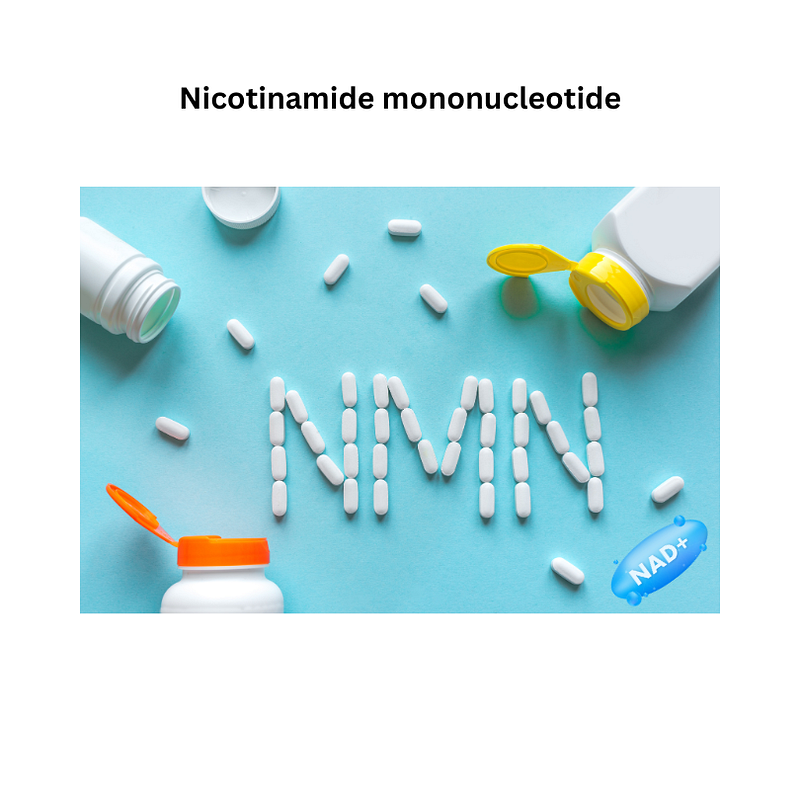
NMN is regarded as the new miracle cure in the anti-ageing scene. But can it really stop the ageing process? The facts at a glance.
Smooth skin and full hair well into old age — that’s what many people want. Accordingly, products that are supposed to delay the ageing process, so-called anti-ageing products, are very popular. For some time now, a new “miracle cure” has been raising hopes among consumers and scientists: Nicotinamide mononucleotide, or NMN for short.
“Tauter skin, more energy and increased performance” — this is how users describe the effect of NMN on the internet. But is this scientifically proven?
What is NMN?
NMN is a substance that occurs naturally in the body. It is the precursor of an important co-enzyme: nicotinamide adenine dinucleotide, or NAD+ for short. NAD+ in turn is involved in numerous reactions in the body, such as
🔹 the conversion of information stored in the DNA
🔹 the cellular response to stress
🔹 DNA repair
🔹 energy metabolism
Because of these functions in the body, many researchers believe that NAD+ plays an important role in human longevity and health. And because NMN is the precursor of NAD+, current research suggests that NMN could also have a beneficial effect on the ageing process.
How does NMN work?
Young people have a high level of NAD+. However, this gradually decreases with increasing age. Researchers therefore assume that the reduction of NAD+ is — at least in part — responsible for the consequences of ageing, such as DNA damage, cognitive impairment and inflammatory diseases.
Research on NMN has shown that it can increase the concentration of NAD+ in the body and thus slow down the reduction of NAD+.
Animal studies
In addition, the intake of NMN mitigated various age-related complications in a number of animal studies (mice and rats):
🔹 It improved insulin action
🔹 It reduced inflammation
🔹 It improved energy production in cells
🔹 It improved neuronal function in the brain
In mice, the ageing process and the associated typical age-related diseases could therefore be slowed down considerably — diabetes, Alzheimer’s and heart failure decreased in many mice.
Human studies
In order to find out whether NMN is also safe for humans in the long term and achieves the desired anti-ageing effect, clinical studies on humans are required in addition to animal studies. And this is where the problem lies. So far, there are only a few published reports on the effect of NMN in humans. So far, only the following effects have been observed in humans:
🔹 a slight improvement in muscle performance in old age
🔹 a slight improvement in insulin sensitivity in the muscles of prediabetics
🔹 a slight improvement in the protective layer around the chromosomes (telomeres)
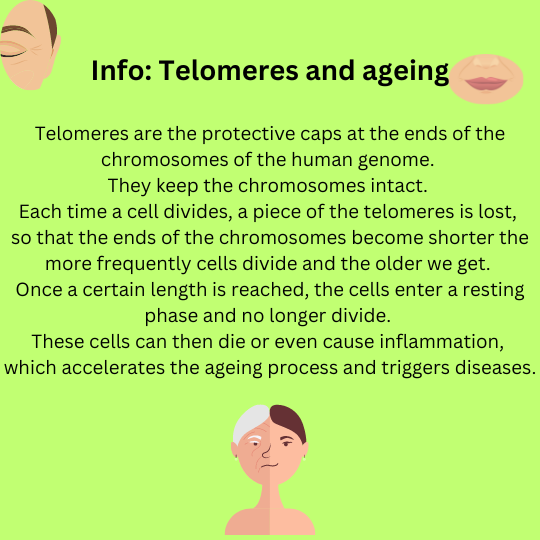
Further studies on humans are needed for clearer results.
NMN: How much to take and for how long?
Although the effect on humans has not yet been confirmed, there are already many NMN products on the market. The good news is that existing clinical studies in humans at least indicate that oral intake of NMN is generally safe.
The dosage used ranges from 250 to 1250 milligrams per day. However, there were differences in the duration of use: the low concentrations proved to be safe over a period of up to 12 weeks, while the intake of high concentrations was tested for only four weeks. The results also showed that NMN is generally well tolerated. No side effects have been observed to date.
What else should be considered when taking NMN?
However, despite these positive results, you should be careful. There are still many unanswered questions about the effect of NMN. In particular, further research is needed into how the long-term use of NMN affects the body and whether it can interact with other dietary supplements or medications.
If you would still like to try NMN, there are a few things you should bear in mind:
🔹 NMN should only be supplemented at an older age, when the body’s own NAD+ levels have already dropped. It is not yet clear how high levels of NAD+ affect the body. 🔹 To begin with, you should allow two to four weeks to try out whether you can tolerate the product at all. As soon as you notice any unpleasant symptoms, you should stop taking it. 🔹 As with all dietary supplements, you should make sure you buy from a certified seller. It is therefore best not to buy the product from abroad.
Are there natural sources of NMN?
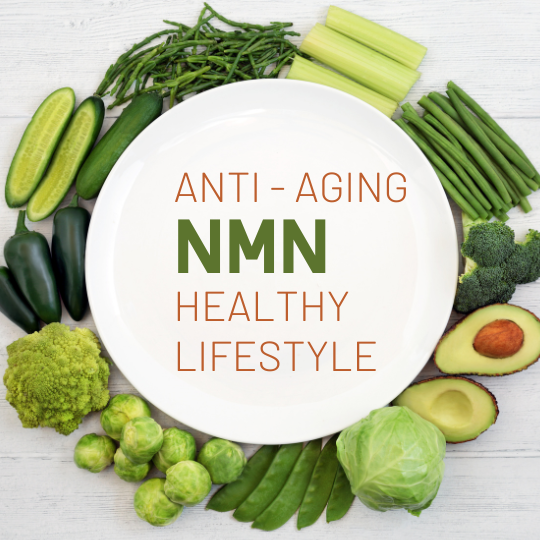
If you prefer to improve your NMN balance naturally, you can do this through your diet. NMN is found naturally in a variety of fruit and vegetables, including
☑️ Edamame: around 1.1 milligrams per 100 grams ☑️ Avocado: around 1.0 milligram per 100 grams ☑️ Broccoli: around 0.7 milligrams per 100 grams ☑️ Cucumber: about 0.6 milligrams per 100 grams ☑️ Mushrooms: about 0.5 milligrams per 100 grams ☑️ Cabbage: about 0.45 milligrams per 100 grams ☑️ Tomato: about 0.2 milligrams per 100 grams
Conclusion
Although the effect of NMN on humans has not yet been confirmed, there are already many food supplements containing it on the market. They are often marketed with claims about their effectiveness in laboratory and animal studies. However, the effect on humans has not yet been sufficiently researched — even if initial studies suggest a slight anti-ageing effect. However, it is considered safe to take NMN products for a certain period of time. However, if you are taking other dietary supplements or medication, you should speak to your doctor before you start taking NMN.
Who has made experiences with NMN❔
I would be happy if you leave these or other questions in the comments❕