
NFTs, NFT Teams, Marketing, Business
Can NFTs Show Established Brand Logos in Generative Artwork?
I’m not a lawyer, but I’ve been on 15 generative drop teams and have seen some activity on this!
Having programmed around 150,000 NFTs to date, I’ve seen pretty much every generative art scenario you can think of. And one issue that crops up on almost every single project I’ve worked on is a discussion of copyright and IP issues related to the NFT artwork referencing existing brands and/or IP. And I’m usually the one bringing this up, if only to protect clients. (I’d estimate I’ve saved clients considerably in this area!)
Generative NFTs are built using layers. (I’ve written extensively on how generative NFT drops work, especially focusing on how the art side of things works. I’ve done this to help NFT drop teams better manage their process and improve chances of success.) And typically, these layers often reference existing brands; it’s just something that artists love to do.
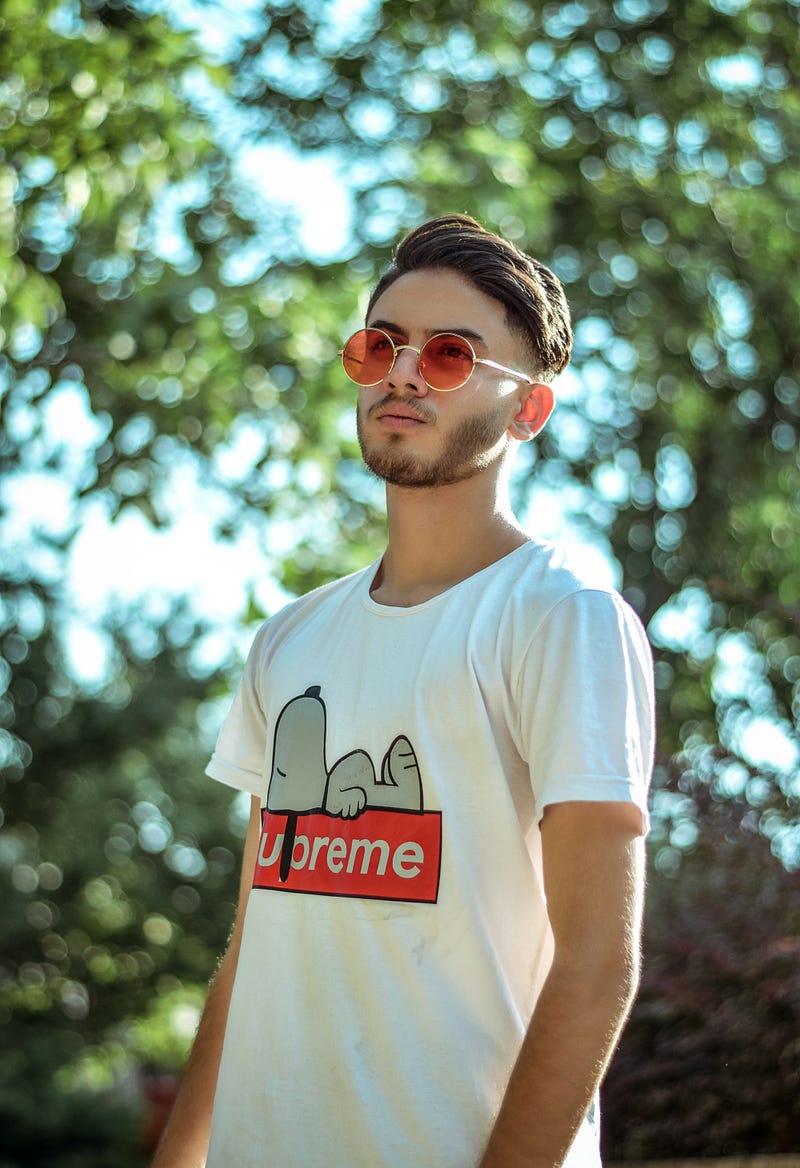
Imagine that the generative art subject is a character. And one of the layers that we pop onto this character is a shirt. It’s quite natural for an artist to want to depict some pop-culture reference on that shirt — maybe a logo or an existing brand.
Somehow, in the offline world, that’s quite a bit easier to get away with, even if technically it could be considered an infringement. The likelihood of an artist receiving a takedown notice for trying to sell a one-off painting in some roadside gallery in North Carolina is very low, and surely that’s related to the fact that such sales are massively under the radar.
Also, corporate legal departments range wildly in terms of what they seem to care about. Brands like Siracha, for example, aren’t even trademarked. But on the other end of the scale, brands like Disney have reputations for taking legal action against even the most ridiculously trivial uses of their IP. I’ve heard tales of local bakeries that won’t draw a Mickey Mouse on a kid’s birthday cake out of fear of being sued by Disney’s lawsuit machine.
That all said, the game changes once you go online with something — and doubly so in the world of commerce.
Generative NFT sets consist of usually around 10,000 PNG files, each selling for the equivalent of (usually) about $150 to $1,000. That’s enough of a budget to interest any corporate desk jockey holding a J.D. degree.
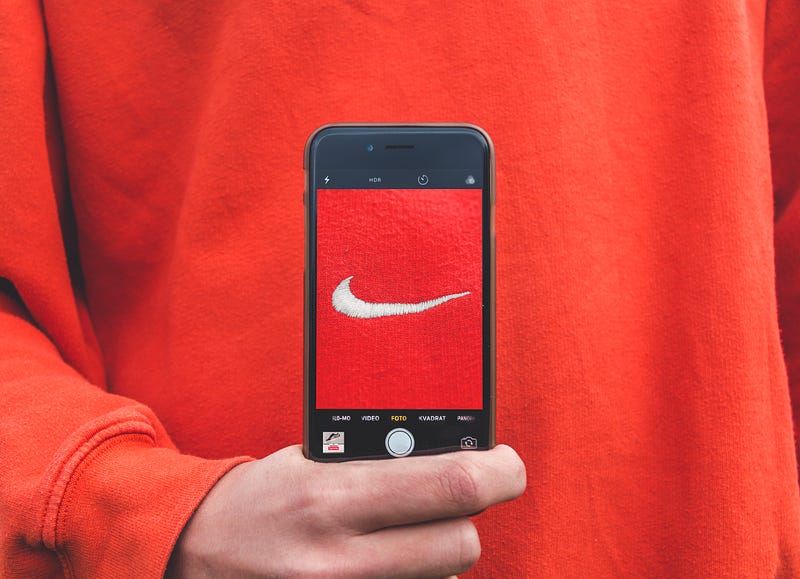
And let’s not forget, it’s not usually just the brand representation, alone. Such generative works also have accompanying metadata. So, when you put that Nike swoosh on your character’s t-shirt, you usually will have a property and trait name associated with it: “SHIRT : Nike” — which is practically broadcasting to the world that you’re selling (or, in most cases, have already sold) a product bearing their IP.
And that’s a big no-no, of course. It doesn’t take a lawyer to know that much.
Solutions
Whenever I see brands represented in generative sets my company works on, we always tell them to please consider the possible legal ramifications of leaving those brands in the work. After all, the last thing any NFT team needs is a takedown notice, which could jeopardize the long-term value of the entire NFT set.
Some teams appreciate the heads-up. Others think we’re being over-cautious. But, I’d strongly assert that to err on the side of caution is the most prudent route.
Some teams take a middle-road, which would be to leave the trademark / logo / etc. shown within the work, but to not call it out in the metadata — i.e., leave the Nike swoosh, but call it “SHIRT : Sport”. I think that, at best, this approach keeps your artwork under the radar. But I can’t say whether such use falls within “fair use” or “artistic expression” or some other permissible umbrella. (That would be for your lawyer to decide!)
At the end of the day, artists often want to show style, and they often want to make reference to brand culture in some way. And I get that, for sure. So, what I ultimately like to recommend is to view this legal area around logos not as a constraint, but rather as an opportunity.
In other words: Leverage your desire to display logos as an opportunity to build your own brand. Come up with a logo for your set, and have your characters display those logos on the merch they wear. Not only will your characters look cool doing this, but you’ll be establishing your own brand and also encouraging the future development of IRL merch opportunities for your set.
Of course, it’s not all as easy as switching out swooshes for some new NFT drop logo. Artists also like to make allusions to various iconic design styles, clothing, accessories, etc. As I said at the beginning of this piece: I’m not a lawyer. I suspect some of that is a gray area, but would always encourage NFT teams to proactively speak of this issue with a lawyer to get more insight into your particular situation.
It might seem like an extra expense at the outset (because it is), but NFT brands have this peculiar way of transforming from almost nothing into multi-million-dollar enterprises practically overnight. So, it’s better to get your ducks in a row early on.
That all said, when you’re ready to talk generative art, smart contracts, and mint-on-demand NFT projects, give me a holler. It’s what we do all day, every day. :-)
Cool 3D Cat Minting Opportunity!
Before I leave… Looking for some cool 3D-rendered cats? The “I’m a Kitty Cat” NFT drops Jan 24 at 7pm CST. Do check it out; it features the same award-winning fur-modeling artist, Massimo Righi, that did The Royal Cubs sellout NFT drop a few days ago. (Their floor is around 0.25 ETH now and the Kitty Cats are minting at 0.07 ETH!) Full disclosure: I’m on the dev team for the Kitty Cats! But that only allows me to confidently let you know how awesome these 3D cats really are!
