
Can Neuroscience Predict What You buy?
How Coca-cola uses neuromarketing to make you choose.

Consumers are constantly bombarded by the media in one form or another and advertisers are vying for your attention every minute. But despite there being thousands of brands to choose from. Some of our choices are always fixed. Whether you like Coke or Pepsi, or your favourite brand of Chips or even your most trusted bank?
Its to do with more than just taste buds or faith and a lot of Neuromarketing.
Neuromarketing usually involves using science-backed behavioural studies to decide what your consumer likes and then selling it to them. This is as tedious and expensive as it sounds.
Yet with enough money, it can be a game-changer for a company. With a few bags of money, a marketing agency and behavioural scientists. Companies are changing the way consumers perceive them and their products.
Most of our decisions with respect to big brands are heavily influenced and probably even pre-decided in the era of Facebook marketing. Whether you are comfortable or fascinated with neuromarketing being used or feel like its a violation of your privacy...Here are some examples of your decisions predicted by your favourite companies.
№1 — Coca Cola’s campaigns since 2013…
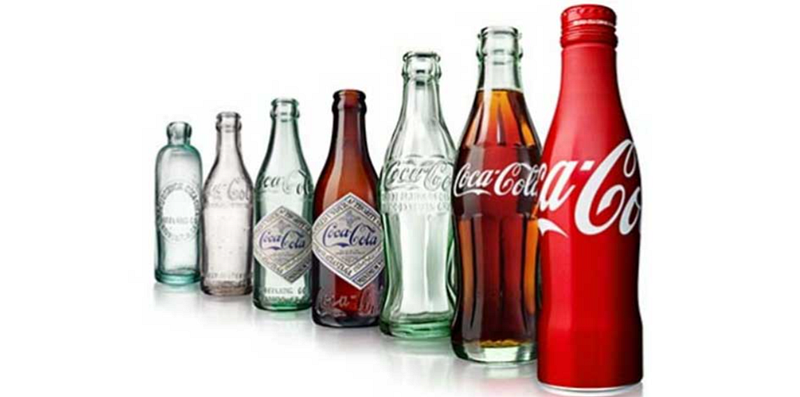
The first study for Neuromarketing was in 2003–20004. And of course, it was from the Kingpin of neuromarketing — Coca Cola. They compared Pepsi and Coca Cola in a blind study. People liked Coca Cola’s brand but Pepsi’s taste.
This was just a first in the many studies they conducted. From 2013, Coca Cola not only publicly declared the use of neuromarketing but also set up its in-house Neuroscience Lab!
Even in the above image, you can see that this brand has not really changed the shape or feel of its drink in the glass bottle since the 1800’s when it was started.
Coca Cola’s example of making bottles with the Red Colour was another popular precedent. Of course, this has been used by several companies ranging from McDonald's to Zomato and many other Food Giants. It's a clear example of how certain colours incite certain responses in our brains. Here the association of red is with delicious food.
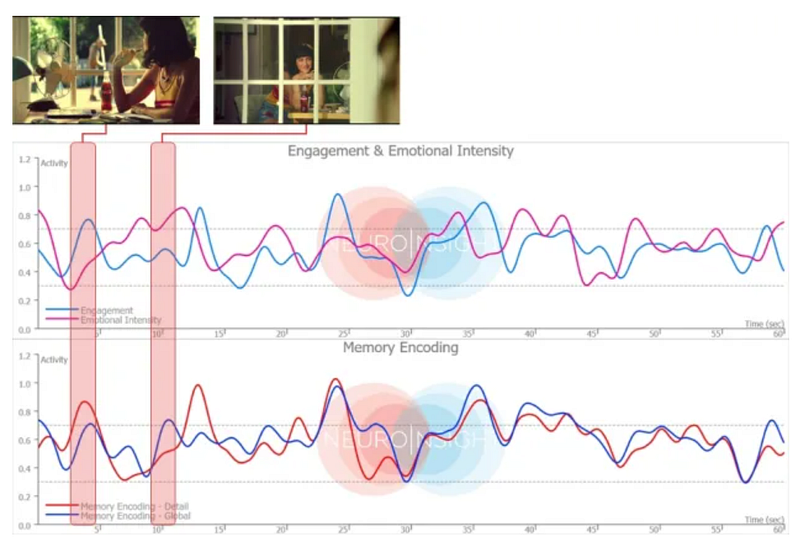
In a Super Bowl in 2017, Coca Cola ranked 3rd favourite in advertisements. The Pool Boy ad by Santo received a Bronze Lion award in the creative category at Cannes. In the ad a brother-sister duo race to give the pool boy a bottle of coca-cola. When analysed using Neuromarketing tools by NeuroInsight, the ad ranked insanely high. It had very good retention in the long term memory, engagement and emotional intensity.
Co-Cola has its Own In-House Neuroscience Lab!
The attachment that viewers felt to this ad was inescapable. According to Coca Cola, it was because of the high relatability of the content when the sister is sitting indoors enamoured by the pool boy, which apparently draws from our own daily lives.
This is another example of how neuromarketing latches onto the most primal associations in your brain that you aren't even aware of. They are inescapable. From the aromas wafting inside your favourite clothing store to the same music in your regular go-to cafe. To the texture of your purchase bags…It's all a form of neuromarketing. It's almost a form of conditioning.
Frito-Lay — Power of Packaging
Have you noticed our tendency to be attracted to shiny things? We love shiny things — diamonds, metallic sheens of different products.
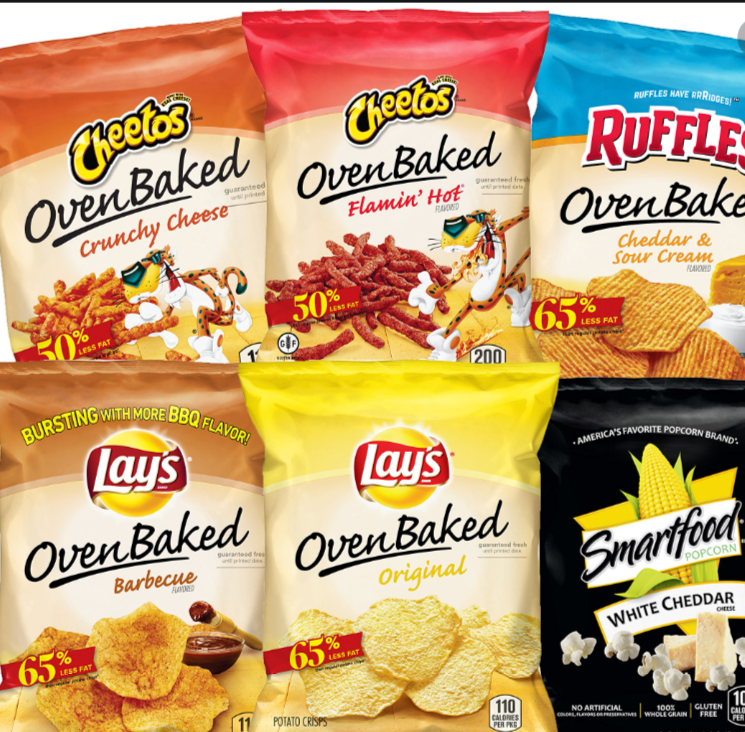
A few years back Frito Lay used neuromarketing to test this observation. The company asked researchers to study consumer behaviour for its packing choices, whether consumers preferred Shiny Packaging or Matte Packaging. The results were quite surprising, the study showed consumers showed a relatively more positive response for Matte Packaging.
That was the end of Shiny packaging era for Frito-Lay products. Which is quite obviously visible for all of our chips- Lays, Cheetos, Doritos everything comes in matte packets. This research was then extended to colours, fonts, images and many more aspects of the products.
Whether you realise it or not this decision was completely yours. You chose it without even knowing when, why or how. That is how powerful neuromarketing.
It not only targets consumers at the conscious level but also influences their decisions at the subconscious.
PayPal- Neuromarketer’s Perspective
There are probably 100’s of banks across countries. But despite them offering us almost the exact same benefits we choose one over another and trust it. Why?
That is exactly what PayPal set to find out. This online payment service used neuromarketing to get more shoppers. Paypal rolled out 2 advertisements. One promising security and reliability. While another one spoke about the speed and smooth function of the app.
The marketers were surprised to see that the neuroinsights clearly favoured speed. One would expect banking services to project themselves as safe. But PayPal went with “fast” as its USP. This was a major reason behind PayPal’s successful campaign!
Neuromarketing had already predicted what we wanted and gave it to us.
Neuromarketing is a powerful tool that combines brain imaging, eye tracking movements, surveys from focus groups and many more aspects. It is quite expensive. But its effectiveness is yet unmatched by traditional marketing tools.
Which is unsurprising of course. What could be more effective than asking the brain what it wants, no surveys, no questions for consumers, no board room meetings making predictions. You study the response of your consumers’ brain waves and that answers all your questions.
Of course, several people have raised ethical dilemmas, privacy issues, and concerns about feeling violated. But in the age where we put all details on to social media, allow every website to use cookies. It is unsurprising that marketers are going to all possible extremes to understand what their customer wants. Even is it means literally peering into their heads.


