
Can Gratitude Exercises Change Your Brain?
Discover 6 Effective Practices.
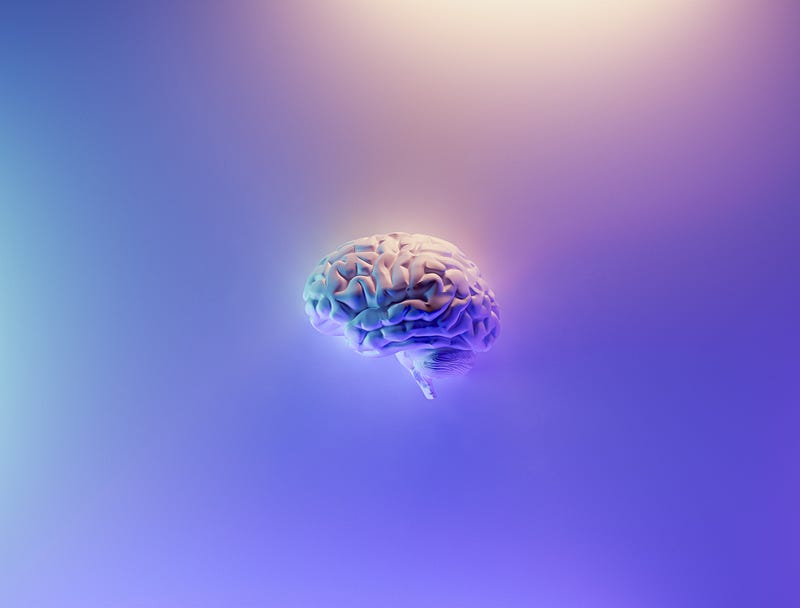
Can gratitude exercises truly change your brain? This question has been lingering in my mind for quite some time, and I couldn’t resist the urge to find out for myself.
Through my self experiment, I embarked on a journey to discover the transformative power of gratitude and its impact on my brain.
Like many, I had my fair share of ups and downs, and negativity often seemed to overshadow the positives in my life.
But I was determined to break free from this pattern and cultivate a more positive mindset. Gratitude became my guiding light.
With curiosity as my compass, I explored various gratitude practices and immersed myself in the world of neuroscience.
Armed with newfound knowledge, I set out to apply these techniques to my daily life. I wanted to see if consistent gratitude exercises could truly rewire my brain and enhance my overall well-being.
Join me as I share the insights, revelations, and profound changes I experienced throughout this self-experiment. Discover the six effective gratitude practices that not only transformed my brain but also brought about a profound shift in my perspective and happiness. Get ready to embark on a journey of self-discovery and unlock the remarkable potential of gratitude within yourself.
The quest for transformation

Like many others, I had my fair share of struggles and negative experiences that weighed me down.
I longed for a change and a way to break free from the chains of negativity.
The idea that gratitude exercises could be the key to transforming my brain fascinated me, and I delved into the research to understand the science behind it.
Gratitude’s Impact on the Brain
Real studies and facts paint a compelling picture of the profound effects of gratitude on the brain. I discovered that practicing gratitude could activate the brain’s reward centers, increase the production of feel-good neurotransmitters like dopamine and serotonin, and even enhance neural connectivity. These findings gave me hope that rewiring my brain for positivity was indeed possible.
6 Effective Gratitude Practices
Gratitude Journaling: Each day, take a few moments to write down three things you are grateful for.
Reflect on the positive aspects of your life and capture them in writing. This practice helps shift your focus towards gratitude and cultivates a sense of appreciation.
Expressing Gratitude to Others: Reach out to someone in your life and express your genuine appreciation for them.
It could be a friend, family member, colleague, or even a stranger who has made a positive impact on you. Share specific reasons why you are grateful for their presence in your life.
Mindful Gratitude Meditation: Set aside a dedicated time for meditation focused on gratitude. Sit in a quiet space, close your eyes, and bring to mind things you are grateful for. Allow yourself to truly feel the gratitude in your heart and let it permeate your being.
Finding Silver Linings: Train your mind to find the silver linings in challenging situations. When faced with difficulties, consciously look for lessons learned, personal growth, or unexpected positive outcomes. This practice reframes adversity and nurtures resilience.
Gratitude Walks: Take a walk in nature and let the beauty around you inspire feelings of gratitude. Pay attention to the sights, sounds, and sensations you encounter along the way. With each step, express gratitude for the natural world and the simple joys it provides.
Gratitude Rituals: Create personal rituals that serve as reminders of gratitude throughout your day. It could be starting or ending your day with a gratitude prayer, displaying gratitude quotes or affirmations in your workspace, or incorporating gratitude into your mealtime by expressing thanks for the nourishment.
Armed with this knowledge, I began my journey of self-experimentation with six carefully chosen gratitude practices. Each practice had a unique focus, from daily gratitude journaling to expressing gratitude to others and finding silver linings in challenging situations. I immersed myself in these practices and committed to embracing gratitude in every aspect of my life.
Unveiling the Results
As I continued the consistent practice of gratitude, I started to notice subtle shifts in my mindset and overall wellbeing.
The heaviness of negativity gradually lifted, making way for a greater sense of joy, peace, and contentment. Real studies echoed my personal experiences, highlighting the remarkable changes gratitude exercises can bring about in the brain’s structure and function.
Integrating Gratitude into Everyday Life

Gratitude became an integral part of my daily routine, as natural as breathing. I discovered that the key to sustaining the transformative effects was to make gratitude a habit, weaving it into the fabric of my existence. I shared my experiences with loved ones, and together we cultivated a culture of gratitude, fostering deep connections and spreading positivity.
The ripple effect
The impact of gratitude exercises extended beyond my own life. Real studies showcased the ripple effect of gratitude, highlighting how expressing gratitude could improve relationships, enhance empathy, and promote overall wellbeing in individuals and communities.
I witnessed firsthand how my newfound gratitude influenced those around me, inspiring them to embark on their own journeys of brain transformation.
Conclusion:
My journey of brain transformation through gratitude exercises has been nothing short of extraordinary.
I have witnessed the power of gratitude to reshape not only my own life but also the lives of those I care about. Real studies and facts support the profound effects of gratitude on the brain, affirming that rewiring our minds for positivity is indeed within our reach. I invite you, dear reader, to embark on your journey of brain transformation through gratitude.
Discover the remarkable power of these six effective practices and witness the profound changes they can bring about in your life. Embrace gratitude as a guiding force and watch as your brain rewires itself for joy, resilience, and a deeper appreciation of the world around you. The path to brain transformation starts with gratitude, and it’s a journey well worth taking.


