
Can City Hall reduce violence in the community? Not by itself.
Birmingham launches creative partnerships to attack violence on all sides
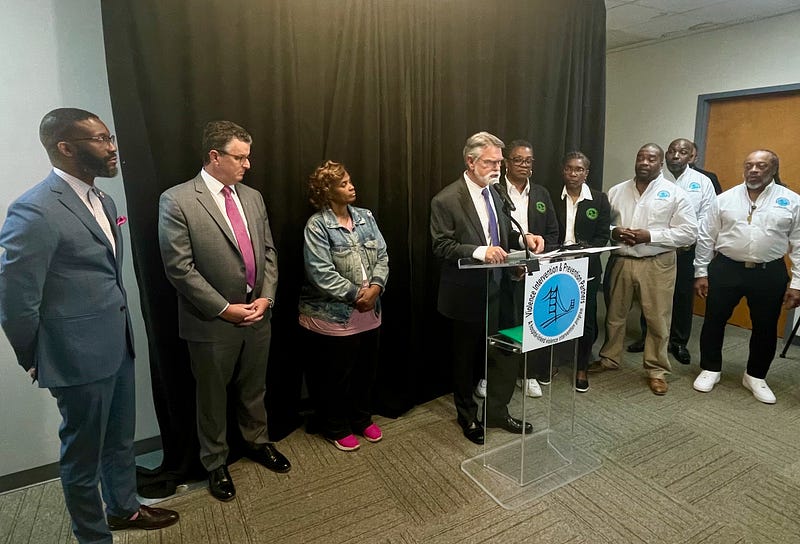
Like many cities across the country, Birmingham has been wrestling in recent years with violence in our community. Too many guns. Too many deaths. Too many heartbroken loved ones.
My family knows this heartbreak first-hand. I’ve lost a brother and nephew to gun violence. I wouldn’t wish that pain on anyone. Yet too many of our fellow citizens know it and live it every day.
Neither our collective grief nor our righteous anger has put an end to violence. Tough talk from community leaders hasn’t stopped it. Loving appeals haven’t, either.
The issues that fuel violence are complex and not prone to quick fixes. But “doing nothing” is not an option when lives are at stake. That’s why my administration is joining with a wide range of community partners to tackle this problem on many sides. With strong backing from the Birmingham City Council, we have launched a strategy we call Common Ground to reduce violent crime in our city.
Important to note: Our strategy includes law enforcement. We recognize that police officers play a key role in keeping our community safe. But these officers will be the first to tell you that we can’t arrest our way out of this problem. We believe a multi-pronged strategy is needed, one that includes creative partnerships, real investments and targeted interventions at those times when we have an opportunity to break the cycle of violence.
Our interventions are trauma-informed, research-based and supported by community organizations — including our hospitals, courts, and schools — that are already involved with individuals at these critical moments.
Examples include:
Hospital-Linked Violence Intervention Program Partners: City of Birmingham, Jefferson County Department of Health, UAB Hospital, Offenders Alumni Association City Investment: $2.1 million
The program provides outreach to individuals who are hospitalized as the result of violence. This is a critical moment; there can be the temptation or even encouragement to retalitate, or an injury can be a wake-up call. This intervention would give survivors the opportunity and support to break the cycle of violence through specialized case management services, mentoring and other assistance to help individuals mentally and physically recover from trauma.
Common Ground H.E.A.T. Curriculum Partners: City of Birmingham (Birmingham Municipal Court), Birmingham City Schools, Community Coaches City Investment: $1 million
The Habilitation, Empowerment, and Accountability Therapy (H.E.A.T.) curriculum will be taught to more than 400 students from high schools, middle schools, K-8 and alternative schools within the Birmingham City Schools district. It uses an evidence-based, culturally relevant, holistic approach to handling anger management and conflict resolution, supported by trained coaches who’ll provide therapeutic counseling within the school system. The performance of this curriculum has already led to expansion with programs for the summer months when youths are not in school.
RESTORE Pilot Project Partners: City of Birmingham, Jefferson County Family Court, Jefferson County Family Resource Center, Jefferson County Detention Center City Investment: $225,000
RESTORE is a juvenile re-entry program providing comprehensive services and support for youth ages 16 to 19 who have been committed to the state’s Department of Youth Services. This will include assistance with getting a state ID, creating an education or career plan, securing safe housing and transportation and incentives for progress.
Justice and Governance Partnership Partners: City of Birmingham, Birmingham City Council, Jefferson County Commissioner Sheila Tyson, Aspen Institute City Investment: $275,000
Birmingham is one of six cities nationwide in this program, which is designed to help us analyze the issues and identify policy improvements to curb our dependence on the criminal system and stimulate more investment in the local people, institutions and networks most knowledgeable about neighborhood safety and justice.
Mental Health Support for Birmingham City Schools Students Partners: City of Birmingham, Birmingham City Schools City Investment: $1 million
The City of Birmingham is providing funding to expand mental health services in Birmingham City Schools. Through the partnership, we are ensuring each school has counselors and a crisis response team. In addition, faculty, staff and support staff have received MANDT behavioral crisis training, which teaches prevention and de-escalation techniques.
Safe Havens Partners: City of Birmingham, Birmingham Park and Recreation Board, multiple individuals, city departments and organizations.
City Investment: $1 million
The Birmingham Safe Haven initiative provides programs at 14 city recreation centers to help youths with homework; offer recreational options; promote personal growth, selfcare, and mental health; and offer meals. Parks and Recreation coordinates through Birmingham schools, professional groups and individuals to mentor these young people.
The Surge Project Partners: City of Birmingham, The Surge Project, National Training Institute for Healthcare Technicians City Investment: $80,800
The city’s Department of Innovation and Economic Opportunity awarded funding through the BOLD program to The Surge Project to provide workforce development and soft-skills training for adults ages 18–35 to provide opportunities to become certified healthcare professionals.
These seven partnerships are part of a larger city mission that puts people first and focuses on expanding opportunities for all.
At the same time we are investing in programs aimed at reducing violent crime, we are forging public-private partnerships to provide better pathways to success for our children to keep them from getting caught in the cycle of violence in the first place. We are helping our young students become better readers (and hence, more successful learners). We launched and are supporting Birmingham Promise, which provides paid internships to our high school seniors and college tuition for our graduates. We are providing a financial literacy program for our students and their families. As we help young people achieve school, college and career success, we are giving them more hope for the future and less inclination to make choices that feed violence.
We know that prevention is far better than any cure we can offer when someone is caught up in the cycle of violence. But we are not content to throw up our hands. With our community and city partners, we are taking aim at gun violence — and giving our young people a way to exit the cycle of violence that doesn’t end in more broken hearts and death.


