
Can Books Truly Outshine Their Cinematic Counterparts?
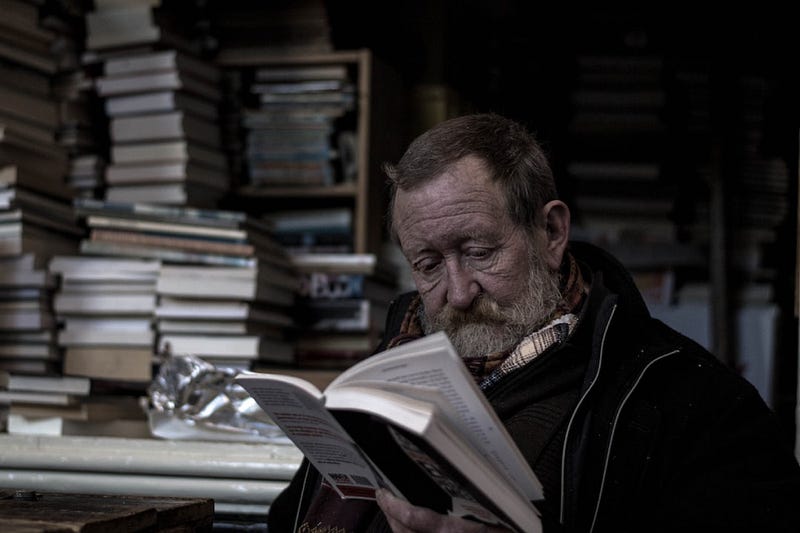
In the perennial debate between books and their cinematic adaptations, a resounding sentiment often prevails: “The book was better than the movie.” While films have the power to captivate and entertain, there’s an undeniable magic embedded within the pages of a book that seems to elude even the most skillful filmmakers. In this exploration, we unpack the reasons why, more often than not, the book emerges as the superior storytelling medium.
Unfiltered Imagination:
The human mind possesses an extraordinary ability to conjure images and scenarios. Books offer a canvas of words, allowing readers to paint their own mental pictures and create a personalized, immersive experience. Unlike movies, where visuals are dictated by a director’s interpretation, books leave room for individual imagination to flourish.
Deeper Character Insight:
Books provide the luxury of delving into a character’s innermost thoughts, feelings, and motivations. The written word allows for a nuanced exploration of a character’s psyche, fostering a profound connection between the reader and the protagonist. This depth often gets lost in translation when characters are distilled into visual representations on the big screen.
Richer Narrative Detail:
Novels can afford the luxury of expansive narratives and intricate details that may be sacrificed in the constraints of a two-hour film. The richness of subplots, historical context, and world-building that books offer is often streamlined in movie adaptations, leaving viewers with a more condensed and sometimes diluted version of the story.
Pacing and Time Investment:
Reading a book requires a time investment that often pays off in the form of a more thorough and satisfying storytelling experience. Movies, constrained by runtime limitations, may struggle to capture the intricacies of a complex plot or the gradual development of characters that books can leisurely unfold.
Unexplored Subtext and Themes:
Books frequently carry layers of subtext, symbolism, and thematic depth that may not translate seamlessly to the screen. The subtleties of a well-crafted sentence or a carefully chosen metaphor can be challenging to replicate in a visual medium, leading to the omission of crucial nuances in film adaptations.
Reader Empowerment:
Readers actively participate in the creation of the story as they navigate through the pages of a book. The autonomy to envision settings, characters, and outcomes fosters a sense of ownership over the narrative, making the reading experience deeply personal. Movies, in contrast, impose a more passive role on the audience.
While cinematic adaptations can offer a visual feast and breathe life into beloved stories, the unique qualities of books make them an unparalleled storytelling medium. The unbridled scope for imagination, the depth of character insight, the richness of narrative detail, and the reader’s active involvement collectively contribute to the enduring charm of books. In the perennial battle between the written word and the silver screen, the book emerges as the eternal victor, reminding us that the true magic of storytelling often lies within the pages of a well-crafted novel.
?