
Can AI Write a Bestseller? Bard vs. Bard: A Tale of Two Stories
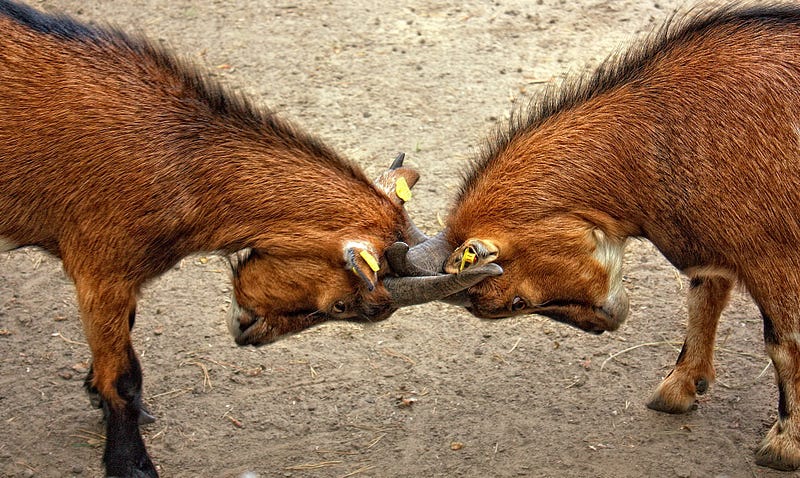
Imagine a world where stories write themselves. Where plots twist and turn, characters bloom to life, and emotions dance on the page, all orchestrated by the silent hand of artificial intelligence. But can AI truly capture the magic of storytelling, the spark that ignites a bestseller? Can a machine weave a narrative that rivals the masterpieces crafted by human minds?
Bard, Step into the Arena:
Enter Google Bard, a language model with a vast vocabulary and an insatiable appetite for words. It devours stories, analyzes their structures, and learns the subtle art of weaving narratives. But can it craft a story that resonates with readers, that tugs at their heartstrings and keeps them turning pages well past midnight?
The Challenge:
We propose a daring experiment. Two stories, born from the same seed of inspiration, will battle for literary supremacy. One, penned by a seasoned human author, the other, the brainchild of Google Bard. Both will face the ultimate test: the judgment of real readers. Will the human touch prevail, or will AI rewrite the rules of storytelling?
Prompts of Provocation:
To ensure equal footing, both author and Bard receive the same starting point:
- Genre: Fantasy
- Setting: A forgotten city shrouded in mist, rumored to hold a hidden power.
- Characters: An exiled prince seeking redemption, a cunning sorceress guarding secrets, and a mysterious street urchin with hidden talents.
Armed with this shared foundation, author and Bard embark on their solitary journeys. The author taps into their wellspring of experience, emotions, and imagination. Bard, meanwhile, harnesses its vast knowledge of literature, analyzing countless stories to identify patterns and emotional hooks.
The Stories Emerge:
Weeks later, two manuscripts materialize. The human’s story, titled “Whispers of the Lost City,” unfolds with rich descriptions, complex characters, and a plot that twists and turns like a labyrinth. Bard’s creation, “Echoes of Amoria,” boasts a meticulously crafted world, intricate magic systems, and dialogue that feels eerily lifelike.
The Battlefield: Reader Hearts:
Now comes the true test. Both stories are released to a group of diverse readers, unaware of their origins. They devour the chapters, lose themselves in the worlds, and form connections with the characters. Will they be swayed by the human’s emotional storytelling or impressed by Bard’s technical prowess?
The Verdict:
Days turn into weeks, and the results trickle in. Reviews pour in, both praising and critiquing each story. “Whispers of the Lost City” resonates with its emotional depth and relatable characters, while “Echoes of Amoria” impresses with its world-building and intricate plot.
But the final verdict is split. Some readers favor the human’s story, finding it more engaging and heartfelt. Others are captivated by Bard’s originality and masterful execution. The lines blur, the debate ignites. Can AI truly write a bestseller?
Beyond the Binary:
The answer, perhaps, lies not in a definitive winner, but in the journey itself. This experiment has shown that AI like Bard possesses the potential to create compelling narratives, pushing the boundaries of storytelling. While it may not yet fully replicate the emotional resonance of human authors, it offers a unique and powerful tool for creative exploration.
The Future Beckons:
This is just the beginning. As AI continues to evolve, its storytelling capabilities will undoubtedly improve. The line between human and machine-generated narratives will continue to blur, challenging our traditional notions of authorship and creativity.
So, dear reader, the question remains: Can AI write a bestseller? Perhaps the answer is not “yes” or “no,” but a resounding “maybe.” And in that “maybe” lies a future brimming with new possibilities, where human and machine creativity intertwine to weave even more astonishing tales.
Join the Conversation:
What do you think? Can AI ever truly write a bestseller? Share your thoughts and join the conversation about the future of storytelling in the comments below!