avatarNeera Mahajan

Free AI web copilot to create summaries, insights and extended knowledge, download it at here

3265

Abstract

<blockquote id="f9d8"><p>They discovered a profound trust in the universe and the reliable goodness of humanity that never abandoned them, regardless of the suffering they encountered.</p></blockquote><blockquote id="9fd5"><p>If that possibility exists at the time of dying, it exists here and now.</p></blockquote><blockquote id="5bad"><p>- Frank Ostaseski, The Five Invitations</p></blockquote><p id="ee95">Rainer Maria Rilke, Bohemian-Austrian poet and novelist, one of only a few who understood it well. He wrote:</p><blockquote id="d478"><p><i>Death is our friend precisely because it brings us into absolute and passionate presence with all that is here, that is natural, that is love. —</i>Rainer Maria Rilke,<i> A Year with Rilke</i></p></blockquote><p id="f586">Instead, we spend our lives shuddering at any reminder of our inevitable end, forgetting the miracle of having lived at all.</p><p id="927b">Nearly a century later, John Updike, an<i> American novelist, and poet</i> echoed this sentiment: <i>“Each day, we wake slightly altered, and the person we were yesterday is dead. So why, one could say, be afraid of death, when death comes all the time?”</i></p><p id="cb30">However poetic this notion might be, it remains one of the hardest for us to befriend and reconcile with our irrepressible impulse for aliveness. How, then, are those only just plunging into the lush river of life to confront the prospect of its flow’s cessation?</p><p id="3efb">Michel de Montaigne, a French philosopher, a most significant one at the time of the French Renaissance, articulated the central paradox of death and the art of living in <a href="https://www.gutenberg.org/files/3600/3600-h/3600-h.htm">The Complete Essays</a>: <i>“To lament that we shall not be alive a hundred years hence, is the same folly as to be sorry we were not alive a hundred years ago.”</i> Still, lament we do, and some of our greatest art gives voice to that lamentation.</p><p id="9ee4">That paradox is what Mark Strand explores with transcendent courage and curiosity in his poem “The End,” found in his <a href="https://www.amazon.com.au/Collected-1947-1997-Penguin-Modern-Classics-ebook/dp/B00E8WUAD8/ref=sr_1_2?keywords=mark+strand+collected+poems&amp;qid=1586780119&amp;s=digital-text&amp;sr=1-2">Collected Poems</a>.</p><blockquote id="68ff"><p>THE END</p></blockquote><blockquote id="5faf"><p>Not every man knows what he shall sing at the end,

Watching the pier as the ship sails away, or what it will seem like When he’s held by the sea’s roar, motionless, there at the end, Or what he shall hope for once it is clear that he’ll never go back.</p></blockquote><blockquote id="4969"><p>When the time has passed to prune the rose or caress the cat, When the sunset torching the lawn and the full moon icing it down No longer appear, not every man knows what he’ll discover instead. When the weight of the past leans against nothing, and the sky</p></blockquote><blockquote id="3c5b"><p>Is no more than remembered light, and the stories of cirrus And cumulus come to a close, and all the birds are suspended in flight, Not every man knows what is waiting for him, or what he shall sing When the ship he is on slips into darkness, there at the end.</p></blockquote><blockquote id=

Options

"0a5c"><p>- Mark Strand, <a href="https://www.amazon.com.au/Collected-1947-1997-Penguin-Modern-Classics-ebook/dp/B00E8WUAD8/ref=sr_1_2?keywords=mark+strand+collected+poems&amp;qid=1586780119&amp;s=digital-text&amp;sr=1-2">Collected Poems</a>.</p></blockquote><p id="8628">No law says that we will not be able to live better lives by ignoring death. In fact, quite the opposite is true.</p><p id="c728"><b>Our lifelong struggle to learn how to live is inseparable from two facts — our mortality and our dread of it.</b></p><p id="aced">Drawing on the ancient wisdom of Buddhism, Frank Ostaseski considers the inseparability of life and death:</p><blockquote id="e718"><p>In Japanese Zen, the term shoji translates as “birth-death.” There is no separation between life and death other than a small hyphen, a thin line that connects the two.</p></blockquote><blockquote id="f29f"><p>We cannot be truly alive without maintaining an awareness of death.</p></blockquote><blockquote id="c63d"><p>Death is not waiting for us at the end of a long road. Death is always with us, in the marrow of every passing moment.</p></blockquote><blockquote id="4720"><p>She is the secret teacher hiding in plain sight. She helps us to discover what matters most. — Frank Ostaseski</p></blockquote><p id="8ff9">Montaigne says it as below:</p><blockquote id="0a4c"><p>If you have lived a day, you have seen all: one day is equal and like to all other days.</p></blockquote><blockquote id="6a1b"><p>There is no other light, no other shade; this very sun, this moon, these very stars, this very order and disposition of things, is the same your ancestors enjoyed, and that shall also entertain your posterity. — Montaigne</p></blockquote><p id="8bec">But it is <a href="https://www.emilysuniverse.com/about-us/">Emily Levine</a>, the comedian, and philosopher, who offers the most contemporary, brilliant, and funny acceptance of her own mortality and shows how to make the most of it.</p> <figure id="2c81"> <div> <div> <img class="ratio" src="http://placehold.it/16x9"> <iframe class="" src="https://cdn.embedly.com/widgets/media.html?src=https%3A%2F%2Fwww.youtube.com%2Fembed%2FARb2UfDgSHQ%3Ffeature%3Doembed&amp;display_name=YouTube&amp;url=https%3A%2F%2Fwww.youtube.com%2Fwatch%3Fv%3DARb2UfDgSHQ&amp;image=https%3A%2F%2Fi.ytimg.com%2Fvi%2FARb2UfDgSHQ%2Fhqdefault.jpg&amp;key=a19fcc184b9711e1b4764040d3dc5c07&amp;type=text%2Fhtml&amp;schema=youtube" allowfullscreen="" frameborder="0" height="480" width="854"> </div> </div> </figure></iframe></div></div></figure><p id="1cb5">PS: A heartfelt thanks to Maria Popova for her site <a href="https://www.brainpickings.org/">BrainPickings</a> which introduced me to the authors referred to in this article and is also the source of many quotes in this article. Maria, your site is inspirational and, at times, savior.</p><p id="9f03">— — — — — — — — —</p><p id="576d"><i>You can subscribe to my newsletter at <a href="https://neera.substack.com/welcome">A Whimsical Writer</a>.</i></p><figure id="3ae1"><img src="https://cdn-images-1.readmedium.com/v2/resize:fit:800/0*tvul-FvCvTtNYW1N.png"><figcaption></figcaption></figure></article></body>

SELF IMPROVEMENT

Can Acceptance of Death Make Us Live Better
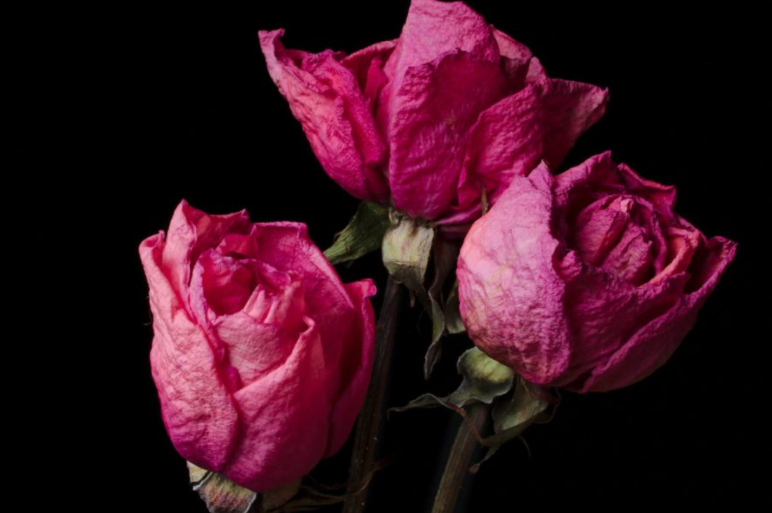
Photo by Michael Dziedzic on Unsplash

Considering we are all going to die one day, how surprising it is that we don’t talk about death at all.

When I say death, I don’t mean death as statistics like we are seeing on TV at the moment, or the death of a loved one.

I mean our own death.

If death is such an inevitability, why don’t we refer to it just like downsizing or moving to a retirement home?

Death is a phase of life just like birth is.

We make a lot of plans for the arrival of a new life but none whatsoever for the departure of another.

I am not going to the extent of buying a coffin next time it is on sale at Costco and keeping it in your living room as they used to in some cultures. That will be going too far and might attract the unwanted attention of the god of death (Yamraj), but I do believe that acceptance of death and talking about it now and then make us appreciate life better.

I know… I know… how insensitive of me to bring the subject of death when there are so many deaths around us. But that is the whole point.

None of us has come with the guarantee that they will live to the ripe old age? None of us were given assurance that our loved ones will be around forever?

Considering how profound its impact is, how tremendous the spiritual change it brings, how astonishing it is that death has not taken its place along with love, betrayal, and jealousy among the prime themes of literature.

Nonetheless, a few writers have tackled the subject and shared their insights.

Reflecting on the profound transformations he has witnessed in his work with thousands of dying people and their living loved ones, Frank Ostaseski, the writer of the book The Five Invitations — Discovering what death can teach us about living, writes:

Dying is inevitable and intimate.

I have seen ordinary people at the end of their lives develop profound insights and engage in a powerful process of transformation that helped them to emerge as someone larger, more expansive, and much more real than the small, separate selves they had previously taken themselves to be.

This is not a fairy-tale happy ending that contradicts the suffering that came before, but rather a transcendence of tragedy…. I have witnessed a heart-opening occurring in not only people near death but also their caregivers.

They found a depth of love within themselves that they didn’t know they had access to.

They discovered a profound trust in the universe and the reliable goodness of humanity that never abandoned them, regardless of the suffering they encountered.

If that possibility exists at the time of dying, it exists here and now.

- Frank Ostaseski, The Five Invitations

Rainer Maria Rilke, Bohemian-Austrian poet and novelist, one of only a few who understood it well. He wrote:

Death is our friend precisely because it brings us into absolute and passionate presence with all that is here, that is natural, that is love. —Rainer Maria Rilke, A Year with Rilke

Instead, we spend our lives shuddering at any reminder of our inevitable end, forgetting the miracle of having lived at all.

Nearly a century later, John Updike, an American novelist, and poet echoed this sentiment: “Each day, we wake slightly altered, and the person we were yesterday is dead. So why, one could say, be afraid of death, when death comes all the time?”

However poetic this notion might be, it remains one of the hardest for us to befriend and reconcile with our irrepressible impulse for aliveness. How, then, are those only just plunging into the lush river of life to confront the prospect of its flow’s cessation?

Michel de Montaigne, a French philosopher, a most significant one at the time of the French Renaissance, articulated the central paradox of death and the art of living in The Complete Essays: “To lament that we shall not be alive a hundred years hence, is the same folly as to be sorry we were not alive a hundred years ago.” Still, lament we do, and some of our greatest art gives voice to that lamentation.

That paradox is what Mark Strand explores with transcendent courage and curiosity in his poem “The End,” found in his Collected Poems.

THE END

Not every man knows what he shall sing at the end, Watching the pier as the ship sails away, or what it will seem like When he’s held by the sea’s roar, motionless, there at the end, Or what he shall hope for once it is clear that he’ll never go back.

When the time has passed to prune the rose or caress the cat, When the sunset torching the lawn and the full moon icing it down No longer appear, not every man knows what he’ll discover instead. When the weight of the past leans against nothing, and the sky

Is no more than remembered light, and the stories of cirrus And cumulus come to a close, and all the birds are suspended in flight, Not every man knows what is waiting for him, or what he shall sing When the ship he is on slips into darkness, there at the end.

- Mark Strand, Collected Poems.

No law says that we will not be able to live better lives by ignoring death. In fact, quite the opposite is true.

Our lifelong struggle to learn how to live is inseparable from two facts — our mortality and our dread of it.

Drawing on the ancient wisdom of Buddhism, Frank Ostaseski considers the inseparability of life and death:

In Japanese Zen, the term shoji translates as “birth-death.” There is no separation between life and death other than a small hyphen, a thin line that connects the two.

We cannot be truly alive without maintaining an awareness of death.

Death is not waiting for us at the end of a long road. Death is always with us, in the marrow of every passing moment.

She is the secret teacher hiding in plain sight. She helps us to discover what matters most. — Frank Ostaseski

Montaigne says it as below:

If you have lived a day, you have seen all: one day is equal and like to all other days.

There is no other light, no other shade; this very sun, this moon, these very stars, this very order and disposition of things, is the same your ancestors enjoyed, and that shall also entertain your posterity. — Montaigne

But it is Emily Levine, the comedian, and philosopher, who offers the most contemporary, brilliant, and funny acceptance of her own mortality and shows how to make the most of it.

PS: A heartfelt thanks to Maria Popova for her site BrainPickings which introduced me to the authors referred to in this article and is also the source of many quotes in this article. Maria, your site is inspirational and, at times, savior.

— — — — — — — — —

You can subscribe to my newsletter at A Whimsical Writer.

Self Improvement
Self
Personal Growth
Death
Death And Dying
Recommended from ReadMedium