
Calm Your Mind Within 15 Seconds With This Simple Technique
What if I told you you could calm your mind within seconds using a tool that is free, always available, and can be used indefinitely?
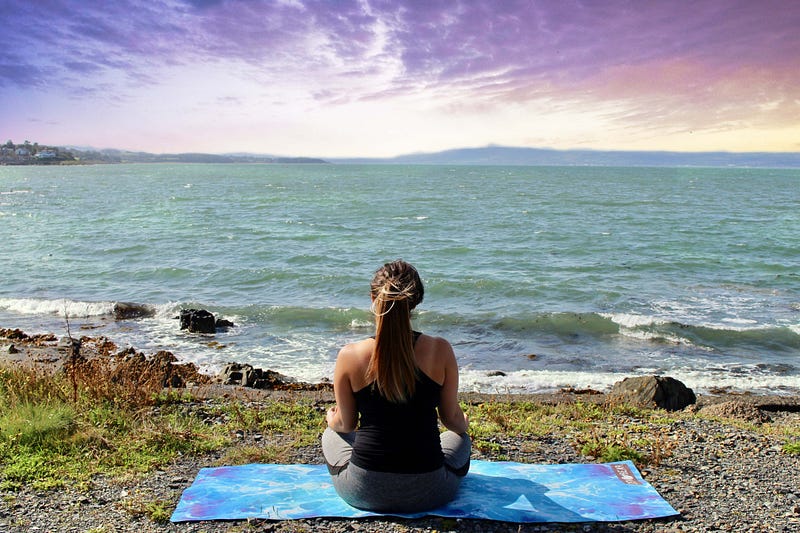
When we talk about relaxation, we usually refer to breathing deeply and consciously. Still, today I want to share a technique that is quite different yet very effective when it comes to calming the mind.
Breathing Techniques or the so-called Pranayamas have existed for hundreds of years. The ancient Yogis have learned about managing prana (=life-force) and have developed effective practices to boost our overall health and well-being.
You don’t need to be an expert to find this to be true. All you need to do is try it and see for yourself. It literally takes a few minutes, even seconds with some techniques, to see results. To see more profound results that will stick in the long run, I recommend doing a 21-day cycle. Consistent daily practice brings you benefits on a deeper level, and the stress levels go down dramatically.
There are many techniques to discover, so I find it’s good to explore and see what works best for you. What I love the most about breathwork is that it only takes a short amount of time, it’s always available, absolutely free, and it just works!
In today’s world, we are all super busy, and who has the time to stop and take a breath?
Well, this technique takes only a few seconds! YES, 15 seconds WILL do the trick — and you can do it anytime and anywhere. So I dare you to try it!
To get you started, let’s set some guidelines for proper breathing!
#1 When Inhaling, Keep Your Shoulders Down
That is the most common mistake I see — people lifting their shoulders as they breathe in. Trust me, that is only creating more tension and will not help you relax. Also, you are only using the upper part of your lungs, which doesn’t even come close to a full breath. The first step is being aware of your shoulders as you breathe in and consciously relaxing them. With time, this will become more natural, and your body will be thankful.
#2 Abdominal Breath
Instead of moving the chest and shoulders — move your belly instead. Observe puppies or babies as they breathe naturally. We all knew how to do this when we were born, yet with the stress of every-day responsibilities, we stay in fight-or-flight mode and breathe in a very shallow way. Practice breathing consciously as you lie in your bed by putting a hand on your belly and noticing your breath. As you inhale, the belly should expand outwards, and when you breathe out, it should go inwards. Using this simple hack will make a huge difference in your overall wellbeing, as you will release tension from the shoulders and relax on a deeper level.
#3 Full Inhale & Full Exhale
Often we don’t inhale fully, which means we don’t use our whole lung capacity. Let me paint you a picture to understand what I mean. Imagine filling up your car with only 1/3 of the tank and expecting it to run smoothly for miles. If you keep doing this, after a while, your car will suffer and break down. Treat your body with the same respect as you would your car. Top it up to the max as you breathe in and let it all out on the exhale. That way, you are cleansing your lungs properly, ensuring sufficient oxygen circulation in the body, and releasing carbon dioxide and any other toxins. This will also help expand your lung capacity and elasticity, allowing your body to take in more oxygen.
Now let’s get to the 15-second technique, shall we?
The technique is called the Breath of Fire (also called Bhastrika Pranayama), and instead of breathing slowly and consciously, we are breathing actively and rhythmically through both nostrils. This is why it only takes a short period of time to make a difference.
From my personal experience, it helps clear the mind very quickly, invites a sense of peace, and invigorates your whole body!
Benefits of the Practice
1. Detox
When you do this technique, you bring in a lot of oxygen quickly, which allows the cells to regenerate and at the same time release toxins.
2. Stress relief
It helps reduce anxiety and stress, even discomfort from the body. Often, stress gets “stuck” in some parts of the body, and unless we use the breath or some kind of exercise (best to use both!), it will create more problems in the long-run. I found that breathwork is quite efficient to help reduce those heavy feelings in the body caused by stress.
3. Concentration
Boosts your focus and concentration and enhances your brain capacity, such as memory, reaction time, and attention.
4. Mindfulness
As you become more aware of your breath, it becomes easier to live in the present moment and practice mindfulness.
5. Improve digestion
During the practice, you are moving the abdomen and massaging your organs in that area, which helps the blood circulation and increases their vitality. It is possible that this practice can help your digestive system, but more research is needed to support this.
6. Strengthens your core
You need to engage your abdominal muscles to do this practice, and as you do it rhythmically, your core muscles can become stronger with time.
7. Feeling blissful
This practice feels like someone just erased your worries and cares and left you on a pink cloud to chill. It’s basically a natural high if you ask me. After this practice, I notice that I feel lighter, as if a burden has been lifted, and most of my students have the same experience.
Additionally, a 2014 study on the effects of Pranayama found that the fast pranayama, like the Breath of Fire, has additional effects on auditory working memory functionality, central neural processing, and sensory-motor performance.
How to Practice the Breath of Fire?
Position
Make sure to do this in a safe space, where you will be undisturbed, with your eyes closed and in a seated position, as it can make you a little light-headed. The spine should be straight, and your hands gently resting in your lap.
Breathe
Inhale and exhale actively and quickly through both nostrils in a rhythmical way for 10–15 seconds. You can set a timer on your phone to help you monitor the time. Ensure you’re using the abdominal breath, keeping your shoulders and chest relaxed, and inhaling/exhaling fully.
Rest
Take some time after one cycle of 15 seconds to stabilize your breath, slow down your heart rate and sit in silence observing.
Repeat
You can repeat the cycle two more times or continue with deep breaths and meditation.
Advanced practitioners can extend the duration and pace of the practice, but please, always listen to your body, as it will tell you how long it feels good to do this technique and when to stop. It is recommended not to exceed over 200 repetitions.
Remember, this kind of breath-work is intense, so I recommend keeping it short and simple and extend over time.

When to do this practice?
This practice will energize you, so the best time would be in the morning or whenever you feel you need a little pick-me-up. Doing it in the evening might prevent you from falling asleep.
It is also good to do this technique whenever you feel your mind won’t stop, and you wish to boost your focus or if you need to release any stress safely. This makes it easier to relax and dive into meditation.
The effects of the practice you may experience are feeling lighter, calmer, and more energized—follow-up with deep conscious breathing and meditation.
Read these precautions before starting!
It is NOT recommended to do this practice if:
- You just ate (best to do this on an empty stomach or wait a few hours after the meal).
- You are pregnant.
- You have your period.
- You have respiratory problems.
- Have a heart condition or high blood pressure
- Have issues with your spine or any kind of disorders in that area
It is essential to listen to your body and make sure you feel comfortable doing this practice. Start slow and see how it feels. If it feels uncomfortable at any time, stop and breathe deeply.
A combination of the Breath of Fire and slow, conscious breathing is such a wonderful way to dive into your meditation practice and can really make it easier.
We all have 15 seconds in the day to try this. Give it a go and see what happens.