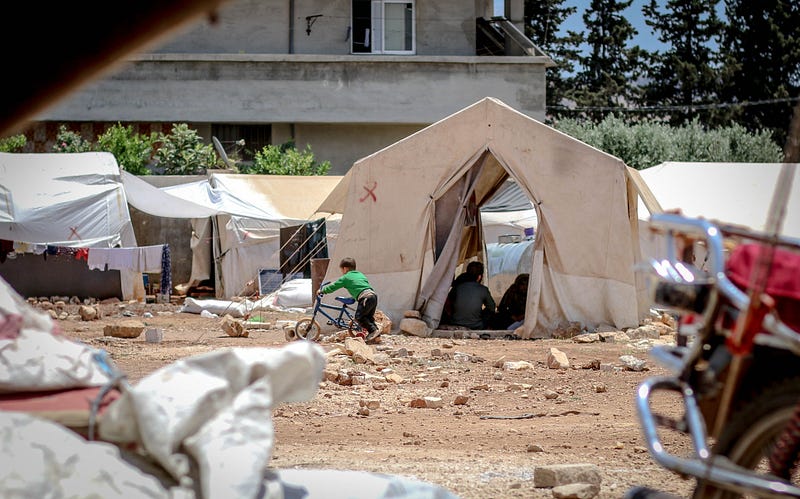
Summary
The web content titled "Calamitous" is a poignant reflection on the multifaceted impacts of poverty, emphasizing its detrimental effects on dignity, ambition, health, and the basic human rights to food, clothing, and shelter.
Abstract
"Calamitous" is a thought-provoking piece that delves into the harsh realities of poverty. It describes how poverty not only deprives individuals of material necessities but also erodes their sense of self-worth, ambition, and mental well-being. The poem illustrates the vicious cycle of poverty, where the lack of basic needs like shelter and healthcare perpetuates a life of hardship and indignity. It underscores the universal desire for a life free from poverty and the fundamental human right to live with dignity, including access to essentials like food, clothing, and shelter. The author, Fatima Imam, concludes with a powerful assertion that every person deserves to live a life of full dignity, free from the clutches of poverty.
Opinions
- Poverty is portrayed as a force that strips individuals of their dignity and self-esteem.
- The poem suggests that poverty is not a choice but a condition that warrants empathy and action.
- It conveys the idea that everyone aspires to a life free from the uncertainties and indignities associated with poverty.
- The author believes that access to basic human needs is a right that should be afforded to all individuals.
- The piece criticizes societal structures that allow poverty to perpetuate mental health issues, lack of shelter, and vulnerability to diseases.
- It emphasizes that no one deserves to live in conditions where they are forced to beg for food or live without the certainty of their basic needs being met.