
Caffeine — how much is too much? | Caffeine’s affects on our brain, heart, kidneys and sleep | Best advices.
How was Caffeine discovered:
German Scientist, Friedrich Ferdinand Runge is credited to be the first for extracting Caffeine from cocoa beans, that were a gift from the writer Johann Wolfgang von Goethe, in the 1820s.
Myths of origin of coffee:

What is caffeine?
Caffeine is a plant product that is most commonly found in coffee beans, tea, energy drinks, soft drinks, cocoa and chocolate. Caffeine is also found in some prescription and non-prescription drugs, including cold and allergy medications and pain relievers.
How does caffeine affect our brain, heart, kidneys and sleep cycle?
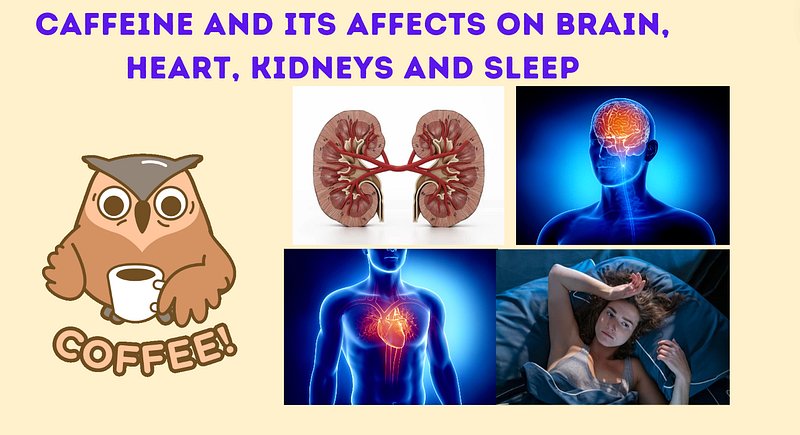
Caffeine is a stimulant that affects different parts of the body:
- Brain: Caffeine blocks the effects of adenosine, a neurotransmitter that promotes sleep, and increases the release of other neurotransmitters such as dopamine and norepinephrine, which can improve mood and cognitive performance in short term.
- Heart: Caffeine can increase heart rate and raise blood pressure temporarily. This can also be harmful for those with heart problems or high blood pressure.
- Kidneys: Caffeine can increase urine production and can have a diuretic effect, which can lead to dehydration if excessive amounts are consumed.
- Sleep cycle: Caffeine can interfere with the sleep cycle by disrupting the natural rhythm of the body’s internal clock and by blocking the effects of adenosine, making it more difficult to fall asleep. Chronic consumption of caffeine can also lead to insomnia, sleep disturbances, and a reduced quality of sleep.
Caffeine: How much is too much?
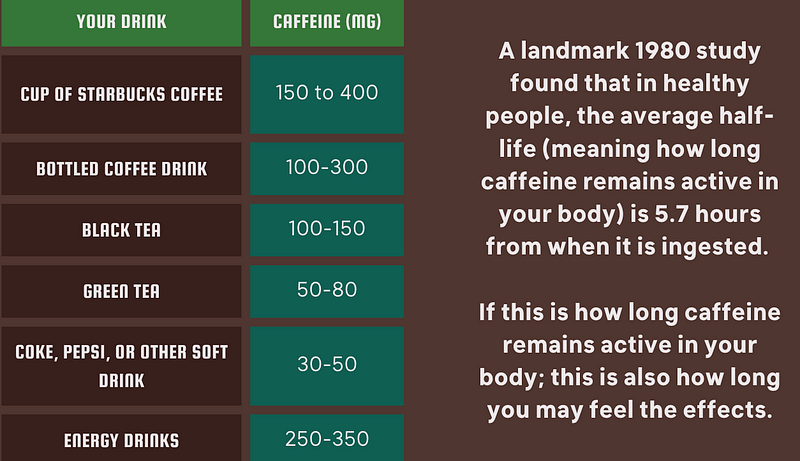
People with a normal sensitivity to caffeine can consume up to 400 mgs daily (3–4 cups of coffee).
It is not recommended to consume more than 600 mgs of caffeine in a day.
Why do people crave for caffeine? Know your reason to reduce dependence.
- Dependence: Over time, repeated use of caffeine can lead to physical and psychological dependence, which can result in withdrawal symptoms such as headaches, fatigue, and irritability when caffeine is not consumed.
- Stimulation: Caffeine is a stimulant that can increase alertness, mental focus, and physical energy in short term, which can be appealing for people who are feeling tired or sluggish.
- Habit: Regular consumption of caffeine can become a habit, and people may associate certain activities, such as drinking coffee in the morning, with the effects of caffeine.
- Taste: For many people, the taste of caffeine-containing beverages, such as coffee or tea, can be enjoyable and provide a sense of comfort and enjoyment.
- Social factors: Caffeine is often consumed in social settings, and the social aspect of consuming caffeine can also drive people to continue using it.
What times are better for consuming caffeine to minimize impact to our body ?
- Avoid caffeine consumption 4–6 hours before bedtime to minimize interference with sleep.
- Consume caffeine earlier in the day, as the effects can last for several hours.
- Limit caffeine intake to one or two servings per day to avoid overconsumption and its negative effects.
Trying to reducing your caffeine intake? Try these alternatives:
- Decaf Coffee and Decaf or Caffeine-Free Tea — The average decaf coffee contains 2 to 5 mg of caffeine per 8-ounce (240-ml) serving, compared to 95 mg in a serving of regular coffee. However, some decaf coffee can contain higher amounts of caffeine, especially if the coffee beans were not fully decaffeinated.
- Kombucha (a type of fermented tea) — On average, kombucha contains about 10 to 30 mg of caffeine per 8-ounce (240-ml) serving and is considered a healthier choice.
- Herbal Coffee Substitutes — Made from natural ingredients, an herbal coffee substitute may be the perfect warm and flavorful replacement for your daily coffee.
- Golden Milk Latte — Adding turmeric, cardamom, vanilla into milk, it can be easily made into a latte with great taste.
If you feel like your caffeine consumption is impacting your health or well-being, it’s important to speak with a healthcare professional for advice.
Why should children and adolescents avoid caffeine?
Children and adolescents should avoid or limit caffeine consumption because:
- Their bodies are still developing and can be more sensitive to the effects of caffeine.
- Caffeine can interfere with healthy sleep patterns, which are crucial for growth and development.
- Caffeine can increase heart rate and cause anxiety in some children and adolescents.
- High caffeine intake can lead to nutrient deficiencies, as caffeine can interfere with the absorption of essential vitamins and minerals.
- Caffeine can be addictive and lead to a dependence on stimulants.
- Caffeine can cause dehydration, which can be especially harmful for growing bodies.
Few side effects of drinking caffeine to watch out for are:
- Nervousness
- Rapid heartbeat
- Stomach upset
- Headaches
- Dehydration
- Addiction
- Increased anxiety
- Decreased fertility
- Interaction with medications.
What is the best advices to caffeine drinkers?
- Monitor your intake: Keep track of your daily caffeine consumption to avoid overconsumption and its negative effects.
- Balance caffeine with hydration: Drink plenty of water to help offset the dehydrating effects of caffeine.
- Avoid consuming caffeine late in the day: To minimize the impact on sleep, avoid consuming caffeine 4–6 hours before bedtime.
- Choose natural sources: Prefer natural sources to get better long lasting energy. Or try decaf coffee or tea, rather than energy drinks or supplements that may contain added ingredients.
- Listen to your body: Pay attention to how your body reacts to caffeine and adjust your consumption accordingly.
Note: My intent with my writings is to create health awareness. Please always consult a medical professional before consuming anything. Thank you for reading.


