
Superintelligent AIs: The Future is Closer Than We Think
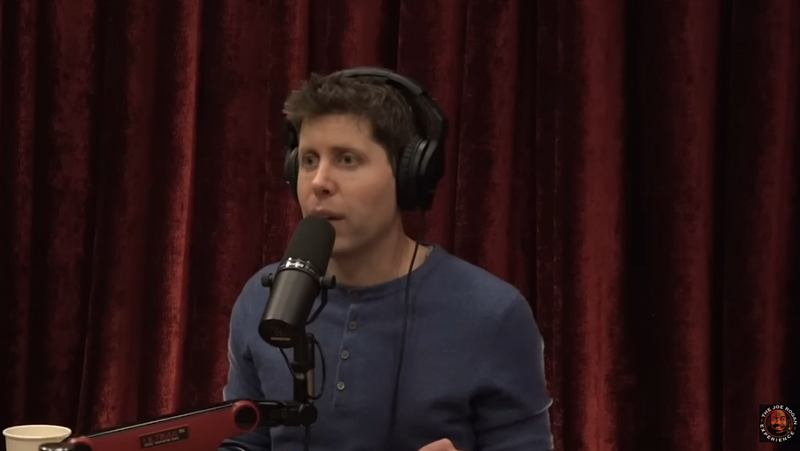
In a recent conversation with Joe Rogan, Sam Altman, the CEO of OpenAI, shed light on the fascinating world of AI and the potential arrival of Superintelligent AIs. This discussion unveiled the timeline and ambitions of OpenAI, providing us with intriguing insights into the future of AI development.
Table of Contents
- A Glimpse into the Future
- The Quest for Superintelligence
- The Race Against Time
- Our Final Invention
A Glimpse into the Future
Joe Rogan, a renowned podcast host known for delving into a wide array of topics, asked Sam Altman about the initial timeline envisioned when founding OpenAI and whether it has stayed on track. Sam Altman’s response was both insightful and thought-provoking.
“AGI isn’t the end point. To accomplish [ASI — Artificial Superintelligence], that’ll take us until 2030 or 2031. That has felt to me, all the way through, kind of a reasonable estimate with huge error bars. I think we’re on the trajectory I would have assumed.” — Sam Altman
These words from Altman reveal a remarkable ambition — to achieve Artificial Superintelligence (ASI) by 2030 or 2031. This timeline, with its inherent uncertainties, presents a thrilling perspective on the progress of AI technology.
The Quest for Superintelligence
What is ASI, and why does it matter? ASI represents the pinnacle of artificial intelligence, where machines possess cognitive abilities that far surpass human capabilities in every domain, from scientific endeavors to artistic creativity.
OpenAI’s dedication to achieving ASI is evident in the formation of their “AI Notkilleveryoneism” team, tasked with solving the critical issue of alignment. Remarkably, this team has set a deadline of just around 3.5 years to address alignment challenges — a testament to OpenAI’s sense of urgency.
The Race Against Time
It’s important to note that OpenAI’s CEO, Sam Altman, acknowledges the possibility that Superintelligent AIs could emerge even sooner than their projected timeline. This acknowledgment highlights the dynamic nature of AI development, where breakthroughs can occur unexpectedly.
In the world of AI, a breakthrough can be likened to the arrival of an alien species on Earth, as it would signify a moment when machines surpass humans in virtually every skill imaginable, ranging from scientific discoveries to artistic creations.
Our Final Invention
As we peer into the future, the concept of ASI becomes increasingly captivating. It represents the culmination of human ingenuity and technological advancement. While it holds the promise of solving complex problems and unlocking new frontiers of knowledge, it also raises important questions about the ethical and societal implications of Superintelligent AIs.
In conclusion, the conversation between Sam Altman and Joe Rogan provides a glimpse into the ambitious world of OpenAI and their pursuit of Artificial Superintelligence.
With a projected timeline of 2030 or 2031, the race to create superintelligent AIs is on, and the implications for humanity are profound.
The future of AI promises to be both exhilarating and thought-provoking, as we stand on the precipice of our final invention.