
By the Grace of God: Chapter 2
All any of us wanted to do was make a difference
I turned into the office and grabbed my pen and notebook as I pulled my feet under me on the couch. The green glowing orb shimmered and hung in the middle of the room, the soldier visible within it now. I got myself comfortable. The orb faded from around the veteran and he sat in the chair across from me.
That’s better. Nice to meet you, Lieutenant.
He smiled a greeting. A raised eyebrow, and a nod told me I guessed his rank correctly. The Lieutenant was a good-looking young man, a cross between Cary Grant and Ben Affleck, with black hair, blue eyes and a deep, sexy cleft in his chin. One leg crossed over the other, one hand on his ankle, the Lieutenant looked ready for us to get started.
Good evening, Ma’am. I’m Lieutenant Jeremy Walters, from the US Marine Corps. Signed up in sixty-six and headed over to ‘Nam. I served four tours of duty, spending almost five years in country, and witnessed an awful lot of shit go down.
The Lieutenant pursed his lips as he considered what to say next. I watched his face, saw his eyes narrow, picked up the bitter resignation at the edge of his voice.
No one wanted to believe the shit that happened in Vietnam, no matter how convincing the stories were. They didn’t want to listen to the truth. The media was very convincing. It was easier to believe the media than those who served.
I knew what he meant. It was a sentiment shared by other Vietnam War veterans I spoke with.
Thanks for stopping by Lieutenant Walters. That was a fancy-dancy way you came in tonight. I liked it.
Thanks, and call me Loo, everyone did over there. Even after my promotions. I finished my career as a Colonel, and they still called me Loo. Ha, I didn’t complain, though, I liked it. It meant that what I accomplished when I wore that rank made a difference, that what I did in Vietnam mattered. That was all I ever wanted.
You all mattered, Loo. Everyone who served in Vietnam did, most of you just never realized it. I understand it, have always understood it. He nodded. Those who served in Vietnam did not encounter many who understood their experiences from that war. You left the Marines as a Colonel, so you stayed on after you got home from ‘Nam? When did you retire?
The Lieutenant smiled as he ran his fingers over the rank insignia on his collar. There was a sense of pride in him, in what he accomplished as a Marine, and his desire to share it all with me. Below the surface of that pride was a reluctance to bring less favourable memories to our meeting. He wanted to protect his privacy, that of those he served with, but he also felt a desire to protect me from the dark side of the Vietnam War.
My career in the Marines began at eighteen as a Private First Class and ended with my retiring as a Colonel thirty years later. I never intended on becoming a lifer, but I fell in love with the Marines and dedicated my life to them halfway through my first tour. My grandfather, a lifer in the Navy who served in World War One, filled with pride when I wrote to tell him the news. He liked me carrying the tradition of serving in the military forward. My father served in the Second World War, but wasn’t a lifer like Grandpa and I.
The Lieutenant reminded me of guys I grew up with, young, idealistic and gung-ho. He was presenting himself as he was in Vietnam, a time he considered the pinnacle of his military career. Those in spirit can present themselves as the living would recognize them or as they wanted others to remember them.
He sat straight, head held high and pride in his eyes. His dedication and service to his beloved Marines shone bright in his eyes and I wondered how long it took for him to become jaded about his service in Vietnam.
I wonder what he looked like when he retired?
Loo looked at his hands, flexing his fingers, mesmerized by the movement. As I watched, he transformed from the young, carefree Lieutenant he was in Vietnam into the older, distinguished Colonel who retired from the Marines. A good-looking, idealistic young Marine, the Lieutenant grew into a sexy, formidable Colonel with the muscular build of his youth. Grey at his temples and twinkle of delight in his eyes unable to mask the horrors he witnessed in his life. He sent me a cheeky wink, and then Colonel Walters became Lieutenant Walters once more.
You wondered how I looked when I retired, didn’t you? He was cheeky in his comment. I wasn’t much different from my younger self, just more wrinkles and grey hair. I prefer myself like this, though. My youth was spent in a war zone, but I never considered it a wasted youth. I never regretted my time in Vietnam. There were some good memories hidden amongst the bad. Valued friendships, a career I loved and experience to carry me through a distinguished thirty year military career. The media beat any positive influence our service in Vietnam may have had on our lives out of the veterans when they got home. The government made sure of that.
I looked at the man, not the uniform, which was when I recognized the savagery and cruelty he’d lived through in Vietnam. I couldn’t even imagine how difficult it had been for him. He fought, and trained others to fight, so future parents would not have to watch their children raise a gun in anger. This understanding gave me pause as I thought about my young teens who were not much younger than most of the boys Loo commanded in Vietnam.
Loo, can I ask you something? I have had something on my mind. You don’t have to answer if you don’t want to, I just have to ask it.
Sarah, you can ask me anything. What’s worrying you? The Lieutenant looked concerned. I haven’t upset you, have I? His concern was comforting. The innate leadership skills he possessed shone bright.
His leadership was the envy of lesser commanding officers who spent entire careers trying to live up to his example.
First off, thank you for your service. Even now, you are displaying a sense of obligation and responsibility for those boys you commanded, showing me the CO you were. They were lucky to have officers like you and Captain Reynolds in the Marines during that time. Your men were lucky to have you taking care of them.
Thank you, Sarah. I didn’t get a lot of thanks for what I did in Vietnam. It was a brutal war, but not as brutal as coming home was. I was lucky. I stayed in the Corps as a career Marine, which isolated me from the cruelties of the so-called welcome home parties the veterans faced when they returned stateside. The public and the media ignored those Vietnam veterans who were career military. They condemned us for our tours in Vietnam and treated us like war criminals. All we did was follow orders.
I know, I heard some about those welcome home parties from Captain Reynolds, did you know him? He seemed like a stand-up guy.
Yes, I knew Chuck. He was one of the good guys, but he hid his white hat a lot. He tried to downplay his heroics in Vietnam, telling people he wasn’t that special, but he was. Ask any of his guys, especially the ones that made it home because of him. They’ll tell you how special he was.
Last time I saw Chuck in country was the day we liberated Farnsworth, the prisoner of war (POW) camp he was in. He and his men were missing in action (MIA) for over a year at that point.
Chuck and his guys were legends. The gooks talked about the difficult Captain they captured and kept at Farnsworth. We figured it was Chuck, he could be a real pain in the behind when necessary. Rumour was their unit was in Farnsworth.
We liberated the camps on the regular, there was always a good chance the rumours were correct. The day we rescued Chuck was the fifth or sixth time we’d been to Farnsworth. Goodness knows we did it at least five or six more times over the years.
Every time we took our boys home from a POW camp, those damn gooks took more and filled them up again. They were like one of those trick drinking cups, where you drank it down and it appears to fill itself back up.
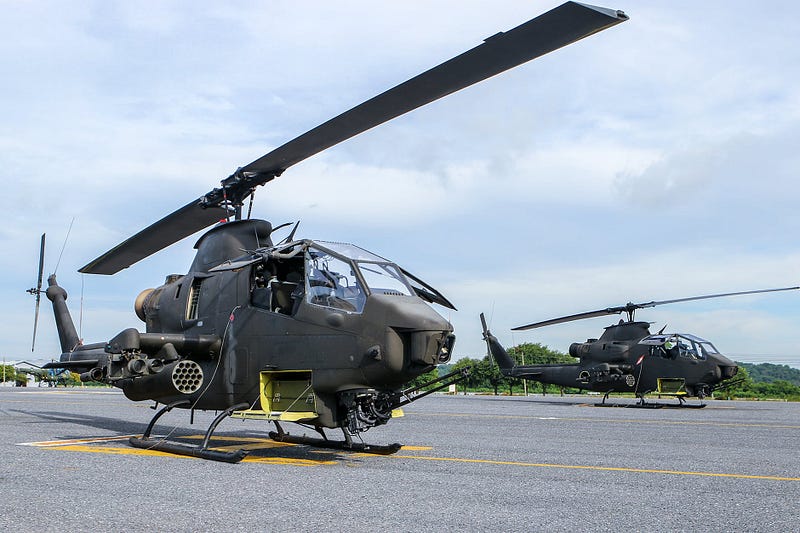
I remember flying those birds over the camp and seeing our boys in those cages. That got no easier. I liberated many POW camps by then and it always broke my heart to see American soldiers treated worse than dogs. Never got used to that.
Lieutenant Walters’ memories took him back to Farnsworth, where he saw those cages housing his fellow military men anew. His eyes, unfocused and haunted, stared at the floor. I teared up as I watched him experience the same internal struggles all the veterans endured as they faced long-buried demons.
Captain Reynolds was whooping and hollering like a madman when our boots hit the ground in Farnsworth, but he helped to get those guys out. He got them all riled up and ready to board the birds. Reynolds rallied the troops like no one else could have, even the non-Americans followed his lead. The first thing I heard when the choppers landed was him yelling at the boys.
“Come on, boys! They’re here! I told you they’d come get us! Let’s go! Grab the guy next to you and help him if he needs it. No man left behind, remember? It’s time we left this hellhole and headed home.”
Reynolds was a powerhouse. He kept repeating some rendition of those words as we grabbed the boys and loaded them up into the choppers. He was malnourished, having suffered at the hands of those gooks. It didn’t stop him, though. Reynolds was a true hero. He made it his mission to get every man in that camp onto those choppers.
We flew off with 25 POWs in the bellies of our birds, Americans with one or two South Vietnamese and a few Brits thrown in for good measure. That was down to Reynolds, who got half of them onto the choppers himself. Reynolds was a dynamo, only stopping once as we loaded up the prisoners.
He stood with his head bowed at the centre square, the area in the middle of the bamboo cages. He looked at the body lying there with tears in his eyes. Reynolds threw his head back and grabbed the dog tags from around the dead soldier’s neck, moving on to get more POWs into the birds.
Once we were off the ground, Captain Reynolds looked down at the centre square again, the dog tags still clutched in his bloody fingers. With tears in his eyes, he saluted the soldier whose body laid in the square, beaten and bloody beyond all recognition. The other rescued soldiers in the chopper looked down and saluted along with him. I checked on the other choppers and saw the rest of POWs looking down at Farnsworth as we flew off, also saluting.
Reynolds looked at the others in the chopper with him.
“I will find them, boys, one day soon. They’ll know. I promise you all that… and you, too, Wellesley. I promise you they’ll know.”
His words and behaviour confused me.
“Who will know what, Captain?”
Sadness spread across Reynolds’ face, a look reflected to him in the face of every emaciated soldier in the chopper’s cabin.
“Private First Class Wellesley, Lieutenant. He was one helluva Marine. That’s him down in the centre of the cages. They beat and tortured him to death at sunrise this morning. With so much to live for, he told us what he couldn’t tell his family as he took his final breaths. I swore that I will do whatever I can to pass his deathbed messages on to his family, and I will do just that. He deserves that I at least try. He deserves that effort from us all.”
“Captain, why did you leave him there? We could have brought him home.”
Captain Reynolds struggled to keep his emotions in check.
“Lieutenant, he asked us to leave him here. Said he didn’t want his Mama to see him like that. Told us he didn’t want to go home, he wanted to haunt the gooks forever. Love and respect a Marine for that.”
Reynolds looked into my eyes, regret and grief shining out at me. Tears welled up as he choked out one last comment before staring out at the jungle below.
“After the abuse and horror he’d endured, how could I go against his final wishes?”
There wasn’t a dry eye in the chopper when Reynolds finished telling us about Wellesley. Each of us knew that it was by the grace of God that we escaped the same fate as PFC Wellesley. His suffering was not over. Goodness only knew what those damn gooks would do to his body when they found the prisoners gone. A cruel reputation was why we feared the Vietnamese most.
“Godspeed, PFC Wellesley.” It was my turn to salute the Marine we were leaving behind. “I hope you find peace now that you have escaped Farnsworth and this goddamn war.”
I knew I would do what I could to help Reynolds find Wellesley’s family. Reynolds was right, he deserved that effort from all of us. As soon as we landed at Command and all the POWs were in the hospital getting checked out, I took the dog tags from Reynolds. With a promise to return them as soon as I could, I requested PFC Wellesley’s records from the MIA files. I got all the information I needed before heading to see how the recovered soldiers were doing. With the folder in hand, I pressed the now-clean dog tags back into Reynolds’ hand.
“Captain Reynolds, I gathered the information needed to send a letter to PFC Wellesley’s family. Would you like to do the honours?”
His fingers closed around the small metal plates. He took a deep steadying breath, contemplating the question.
“Lieutenant, I will take that information, but I think I need to talk to the higher-highers. I would like to deliver the news of PFC Wellesley’s death in person, not in a letter. They need to hear the whole story, not read a bunch of trite, somewhat comforting, words in a letter.”
“Ahem! I think you’re right, Captain. We’ll send you home and, after a nice reunion with your family, you can go see PFC Wellesley’s family and speak with them. They will find closure, even without a body to bury.”
Brigadier-General Waters stood beside Captain Reynolds’ bed, a sombre look on his face. “I knew you had it in you to be a great leader. You have proven me right, yet again, Chuck.”
You know, after Brigadier-General Waters told Reynolds he was all for him meeting Wellesley’s family in person, Reynolds’ health improved at a rapid rate. It thrilled the other rescued soldiers that Tinny, as they called Captain Reynolds, would deliver Wellesley’s final words to his family.
Captain Reynolds’ relayed the story of his welcome home in 1971 to me just that morning. I could still hear the hurt in his voice, see the disbelief in his eyes as he described the protesters and their treatment of the returning soldiers. A thoughtful tilt to my head and I got right tot he point.
Veterans discharged after their tours dealt with negative attitudes and abuse from protesters, the media and their fellow Americans, but you stayed in the Marines for two more decades.
I paused there, thinking about how best to phrase the question in my mind.
Continue reading with By the Grace of God: Chapter 3 here:
To read from the beginning, check out By the Grace of God: Chapter 1 here: